Tokugawa Art Museum
By Andrew Liyan · Last updated: September 1, 2026 · Facts verified: September 1, 2026

- Area
- Tokugawa / Eastern Nagoya
- Best For
- History, Art, Photography
Visiting Tokugawa Art Museum
The Tokugawa Art Museum sits in Higashi Ward in eastern Nagoya, Aichi Prefecture, and holds the Owari Tokugawa family's own hereditary collection of art and heirlooms rather than a general-purpose art collection assembled from outside sources. The Owari Tokugawa were the senior cadet branch of the Tokugawa clan, descending from Tokugawa Ieyasu's ninth son, Tokugawa Yoshinao, and ruled Owari Domain from Nagoya Castle for over two centuries. In 1931, Tokugawa Yoshichika, the 19th head of the family, founded the Tokugawa Reimeikai Foundation specifically to preserve the family's art and possessions, and the museum opened its doors in 1935, making the collection a direct, unbroken link to the family that once governed the region from the castle across town.
The question most worth answering honestly up front is whether the museum's single most famous holding, the National Treasure Tale of Genji Illustrated Handscrolls (Genji Monogatari Emaki), is actually on view. It is not, for most of the year. The original scroll, the oldest surviving illustrated narrative scroll in Japan and dated to the 1120s or 1130s, is fragile enough that the museum displays it publicly only for a brief window each November, historically around one to two weeks, showing just a couple of the roughly sixteen surviving sections it holds (a further four sections belong to Tokyo's Gotoh Museum). Exact dates and which scenes are shown change from year to year, so travelers hoping to see the original should check the museum's current exhibition schedule rather than assume it will be on display on any given visit. Outside that window, the museum's other National Treasures and Important Cultural Properties remain on view.
Beyond the Genji scrolls, the permanent collection centers on samurai armor and swords passed down through the Owari Tokugawa line, Noh masks and costumes used in performances the family sponsored, tea ceremony utensils, lacquerware, calligraphy and paintings, and furnishings from the family's daimyo-era residence. The museum describes its holdings as including multiple National Treasures alongside a larger body of Important Cultural Properties, a scale of family-held heritage that few private collections in Japan can match. Admission also covers the adjacent Hosa Library, an archive of roughly 110,000 items documenting the Owari Tokugawa family's own history.
It is worth being clear about what this museum is not: it is not the same attraction as Tokugawa Garden (Tokugawaen), the separately operated, separately ticketed Japanese landscape garden immediately next door. The garden is its own outdoor experience, with ponds, bridges, a teahouse, and seasonal plantings, and this museum's admission does not include it. No confirmed combined ticket currently links the two, so travelers who want to see both should plan to purchase admission to each separately rather than assume one ticket covers both.
Whether a visit is worth it depends on genuine interest rather than novelty appeal. Travelers with a real interest in samurai-era history, Japanese art, or the Tokugawa and Owari family story, especially those already planning to visit Nagoya Castle, get the most out of the roughly 60 to 90 minute visit the museum's compact, single-building footprint typically takes. Travelers looking for a quick, highly visual stop with no particular history interest may find the admission fee, comparatively high for the museum's modest size, harder to justify outside the November Genji-display window, when the added significance of seeing the original scroll tips the balance for many visitors.
General admission is ¥2,000 for adults and ¥1,200 for high school and university students, with free entry for elementary and middle school age visitors. The museum is open 10:00 AM to 5:00 PM, with last admission at 4:30 PM, and closes on Mondays (or the following weekday when Monday is a public holiday), plus an extended closure around the year-end and New Year period each year. The museum also hosts rotating special exhibitions alongside its permanent collection throughout the year, so the specific themed exhibition on display during any single visit should be checked directly with the museum rather than assumed from an earlier trip.
The museum sits about a 10-minute walk from Ozone Station, reached by the JR Chuo Line, the Meijo Subway Line, or the Meitetsu Seto Line, and photography is generally understood not to be permitted for the collection, so checking current signage on arrival is worth the moment it takes. For travelers building a Nagoya day around the city's Tokugawa and Owari heritage, this museum pairs naturally with Nagoya Castle, the family's former seat of power, though the roughly 2-mile distance between them means the pairing works as a same-day trip by bus or subway rather than a walkable combination.
Things to Do at Tokugawa Art Museum
Check Whether the Original Genji Scroll Is on Display
The National Treasure Tale of Genji Illustrated Handscrolls, Japan's oldest surviving illustrated narrative scroll, is shown publicly only for a brief window each November, typically around one to two weeks. The rest of the year, the museum's other National Treasures and Important Cultural Properties remain on view instead.
See Owari Tokugawa Samurai Armor and Swords
The permanent collection's core is samurai armor and swords passed down through the Owari Tokugawa family line for generations, alongside related military and ceremonial regalia.
View Noh Masks and Costumes
The museum displays Noh masks and costumes connected to performances the Owari Tokugawa family sponsored, a window into the family's cultural patronage beyond its military history.
Study the Tea Ceremony Utensils and Lacquerware
A collection of tea ceremony utensils, lacquerware, calligraphy, and paintings reflects the more refined, domestic side of Owari Tokugawa daily life alongside the militaria.
Walk Through Reconstructed Daimyo Residence Rooms
Furnishings and room reconstructions drawn from the family's daimyo-era residence give a sense of how the Owari Tokugawa actually lived, beyond the museum's display cases.
Visit the Adjoining Hosa Library
Museum admission includes the adjacent Hosa Library, an archive of roughly 110,000 items documenting the Owari Tokugawa family's own history, for visitors who want to go deeper than the main collection.
How to Get to Tokugawa Art Museum
The Tokugawa Art Museum sits in Higashi Ward, eastern Nagoya, reached most directly from Ozone Station.
From Nagoya Station
Take the JR Chuo Line directly to Ozone Station, a ride of about 20 minutes, then walk roughly 10 minutes to the museum. The Meijo Subway Line and Meitetsu Seto Line also serve Ozone Station.
Combining with Nagoya Castle
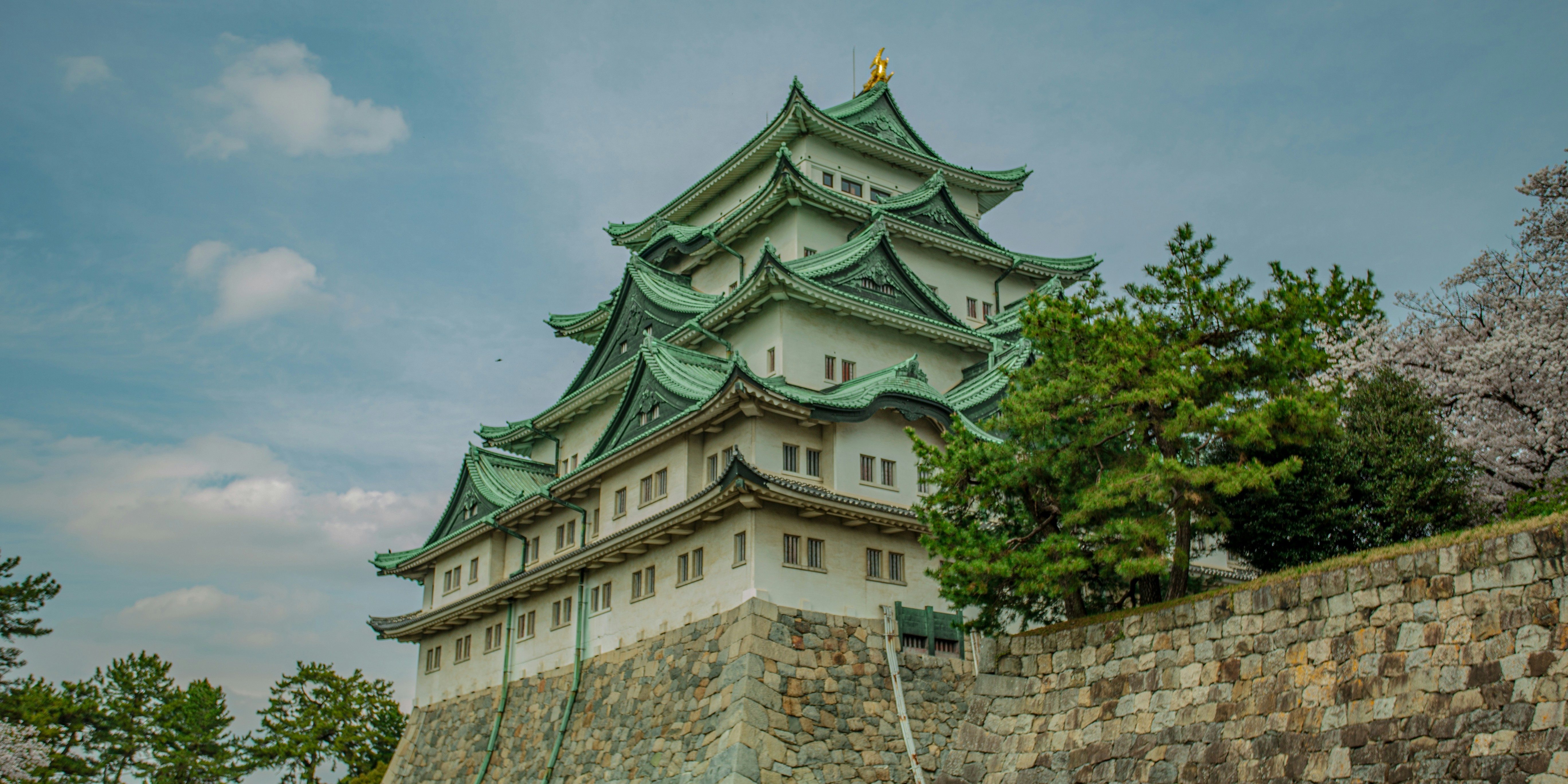
Nagoya Castle sits roughly 2 miles away, not within walking distance, but the two are easy to combine as a same-day pairing tied together by shared Owari Tokugawa family history. The Meguru sightseeing loop bus runs between Nagoya Castle and the museum area roughly every 30 minutes, a ride of about 15 to 16 minutes, or the subway route via Ozone and Shiyakusho Stations takes roughly 38 minutes with a transfer.
Best Time of Day to Visit
Weekday mornings offer the quietest galleries. Travelers specifically hoping to see the original Genji scroll should target the museum's brief annual November display window and confirm the current year's exact dates on the official site before visiting.
Best Time to Visit Tokugawa Art Museum
Weekday mornings for a quiet visit; mid-to-late November if timing a trip around the museum's brief annual display of the original Tale of Genji scroll.
The museum displays the original National Treasure Tale of Genji scroll for a brief annual window, historically around one to two weeks. Exact dates vary by year, so check the museum's current schedule before planning a visit around it.
Entry Fee & Hours
| Category | Price (JPY) | Approx. (USD) |
|---|---|---|
| Adult | ¥2,000 | ~$14 |
| High school / university student | ¥1,200 | ~$8 |
| Elementary / middle school age | Free | Free |
- •Admission includes the adjacent Hosa Library, an archive of roughly 110,000 items documenting the Owari Tokugawa family's history.
- •The original Tale of Genji Illustrated Handscrolls (Genji Monogatari Emaki) are displayed publicly only for a brief window each November, historically around one to two weeks. Exact dates and which scenes are shown change annually; check the museum's current exhibition schedule before planning a visit specifically around the scroll.
- •In addition to closing Mondays (or the following weekday when Monday is a public holiday), the museum closes for an extended period around the year-end and New Year holidays each year; confirm the current calendar before a late-December or early-January visit.
- •Photography is generally understood not to be permitted for the collection; check current signage on arrival.
- •Accessible facilities, including an accessible restroom and a nursing room, are available; contact the museum directly in advance for specific mobility needs.
Nearby Attractions
Combine with Tokugawa Art Museum on the same day

Tokugawa Garden
Nagoya Castle

Higashiyama Zoo and Botanical Gardens

Nagoya City Art Museum
Frequently Asked Questions
Planning Your Nagoya Trip?
See the full Nagoya destination guide or browse Japan itineraries that include this city.
See all Museums across Japan →