Osu Kannon
By Andrew Liyan · Last updated: September 1, 2026 · Facts verified: September 1, 2026

- Area
- Osu / Kanayama
- Best For
- History, Culture, Photography, Flea Market Shoppers
Visiting Osu Kannon
Osu Kannon is a Buddhist temple in the Osu district of Naka-ku, Nagoya, and it is worth treating as its own destination rather than a landmark you pass on the way into the shops around it. Osu Shopping District, the roughly 1,200-shop covered arcade neighborhood that grew up around the temple's approach roads, is a separate visit decision: the shopping district owns the food stalls, vintage clothing, electronics, and anime shops that fill the surrounding streets, while Osu Kannon itself owns the worship hall, the Niomon Gate, and a temple history that predates the arcades by centuries.
The distinction matters because most visitors arrive already knowing Osu as a shopping destination and only encounter the temple as an incidental stop along Nio-mon Dori. Budgeting even 15 to 30 minutes specifically for Osu Kannon, rather than treating it as scenery on the way to the next shop, is the difference between glancing at the gate and actually understanding what the Three Kannon Temples designation, the Shinpukuji Library, and the temple's repeated rebuilding actually mean. Both experiences are free, both sit on the same ground, and both are worth doing on the same day, but they are not the same visit.
The temple's history begins in 1333, when it was founded in Osu-go, a village in Nagaoka in what was then Owari Province and is now Hashima, Gifu Prefecture, with the sponsorship of Emperor Go-Daigo. Its principal Kannon statue, depicting the Buddhist bodhisattva of mercy, is traditionally attributed to the 9th-century monk Kobo Daishi and was originally installed at Shitennoji Temple in Osaka before making its way to the newly founded temple.
In 1612, Tokugawa Ieyasu ordered the temple moved to its present Nagoya site, partly to escape recurring flooding at its original location, as part of the broader construction of Nagoya Castle and the castle town growing up around it. That relocation put the temple at the heart of what would become one of Nagoya's busiest commercial districts centuries later, though the temple itself has never functioned as a shopping street; it has always been a working place of worship first.
Osu Kannon has been destroyed and rebuilt twice since that relocation. A fire on March 21, 1892 destroyed the Main Hall, a five-story pagoda that was never rebuilt, and the Niomon Gate, which was later reconstructed. The temple burned again during the Nagoya air raid of March 19, 1945, and after temporary structures went up in 1949, a full reconstruction was completed in 1970. The temple standing today is that 1970 rebuild, worth knowing for visitors who expect a centuries-old physical structure rather than a centuries-old institution housed in a newer building.
Osu Kannon is counted among Japan's Three Kannon Temples, alongside Senso-ji (Asakusa Kannon) in Tokyo and Tsu Kannon in Mie Prefecture, a status that gives it a genuine place in the country's Buddhist temple circuit beyond its role as a neighborhood landmark. Formally named Kitanosan Shinpuku-ji Hoshoin, it belongs to the Shingon sect and houses the Shinpukuji Library, a collection of roughly 15,000 classical Japanese and Chinese texts that includes the oldest surviving handwritten manuscript of the Kojiki, Japan's earliest chronicle, dated to 1371 to 1372. Few visitors walking past the Niomon Gate realize the temple holds a manuscript of that significance.
In person, Osu Kannon reads as calmer and more local than its position inside a major tourist shopping district might suggest, at least outside the 18th and 28th of each month, when the Ennichi flea market fills the temple grounds and surrounding streets with stalls and vendors. The red-toned Main Hall and the Niomon Gate marking the entrance from the arcade side are the two most photographed spots, and reviewers are honestly split on whether the temple itself reads as visually grand compared to larger temples elsewhere in Japan. That split view is fair: Osu Kannon's case for a visit rests more on its history and its free, low-time-cost nature than on architectural spectacle.
For most travelers already walking Osu Shopping District, the honest recommendation is simple: the temple costs nothing and takes only a few minutes for worship alone, so there is little reason to skip it even on a casual shopping walk. Travelers with a specific interest in Buddhist temple history, the Three Kannon Temples circuit, or the flea market should treat Osu Kannon as a planned stop in its own right rather than an afterthought, and should check the temple's own verified hours rather than assuming they match the shopping district's storefronts, since the two keep genuinely different schedules.
Things to Do at Osu Kannon
Worship at the Main Hall
The Main Hall is Osu Kannon's central worship space, rebuilt in 1970 after the temple's second wartime destruction. Most visitors spend just a few minutes here for a quiet prayer before moving on to the Niomon Gate and the wider grounds.
Follow Correct Buddhist Temple Etiquette
Osu Kannon is a Buddhist temple, not a Shinto shrine, so the bow-twice, clap-twice ritual used at shrines like Atsuta Jingu does not apply here, despite several travel sites incorrectly repeating shrine-style instructions for this site. At a Buddhist temple, the general convention is to bring your hands together in front of your chest without clapping, bow, and offer a quiet prayer. Photography of the Main Hall's interior and principal statue should not be assumed to be permitted; no Osu-Kannon-specific posted policy has been confirmed, so exercising general caution is the safer approach.
See the Niomon Gate
The temple's guardian gate, marking the entrance from Osu Shopping District's arcades, is one of the most photographed spots in the district, particularly in late afternoon light.
Learn the Temple's History and the Kobo Daishi Connection
Founded in 1333 with Emperor Go-Daigo's sponsorship and relocated to Nagoya in 1612 on Tokugawa Ieyasu's order, Osu Kannon's principal Kannon statue is traditionally attributed to the 9th-century monk Kobo Daishi. The temple has been destroyed and rebuilt twice, by fire in 1892 and again in the 1945 Nagoya air raid, with the current buildings dating to a 1970 reconstruction.
Discover the Shinpukuji Library and Its Kojiki Manuscript
The temple's Shinpukuji Library holds roughly 15,000 classical Japanese and Chinese texts, including the oldest surviving handwritten manuscript of the Kojiki, Japan's earliest chronicle, dated to 1371 to 1372. It is a genuinely distinctive scholarly asset that most visitors walking through the arcades never learn about.
Time a Visit to the Ennichi Flea Market
A flea market traditionally held on the temple grounds on the 18th and 28th of each month fills the precinct with market stalls and street vendors, adding a genuinely different atmosphere to a normally quiet worship visit. This 18th/28th pattern is well supported by multiple sources, including official tourism boards; a single community review also mentions an additional market date on the 8th, which has not been independently confirmed, so treat that specific date as unverified rather than assumed.
Note Setsubun and Doll Memorial Day
The temple's own official events calendar lists the Setsubun Festival on February 3 and Doll Memorial Day on October 1 as recurring annual events, both worth checking if a Nagoya trip happens to fall on those dates.
How to Get to Osu Kannon
Osu Kannon sits inside the Osu district of Naka-ku, at the heart of Osu Shopping District's arcades, and is served directly by its own subway station.
From Nagoya Station
Take the Nagoya Municipal Subway Higashiyama Line to Fushimi Station, transfer to the Tsurumai Line, and ride one stop to Osu Kannon Station; exit 2 leads directly to the temple, a walk of about 1 to 3 minutes. The full trip takes roughly 15 minutes including the transfer.
From Nagoya Castle
From Shiyakusho Station, take the Meijo Line to Kamimaezu Station and transfer to the Tsurumai Line for one stop to Osu Kannon Station, a combined trip of about 10 minutes.
From Atsuta Jingu
From Atsuta-Jingu-Nishi Station, take the Meijo Line north to Kamimaezu Station and transfer to the Tsurumai Line for one stop to Osu Kannon Station, a combined trip of roughly 10 minutes.
By Car
Osu Kannon is about 2 minutes from the Shirakawa exit of the Nagoya Expressway, and on-site parking is available, confirmed via the official Aichi Prefecture tourism board.
Best Time to Visit Osu Kannon
Weekday mornings or early afternoon for quiet worship; the 18th or 28th of the month for the Ennichi flea market, though these are also the highest-crowd days.
No major annual event is tied specifically to spring; the temple's outdoor courtyard and Niomon Gate are comfortable to visit in mild weather, and the flea market's 18th/28th schedule continues unaffected by season.
The temple's largely uncovered courtyard gets hot and humid by midday, so a morning visit is more comfortable; the adjoining Osu Shopping District's covered arcades offer shade for the rest of a visit.
Doll Memorial Day is held on October 1, confirmed via the temple's own official site. Cooler weather also makes this a pleasant season for the outdoor precinct.
Setsubun Festival falls on February 3, confirmed via the temple's official site. The days immediately following January 1 bring the year's largest crowds for hatsumode, the first temple visit of the year, with extended hours reported in lower-authority sources but not confirmed officially.
Entry Fee & Hours
- •Entry to the temple grounds and Main Hall is free. Donations are welcome but left entirely to the visitor's discretion.
- •A ¥1,000 bell-ringing ticket has been reported during the New Year period in lower-authority sources; this has not been confirmed by an official source, so treat it as a possibility rather than a confirmed fee.
- •The temple precinct and courtyard are flat and paved, but roughly 30 steps lead up to the Main Hall itself, so wheelchair users may need to view the hall from the courtyard rather than enter. No official step-free alternative route has been identified.
Nearby Attractions
Combine with Osu Kannon on the same day

Osu Shopping District
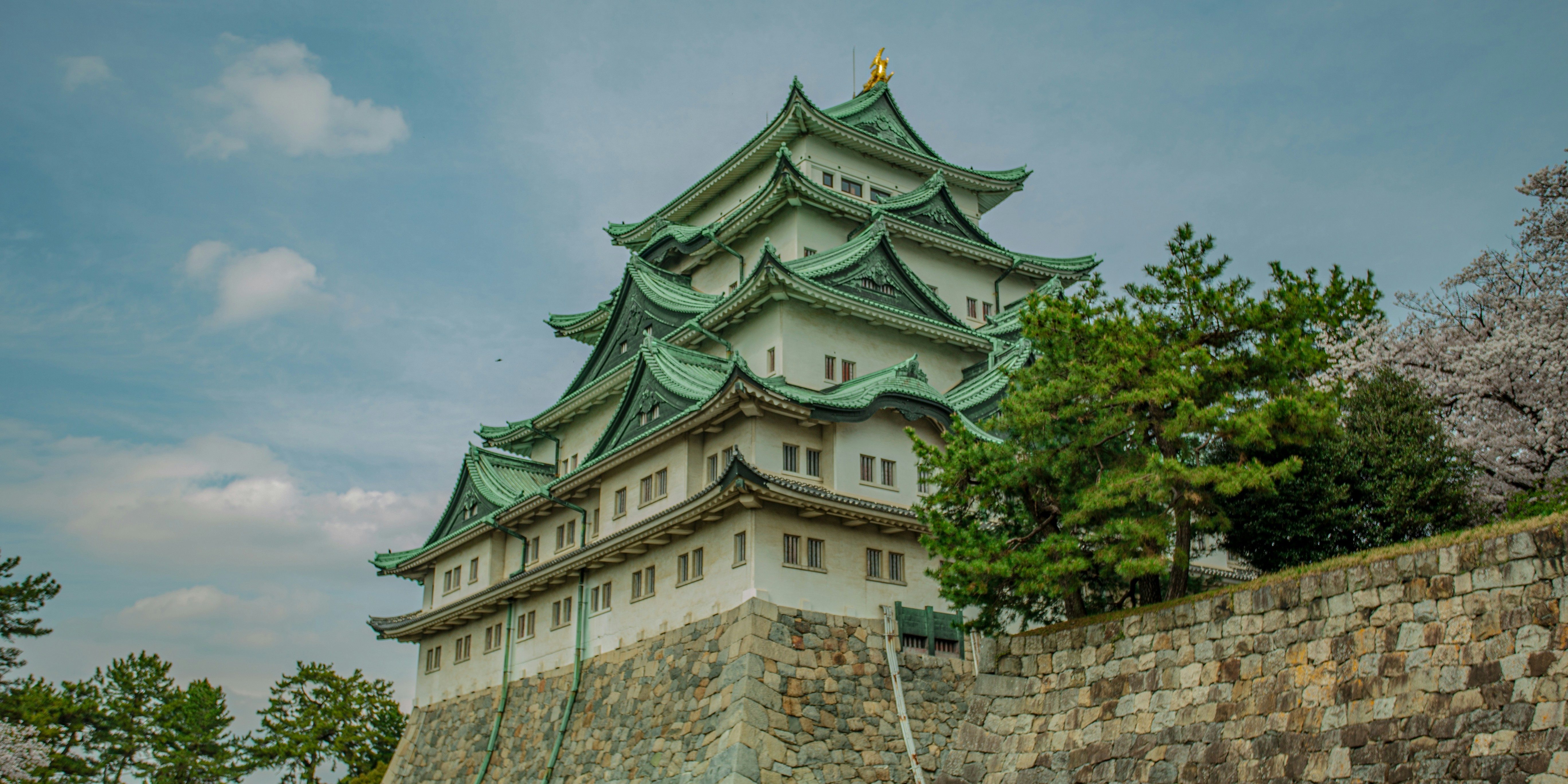
Nagoya Castle

Atsuta Jingu
Frequently Asked Questions
Planning Your Nagoya Trip?
See the full Nagoya destination guide or browse Japan itineraries that include this city.
See all Temples & Shrines across Japan →