Osu Shopping District
ExploreJapanDaily Editorial Team · Last updated: July 9, 2026 · Facts verified: September 1, 2026

- Area
- Osu / Kanayama
- Best For
- Shopping, Food, Pop Culture, Budget Travel
Visiting Osu Shopping District
Osu is Nagoya's densest and most eclectic shopping district, a tangle of covered arcades in Naka-ku, in the Aichi Prefecture capital, holding an estimated 1,200 shops and restaurants within a compact, walkable area. The district's identity has always been mixed rather than singular: vintage clothing and thrift shops sit beside electronics retailers, manga and anime specialty stores, and generations-old sweet shops, giving Osu a reputation as something like Nagoya's answer to Tokyo's Harajuku and Akihabara combined into a single neighborhood rather than two separate districts.
The area's history predates its current shopping-street character by centuries. Osu Kannon Temple, the district's spiritual and geographic anchor, was originally built in 1333 in what is now Hashima City, well outside Nagoya, before Tokugawa Ieyasu ordered it relocated to its present site in 1612 during the construction of Nagoya Castle. The temple is counted among Japan's Three Kannon Temples, alongside Asakusa Kannon in Tokyo and Tsu Kannon in Mie Prefecture, and its central statue of Kannon, the Buddhist bodhisattva of mercy, is traditionally attributed to the 9th-century monk Kobo Daishi.

Shops grew up around the temple's approach roads over the following centuries as merchants and pilgrims settled the area, and by the Edo period Osu had become one of Nagoya's established commercial districts. Much of that history is not visible in the current buildings, since most of Osu's covered arcades date from postwar reconstruction, but the underlying street pattern and the temple's continued presence as a working religious site give the district a layered feel that distinguishes it from purpose-built shopping centers elsewhere in the city.
The district spans several named streets that together make up its shopping core, including Nio-mon Dori (the main approach toward the temple's guardian gate), Osu Hondori, Higashi Nio-mon Dori, and Bansho-ji Dori, each with a slightly different character. Nio-mon Dori tends toward tourist-facing shops and food stalls closest to the temple, while side streets deeper into the district hold denser concentrations of vintage clothing, secondhand electronics, and specialty hobby shops that draw a more local, younger crowd than the temple approach itself.
Food is one of Osu's strongest draws, with a dense concentration of street food stalls selling taiyaki (fish-shaped filled pastries), takoyaki, and regional Nagoya specialties like tebasaki (fried chicken wings) alongside sit-down restaurants ranging from ramen counters to Taiwanese and other international cuisines that reflect the district's more cosmopolitan recent character. Unlike more polished shopping streets elsewhere in central Nagoya, Osu's prices skew toward the budget end, particularly in its secondhand and vintage clothing shops, making it a popular stop for travelers looking for deals rather than luxury retail.
Osu Kannon Temple itself holds regular Ennichi festivals on the 18th and 28th of each month, when flea market stalls and street vendors fill the temple grounds and surrounding streets in an event with roots going back generations. Larger annual events include the Osu Summer Festival in August, the Osu Daido-chonin Festival in October, which features street performances along the main arcades, and the Osu Setsubun Takarabune Gyoretsu, a treasure ship parade held in February around the traditional bean-throwing festival.

The temple grounds themselves are open long hours daily and free to enter, and worship at the main hall takes only a few minutes, making it easy to fold a stop at Osu Kannon into a broader walk through the surrounding arcades rather than treating it as a separate destination. The temple's covered gate and the adjacent five-story pagoda-style structure are among the more photographed spots in the district, particularly in the late afternoon when the shopping streets are at their busiest.
Osu's central location makes it one of the easiest districts in Nagoya to combine with other sightseeing. Nagoya Castle sits roughly ten minutes away by subway with a single transfer at Kamimaezu, and Atsuta Jingu is a similarly short ride south, meaning a full day covering all three sites is realistic without extensive backtracking. Evenings in Osu tend to be quieter than the food-and-drink-heavy Sakae district a short distance away, since most Osu shops close by early evening, so afternoon through early evening is generally the most rewarding window for a visit.
Things to Do at Osu Shopping District
How to Get to Osu Shopping District
Osu sits in Naka-ku, roughly midway between Nagoya Castle and Atsuta Jingu, and is served directly by its own subway station.
- •Nearest station: Osu Kannon Station (Nagoya Municipal Subway Tsurumai Line), Exit 2, approx. 3-minute walk to Osu Kannon Temple; Kamimaezu Station (Meijo and Tsurumai Lines) also serves the southern end of the district
- •IC cards (Suica, Pasmo, or ICOCA) are accepted on trains, subways, and buses throughout Japan. Tap in and out at every gate.
- •Avoid traveling during rush hour on weekdays: 7am to 9am and 5pm to 8pm. Trains are significantly more crowded.
- •Google Maps provides accurate real-time transit directions in Nagoya. Download offline maps before you arrive.
Map
Best Time to Visit Osu Shopping District
Best time to visit Osu Shopping District: Weekday afternoons for the calmest browsing; the 18th and 28th of each month for the Ennichi flea market. Weekday mornings are generally quieter than weekends and public holidays.
- •Best time to visit: Weekday afternoons for the calmest browsing; the 18th and 28th of each month for the Ennichi flea market
- •Arriving on a weekday morning avoids the largest crowds. Weekends and public holidays are significantly busier.
- •Spring (late March to early May) and autumn (October to November) are the most popular seasons for visiting Nagoya.
- •Golden Week (late April to early May) is the busiest week of the year in Japan. Book accommodation and tickets well in advance.
Entry Fee & Hours
- •The district itself has no admission fee; it's a public network of shopping streets. Osu Kannon Temple's grounds and main hall are also free, with donations at the visitor's discretion.
- •Individual shops keep their own hours, and some smaller vintage or specialty stores close one day a week or open later than the district's typical 10:00 AM start.
- •The covered arcades are flat, paved, and step-free throughout, making the shopping streets generally manageable for wheelchairs and strollers, though narrow side streets and the crowds around Ennichi market days can make navigation tight. Osu Kannon Temple's courtyard is level, but a set of stone steps leads up to the main hall itself, so wheelchair users may need to view the hall from the courtyard rather than entering.
Nearby Attractions
Combine with Osu Shopping District on the same day

Osu Kannon
Nagoya Castle

Atsuta Jingu

Nagoya City Science Museum
- •Osu Kannon (Coincident; the temple sits directly within the district's arcades): A free, centuries-old Buddhist temple in Nagoya's Osu district, one of Japan's Three Kannon Temples and the historical anchor around which the surrounding Osu Shopping District grew up.
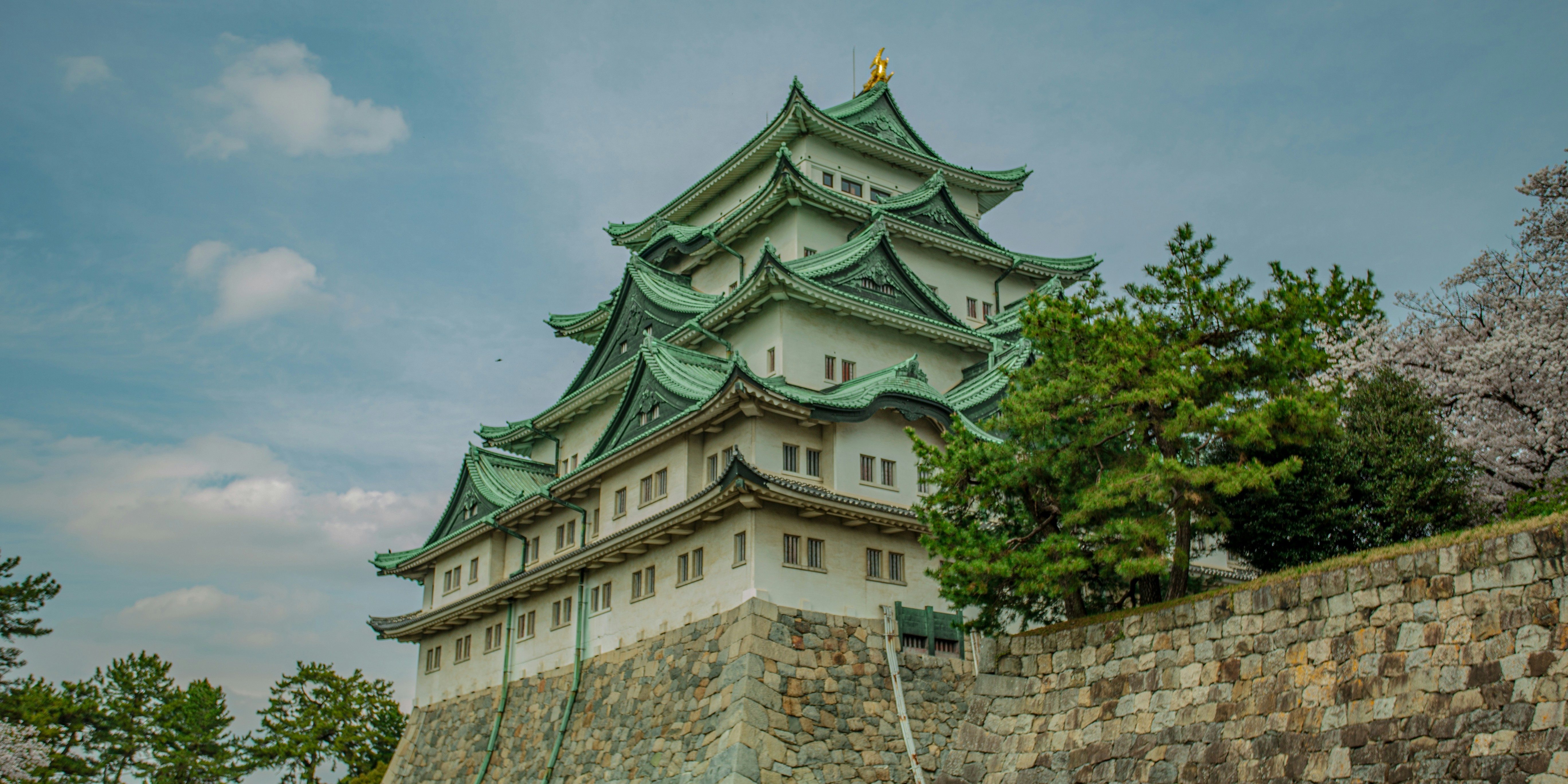
- •Nagoya Castle (Approx. 2.5 km, about 10 minutes by subway): The reconstructed castle built for the Tokugawa family in 1610-1612, known today for its gilded shachihoko roof ornaments and the meticulously restored Hommaru Palace.
- •Atsuta Jingu (Approx. 3 km, about 10 minutes by subway): One of Japan's most revered Shinto shrines, traditionally said to enshrine the sacred sword Kusanagi no Tsurugi, set within a wooded precinct in southern Nagoya.
- •Nagoya City Science Museum (Approx. 1.5 km, about a 20-minute walk or short subway ride): A science museum and planetarium in central Nagoya's Sakae district, known for one of the largest planetarium domes in the world and hands-on exhibits including an indoor tornado simulator and a -30C deep-freeze room.
Suggested Itinerary
Pair Osu Shopping District with these nearby stops for a full day in Osu / Kanayama.
Frequently Asked Questions
Planning Your Nagoya Trip?
See the full Nagoya destination guide or browse Japan itineraries that include this city.
See all Shopping & Entertainment across Japan →Explore all attractions in Nagoya or browse nearby destinations.
Back to Nagoya Guide →