Tokugawa Garden
By Andrew Liyan · Last updated: September 1, 2026 · Facts verified: September 1, 2026

- Area
- Tokugawa / Eastern Nagoya
- Best For
- Nature, History, Photography
Visiting Tokugawa Garden
Tokugawa Garden sits in Higashi Ward in eastern Nagoya, Aichi Prefecture, on the site of a residence built in 1695 by Tokugawa Mitsutomo, the second lord of Owari Domain. What visitors walk through today is a landscape garden built around a network of ponds, streams, and hills, not a museum collection or a shrine complex, and it remains a genuinely public, city-run garden rather than a private estate preserved behind glass.
The garden's history runs in parallel with its immediate neighbor, the Tokugawa Art Museum, and understanding that shared origin explains why the two sites share a family name but operate as two entirely separate attractions today. After Tokugawa Mitsutomo's original Ozone Shimoyashiki residence passed through retainer families following his death, the 1867 Meiji Restoration returned the property to the Owari Tokugawa family. In 1931, Tokugawa Yoshichika, the 19th head of the family, donated the roughly 23,000 square meter estate to the city of Nagoya. The garden opened to the public in 1932, and the museum opened on the same original property in 1935, holding the family's own art and heirloom collection rather than any part of the garden itself.
That split matters for planning a visit, because it means no single ticket covers both sites. Despite sharing an address on Tokugawa-cho and a common origin story, Tokugawa Garden and the Tokugawa Art Museum are operated and ticketed separately, and no combined ticket currently exists between them. Some older tourism-board pages still describe a combined-ticket price, but that figure predates the museum's own current admission and should not be trusted; travelers who want to see both the garden and the museum's collection should plan to buy admission to each on its own.
The garden itself centers on Ryusenko, a pond fed by the Ozone Waterfall, with paths that wind past teahouses, stone bridges, and plantings arranged to change character with the seasons. Most of the estate's original structures were destroyed in a 1945 air raid, and the garden as it appears today is largely the result of a reconstruction completed in 2004. The one structure to survive the war intact is the Kuro-mon, the original black entrance gate, which remains the clearest physical link between the present-day garden and the Edo-period residence that once stood here.
Seasonal color is the garden's strongest genuine draw, and it is worth being honest about how that works: these are real, recurring features, but the exact timing shifts with the weather every year. Cherry blossoms, roughly 100 trees across about 30 varieties, typically peak in late March to early April, followed by peonies in mid-to-late April and wisteria in May. Irises follow into early summer, and autumn brings out around 300 maple trees from mid-October through early December, with an evening illumination event held during the peak color weeks. None of these are visible year-round, and a visit planned around a specific bloom should always be checked against the garden's current seasonal status rather than assumed from a general calendar.
General admission is ¥300, a figure that per the Aichi Prefecture tourism board's English-language page also covers high school and university student age, with ¥100 admission for Nagoya residents 65 and older and free entry for middle school age and under. Fee waivers apply for holders of certain disability-related handbooks. The garden is open 9:30 AM to 5:30 PM, with last entry at 5:00 PM, and closes on Mondays (or the following non-holiday day when Monday is a public holiday), plus an annual closure around the New Year holiday from December 29 through January 1. Accessibility over some of the garden's terrain is not officially confirmed; visitor reports describe a mix of paved paths and uneven or sloped sections, so travelers with mobility needs should confirm current conditions directly before visiting.
Whether Tokugawa Garden is worth a dedicated stop depends on genuine interest rather than novelty. Travelers drawn to Japanese garden design, or planning a trip around cherry blossoms or autumn foliage, get real value here, and so do travelers who are already committed to visiting the adjacent museum and want to make the most of the same site. Readers looking for one of the largest or most famous gardens in the region should adjust expectations; Tokugawa Garden's honest appeal is a compact, well-kept landscape garden with a genuine historical pedigree, not a headline destination on its own.
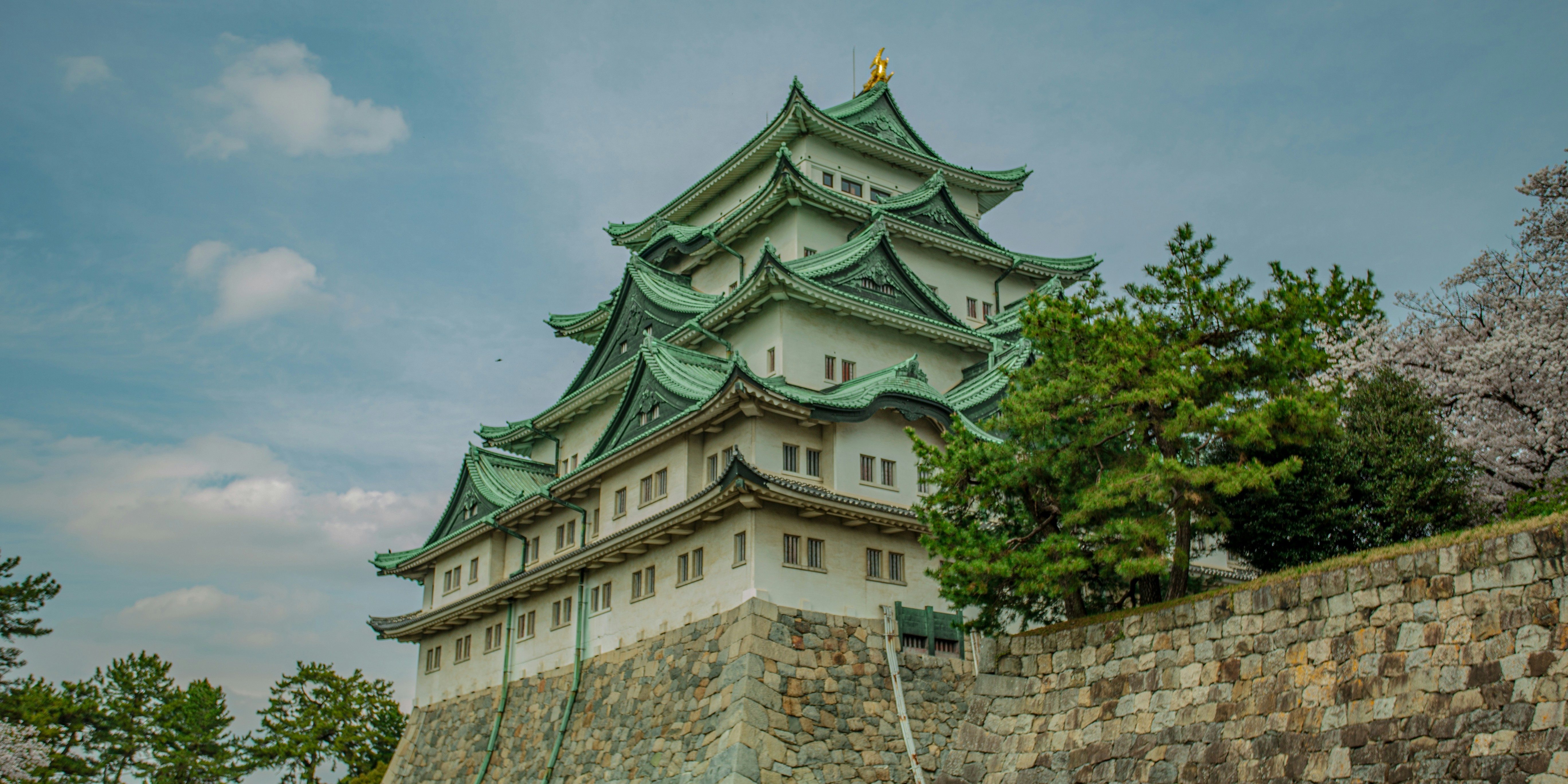
The garden sits about a 10-minute walk from Ozone Station, served by the JR Chuo Line, the Meitetsu Seto Line, and the Meijo Subway Line, the same station used to reach the adjacent museum. City buses also stop at the Tokugawaen Shindeki stop, reachable from Nagoya Station or from Sakae's Oasis 21. An on-site restaurant, a gift shop near the entrance, and an auditorium used for events round out the practical side of a visit. For travelers building a fuller Owari Tokugawa day, the Tokugawa Art Museum next door is the natural first pairing, and Nagoya Castle, the family's former seat of power roughly 2 miles away, works as a same-day second stop reached by bus or subway rather than on foot.
Things to Do at Tokugawa Garden
Walk Around Ryusenko Pond and Ozone Waterfall
The central pond, Ryusenko, and its feeding Ozone Waterfall form the garden's visual core, with paths circling the water past stone arrangements and seasonal plantings that change the view from one turn to the next.
See the Kuro-mon, the Garden's Wartime Survivor
The original black entrance gate is the one structure on the estate to survive the 1945 air raid intact, making it the clearest physical link between today's garden and the Edo-period residence that once occupied this site.
Catch Cherry Blossoms, Peonies, and Wisteria in Spring
Roughly 100 cherry trees across about 30 varieties typically peak in late March to early April, followed by peonies in mid-to-late April and wisteria in May, each a real but weather-dependent window rather than a fixed date.
Follow the Autumn Maples and Evening Illumination
Around 300 maple trees turn color from mid-October through early December, and the garden holds an evening illumination event during the peak color weeks. Exact timing shifts with the weather each year, so check current conditions before planning a trip around it.
Cross the Teahouses and Garden Bridges
Several teahouses and stone or wooden bridges are worked into the garden's paths, typical features of a traditional Japanese strolling garden design and a good excuse to slow down rather than walk the loop in one pass.
Stop by the On-Site Restaurant and Gift Shop
A two-story restaurant near the pond and a gift shop close to the entrance round out the practical side of a visit; an auditorium on the grounds is also used for events and lectures.
Pair the Visit with the Adjacent Tokugawa Art Museum
The Tokugawa Art Museum sits immediately next door on the same former estate, the most natural same-site pairing for this garden. Admission is separate for each, so budget for two tickets if visiting both in one stop.
How to Get to Tokugawa Garden
Tokugawa Garden sits in Higashi Ward, eastern Nagoya, reached most directly from Ozone Station, the same station used for the adjacent Tokugawa Art Museum.
From Nagoya Station
Take the JR Chuo Line directly to Ozone Station, a ride of about 20 minutes, then walk roughly 10 minutes to the garden entrance. The Meijo Subway Line and Meitetsu Seto Line also serve Ozone Station.
From Sakae
City buses run from Sakae's Oasis 21 to the Tokugawaen Shindeki stop, a short walk from the garden entrance; check current routes and schedules locally, since bus routings change more often than subway lines.
Combining with the Tokugawa Art Museum
The museum sits immediately next to the garden on the same former estate grounds, close enough to walk between the two without needing any transit at all.
Combining with Nagoya Castle
Nagoya Castle, the Owari Tokugawa family's former seat of power, sits roughly 2 miles (3.2 km) away, not within walking distance but an easy same-day pairing by bus or subway. The Meguru sightseeing loop bus connects the area in roughly 15 to 16 minutes, or the subway route via Ozone and Shiyakusho Stations takes roughly 38 minutes with a transfer.
Best Time of Day to Visit
Weekday mornings offer the quietest paths, particularly outside the cherry blossom and autumn foliage peak weeks, when the garden draws its largest crowds.
Best Time to Visit Tokugawa Garden
Late March to early April for cherry blossoms, mid-October to early December for autumn maples with an evening illumination event; weekday mornings for a quiet visit outside those peak weeks.
Cherry blossoms (roughly 100 trees, about 30 varieties) typically peak late March to early April, followed by peonies (up to roughly 1,000 blooms) mid-to-late April and wisteria in May. Exact timing shifts with the weather each year.
Irises follow into early summer, and the garden's greenery is at its fullest; hot, humid conditions make an early morning visit more comfortable.
Around 300 maple trees turn color, with an evening illumination event held during the peak color weeks. Exact timing shifts with the weather each year, so check current conditions before planning a trip around it.
The garden's quietest season, with the pond, stonework, and Kuro-mon gate visible without the crowds of peak bloom weeks; the site closes briefly for the New Year holiday.
Entry Fee & Hours
| Category | Price (JPY) | Approx. (USD) |
|---|---|---|
| Adult (includes high school / university student age) | ¥300 | ~$2 |
| Nagoya-resident senior (65+) | ¥100 | ~$0.70 |
| Middle school age and under | Free | Free |
- •General admission is ¥300 for adults, which per the Aichi Prefecture tourism board's English page also covers high school and university student age.
- •Nagoya-resident seniors (65 and older) pay ¥100; middle school age and under enter free. Fee waivers also apply for holders of certain disability-related handbooks.
- •No combined ticket currently covers both Tokugawa Garden and the adjacent Tokugawa Art Museum. Some older tourism-board pages describe a combined-ticket price that reads as stale and predates the museum's own admission increase; do not rely on that figure.
- •The garden closes for the New Year holiday period, December 29 through January 1, in addition to the standard weekly Monday closure (or the following non-holiday day when Monday is a public holiday).
Nearby Attractions
Combine with Tokugawa Garden on the same day

Tokugawa Art Museum
Nagoya Castle

Higashiyama Zoo and Botanical Gardens

Shirotori Garden
Frequently Asked Questions
Planning Your Nagoya Trip?
See the full Nagoya destination guide or browse Japan itineraries that include this city.
See all Nature & Scenic Spots across Japan →