Nara National Museum
By Andrew Liyan · Last updated: September 10, 2026 · Facts verified: September 10, 2026

- Area
- Nara Park Area
- Best For
- Museums & Art, History & Culture, Rainy-day activities, Photography
Visiting Nara National Museum
Nara National Museum is Nara's dedicated museum of Buddhist art, founded in 1895 during the Meiji era as one of Japan's earliest national museums. Its original building, a neoclassical structure now known as the Nara Buddhist Sculpture Hall, still stands today and is visually distinct from the modern East and West Wings added later for special exhibitions.
The museum's permanent collection is substantial on its own terms: nearly 100 Buddhist statues drawn from Nara-area temples are on permanent display in the Nara Buddhist Sculpture Hall, alongside Buddhist paintings and applied art. For visitors who have already seen statuary in situ at Todai-ji or Kofuku-ji, the museum offers a different, curated way to view comparable works up close, with the interpretive context a temple setting does not provide.
The museum is best known internationally for its annual Shosoin Exhibition, typically held in October or November for about two weeks, showcasing treasures connected to Todai-ji and the Nara-period imperial court. The exhibition draws significant crowds and is priced and hours-extended separately from the regular permanent collection.
It is easy to assume the museum is only worth visiting during the Shosoin Exhibition, but that undersells the permanent Nara Buddhist Sculpture Hall collection, which stands on its own as one of Nara's strongest indoor cultural experiences year-round. For travelers visiting outside the exhibition window, or looking for a rainy-day alternative to the outdoor temple circuit, the museum remains a genuine, worthwhile stop.
Located a short walk from Nara Park along Noborioji-dori, the museum fits naturally into the same day as Todai-ji, Kofuku-ji, and Kasuga Taisha, offering a curated indoor counterpoint to that outdoor temple-and-deer circuit.
Things to Do at Nara National Museum
Explore the Nara Buddhist Sculpture Hall
The museum's permanent collection, housed in its original 1895 Meiji-era building, displays nearly 100 Buddhist statues from Nara-area temples alongside Buddhist paintings and applied art.
See the Historic Museum Building Itself
The neoclassical Meiji-era main building is a notable piece of architecture in its own right, visually distinct from the modern East and West Wings used for special exhibitions.
Time a Visit Around the Shosoin Exhibition
Held annually in autumn, typically October-November, for about two weeks, the Shosoin Exhibition showcases treasures connected to Todai-ji and the Nara-period imperial court, priced and scheduled separately from the regular permanent collection.
Combine with the Nara Park Temple Circuit
Located a short walk from Todai-ji, Kofuku-ji, and Kasuga Taisha, the museum fits naturally into the same day as Nara Park's main temple cluster.
How to Get to Nara National Museum
Nara National Museum is located on Noborioji-dori, a short walk from Nara Park and Kintetsu Nara Station.
From Kintetsu Nara Station
The museum is approximately a 15-minute walk east from Kintetsu Nara Station along Noborioji-dori, in the same direction as Nara Park's main temple cluster.
From JR Nara Station
JR Nara Station is somewhat farther; most visitors walk via Kintetsu Nara Station or combine the museum with a Nara Park Area day already underway.
Best Time to Visit Nara National Museum
Outside the autumn Shosoin Exhibition period for a quieter visit.
Entry Fee & Hours
| Category | Price (JPY) | Approx. (USD) |
|---|---|---|
| Adult | ¥700 | ~$5 |
| University Student | ¥350 | ~$2.50 |
| High School and Under | Free | Free |
Regular permanent-collection admission only; the annual Shosoin Exhibition and other special exhibitions are priced and ticketed separately, and are not included in this table since exact current-year figures were not confirmed in research.
- •The museum's own fee page could not be directly re-verified during this research pass; figures above are corroborated across the museum's official FAQ page and official Nara tourism, and should be re-checked before assuming they remain current.
- •Do not assume the Shosoin Exhibition is included in regular admission; it is a separately ticketed, dated annual event.
Nearby Attractions
Combine with Nara National Museum on the same day

Nara Prefectural Museum of Art

Todai-ji Temple
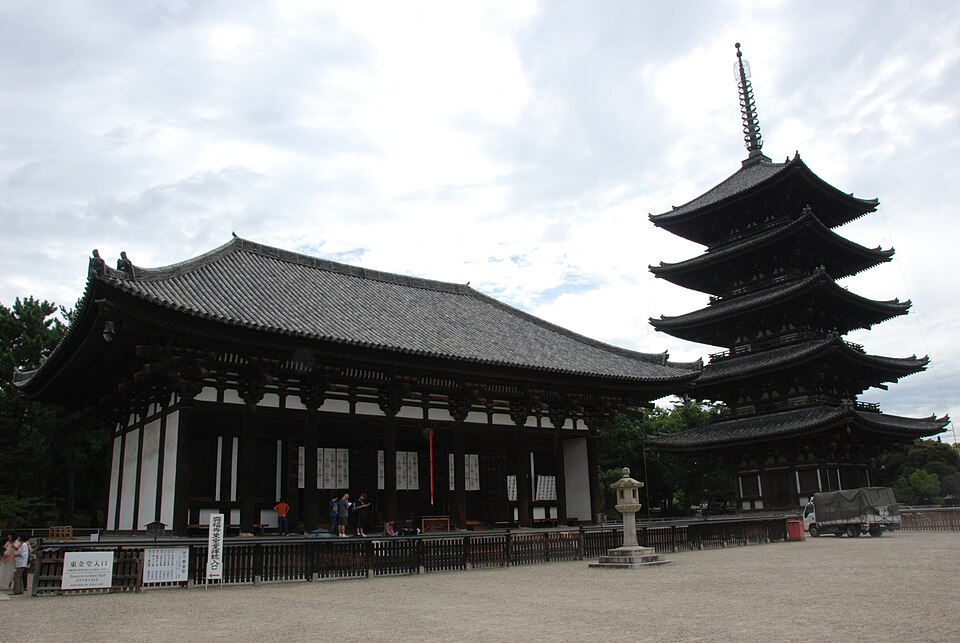
Kofuku-ji Temple

Kasuga Taisha Shrine

Himuro Shrine
Frequently Asked Questions
Planning Your Nara Trip?
See the full Nara destination guide or browse Japan itineraries that include this city.