Kasuga Taisha Shrine
ExploreJapanDaily Editorial Team · Last updated: June 29, 2026 · Facts verified: September 10, 2026

- Area
- Nara Park Area
- Best For
- Shinto culture, Photography, Lantern festivals, History
Visiting Kasuga Taisha Shrine
Kasuga Taisha Shrine is one of Nara's most important spiritual landmarks and one of the most atmospheric shrine complexes in Japan. Nestled within the ancient forests of Nara Park, the shrine is renowned for its thousands of stone and bronze lanterns, vivid vermilion architecture, and deep connection to the origins of Japan's first permanent capital. While many visitors come to Nara for the Great Buddha of Todai-ji Temple or the famous deer roaming freely through the park, Kasuga Taisha offers a different experience, one defined by quiet pathways, sacred woodland, and centuries of living Shinto tradition.
Founded in 768 during the Nara period, Kasuga Taisha was established as the guardian shrine of the powerful Fujiwara clan, one of the most influential families in Japanese history. For generations, the shrine played a central role in both political and religious life, serving as a place where prayers were offered for protection, prosperity, and the wellbeing of the nation. Over the centuries, Kasuga Taisha grew into one of Japan's most revered Shinto sites, and today it remains an active place of worship where traditional rituals continue much as they have for more than a thousand years.
The approach to the shrine is one of the most memorable aspects of visiting. Walking through the forested paths leading toward the main sanctuary, visitors pass hundreds of moss-covered stone lanterns standing quietly beneath towering cedar trees. The atmosphere changes noticeably as the sounds of the city fade behind the forest. Light filters through the branches overhead while deer wander through the surrounding woodland, reinforcing the sense that nature and spirituality remain closely connected here. Unlike many urban shrines surrounded by commercial development, Kasuga Taisha feels deeply integrated into the landscape around it.
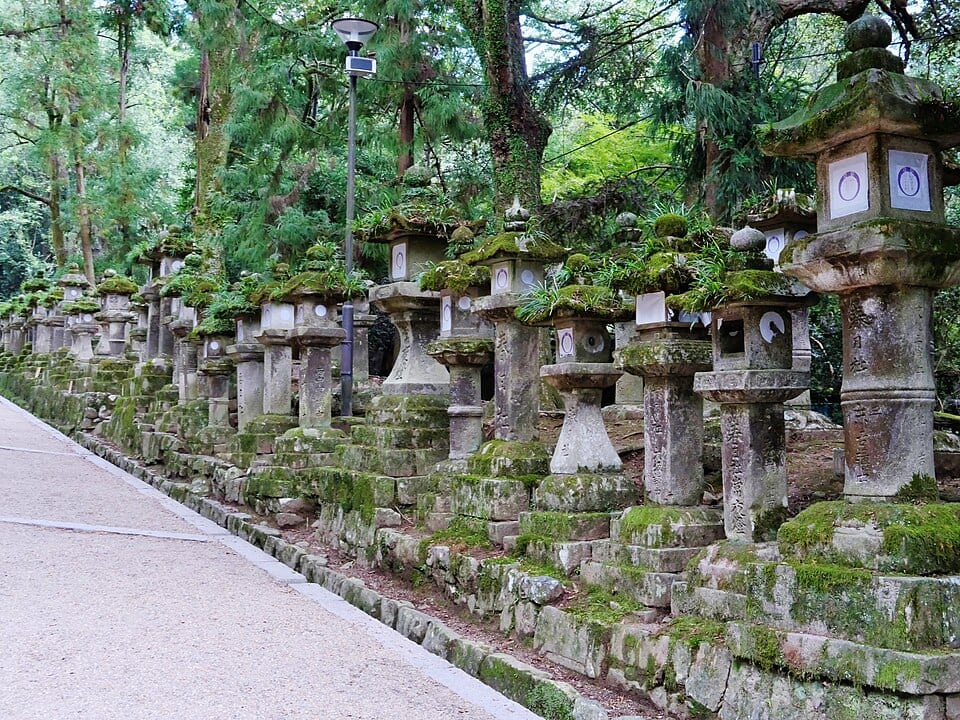
The lanterns that line the shrine grounds are among its most recognizable features. Donated over many centuries by worshippers, nobles, merchants, and local families, these lanterns represent generations of devotion and gratitude. Thousands remain throughout the complex, creating one of the most distinctive visual identities of any shrine in Japan. During special lantern festivals held several times each year, many of these lanterns are illuminated simultaneously, transforming the shrine into a softly glowing landscape of light and shadow. Even outside festival periods, the lanterns contribute significantly to the atmosphere, providing a visible connection between past and present.
Architecturally, Kasuga Taisha stands apart from many other historic shrines because of its brilliant vermilion-painted structures. The bright color contrasts beautifully against the deep green forest surrounding the sanctuary buildings. Covered corridors, decorative details, wooden gates, and traditional shrine pavilions create a visual harmony that feels elegant rather than overwhelming. The architecture appears carefully balanced with the natural setting, allowing the buildings to stand out while remaining part of the broader woodland environment. This relationship between architecture and nature is one of the defining qualities of the shrine.
The surrounding Kasugayama Primeval Forest further enhances the experience. Protected for centuries as sacred land, this ancient woodland remains largely untouched and forms part of the UNESCO World Heritage designation that includes many of Nara's historic monuments. The forest creates a natural buffer around the shrine, preserving an atmosphere that feels remarkably timeless. Birds move through the canopy overhead, sunlight shifts across moss-covered stones, and the scent of cedar and earth lingers along the pathways. Visitors often find themselves lingering longer than planned simply because the environment encourages a slower and more reflective pace.

Seasonal changes play an important role in shaping the character of Kasuga Taisha. Spring brings fresh greenery and cherry blossoms to parts of the surrounding park, while summer deepens the forest canopy into rich shades of green. Autumn is particularly beautiful, with red and golden leaves creating striking contrasts against the shrine's vermilion buildings and stone lanterns. Winter introduces a quieter mood, when fewer visitors and softer light reveal a more contemplative side of the shrine grounds. Because the surrounding forest remains central to the experience, each season offers a slightly different perspective on the landscape.
One of the unique aspects of Kasuga Taisha is how naturally it remains connected to everyday spiritual life. Unlike historical sites that function primarily as museums or tourist attractions, the shrine continues to host ceremonies, festivals, weddings, and seasonal rituals throughout the year. Visitors often encounter worshippers offering prayers, priests conducting rituals, or families participating in traditional celebrations. These moments add authenticity to the experience and remind travelers that Kasuga Taisha remains a living religious institution rather than simply a preserved historical monument.
The shrine's location within Nara Park also creates a seamless connection with many of the city's most significant cultural sites. Yet despite its proximity to popular attractions, Kasuga Taisha often feels quieter and more intimate. The forest absorbs sound, the pathways encourage slow exploration, and the layered history of the site creates an atmosphere that rewards observation rather than rushing between landmarks. Many travelers leave with the feeling that they have experienced not only a shrine, but also a deeper expression of Nara's spiritual and cultural identity.

For international visitors, Kasuga Taisha Shrine offers an opportunity to experience several defining elements of traditional Japan in one place: sacred forests, Shinto architecture, ancient rituals, seasonal beauty, and a profound respect for the relationship between nature and spirituality. Its significance lies not only in its age or historical status, but in the atmosphere it continues to preserve. Walking beneath the lantern-lined paths, surrounded by centuries-old trees and quiet shrine buildings, it becomes easier to understand why Kasuga Taisha has remained one of Japan's most cherished sacred places for more than twelve centuries.
Things to Do at Kasuga Taisha Shrine
How to Get to Kasuga Taisha Shrine
Kasuga Taisha Shrine is located on the eastern side of Nara Park and is easily accessible from both JR Nara Station and Kintetsu Nara Station.
- •Nearest station: Kasuga Taisha Honden bus stop (bus from Kintetsu Nara Station); or 25-min walk through Nara Park
- •IC cards (Suica, Pasmo, or ICOCA) are accepted on trains, subways, and buses throughout Japan. Tap in and out at every gate.
- •Avoid traveling during rush hour on weekdays: 7am to 9am and 5pm to 8pm. Trains are significantly more crowded.
- •Google Maps provides accurate real-time transit directions in Nara. Download offline maps before you arrive.
Map
Best Time to Visit Kasuga Taisha Shrine
Best time to visit Kasuga Taisha Shrine: February and August for Mantoro lantern festival; early morning for peaceful atmosphere. Weekday mornings are generally quieter than weekends and public holidays.
- •Best time to visit: February and August for Mantoro lantern festival; early morning for peaceful atmosphere
- •Arriving on a weekday morning avoids the largest crowds. Weekends and public holidays are significantly busier.
- •Spring (late March to early May) and autumn (October to November) are the most popular seasons for visiting Nara.
- •Golden Week (late April to early May) is the busiest week of the year in Japan. Book accommodation and tickets well in advance.
Around 3,000 stone and bronze lanterns throughout the shrine grounds are lit simultaneously for one of Nara's most atmospheric winter evenings.
The same 3,000 lanterns are lit again in midsummer, creating a softly glowing landscape across the forested shrine grounds.
The Man'yo Botanical Garden's roughly 200 wisteria vines, including the famous drooping Sunazuri-no-Fuji, reach full bloom beside the shrine.
Entry Fee & Hours
| Category | Price (JPY) | Approx. (USD) |
|---|---|---|
| Shrine Grounds | Free | Free |
| Special Worship of Main Sanctuary | ¥700 | ~$5 |
| Kasugataisha Museum (Kokuho-den) | ¥700 | ~$5 |
| Man'yo Botanical Garden | ¥700 | ~$5 |
The outer shrine grounds and lantern-lined forest approach are free to enter; separate admission applies for the inner sanctuary, museum, and botanical garden.
- •The outer shrine grounds and lantern-lined forest paths are mostly flat and walkable, though sections include gravel and uneven stone surfaces that may be challenging for wheelchairs and strollers.
Nearby Attractions
Combine with Kasuga Taisha Shrine on the same day

Nara Park

Todai-ji Temple
Nigatsu-do Hall
Nearby Attraction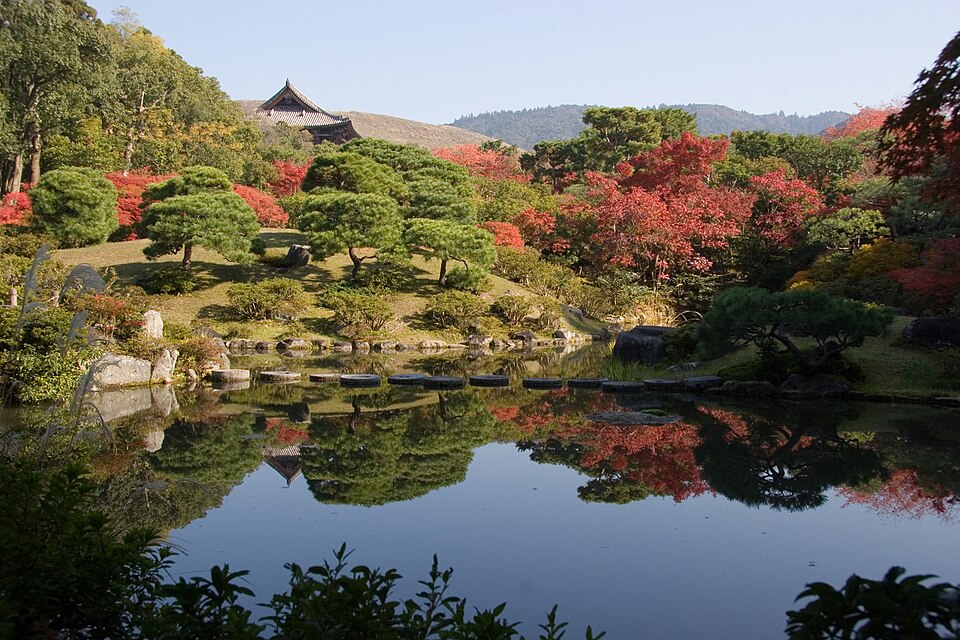
Isuien Garden

Yoshikien Garden

Kasuga Taisha Man'yo Botanical Garden
- •Nara Park: A 502-hectare park surrounding Nara's great temples where over 1,200 wild sika deer roam freely among visitors — Japan's most extraordinary wildlife encounter in an urban setting.
- •Todai-ji Temple: Japan's largest wooden structure, housing the awe-inspiring 15-meter bronze Daibutsu (Great Buddha) cast in 752 CE — the spiritual heart of Nara and a UNESCO World Heritage Site.
- •Nigatsu-do Hall: Part of the Todai-ji complex, Nigatsu-do features a large wooden terrace with panoramic views over Nara and is especially beautiful at sunrise and sunset.
- •Isuien Garden: A masterful Meiji-era strolling garden that frames Todai-ji's rooftops and the Wakakusa hills as living borrowed scenery across two interconnected ponds.
- •Yoshikien Garden: A free, three-part traditional Japanese garden directly beside Isuien Garden, offering a quieter and more compact alternative or add-on to Nara's better-known strolling garden.
- •Kasuga Taisha Man'yo Botanical Garden: A small, separately-ticketed botanical garden beside Kasuga Taisha Shrine growing every plant species named in Japan's ancient Man'yoshu poetry anthology, best known for its wisteria in late April and early May.
Suggested Itinerary
Pair Kasuga Taisha Shrine with these nearby stops for a full day in Nara Park Area.
Frequently Asked Questions
Planning Your Nara Trip?
See the full Nara destination guide or browse Japan itineraries that include this city.
See all Temples & Shrines across Japan →Explore all attractions in Nara or browse nearby destinations.
Back to Nara Guide →