
Takayama at a Glance
- region
- Chubu (Gifu Prefecture)
- best For
- Edo-period old town, the Takayama Festival, Hida beef and morning markets, gateway to Shirakawa-go
- best Time
- Mid-April for the Sanno Matsuri and cherry blossoms, or early October for the Hachiman Matsuri and fall foliage
- suggested Stay
- 2-3 days
- main Station
- Takayama Station (Hida Limited Express terminus and Nohi Bus hub)
- nearby Destinations
- Nagoya, Kanazawa, Shirakawa-go
Visiting Takayama: Hida's Preserved Edo-Period Old Town
Takayama is a small mountain city in the Hida region of northern Gifu Prefecture, sitting in a basin within the Japan Alps roughly between Nagoya to the south and Kanazawa and Toyama to the northwest across the mountains. Its old town, centered on the Sanmachi Suji merchant quarter, survived the 20th century largely intact, wooden storefronts, sake breweries, and narrow lanes laid out under Edo-period rule rather than rebuilt after wartime bombing or postwar development. For a country where so much historic streetscape has been replaced, Takayama's old town is one of the more complete surviving examples, paired with a role as the practical gateway to the thatched-roof villages of Shirakawa-go and the wider Japan Alps. Takayama developed as a castle town under the Kanamori clan from the late 16th century, then came under the direct control of the Tokugawa shogunate in 1692, a status known as tenryo. Takayama Jinya, the regional administrative office built for that new role, still stands today as the only surviving Edo-period government house of its kind in Japan. The merchant quarter grew wealthy on timber, sake, and craft trade under this administration, and the Takayama Festival tradition, with its elaborately decorated yatai floats, developed alongside that Edo-period prosperity. The modern city was established on November 1, 1936, and reached its current, much larger administrative boundary through a 2005 municipal merger, one that makes Takayama the largest city in Japan by area, though the historic tourist core around the station and old town remains compact and walkable. Takayama sits in a mountain basin bordered by the Japanese Alps, including Mount Hotaka at 3,190 meters, the city's highest point. Its inland, elevated location gives it a humid continental climate with a pronounced seasonal swing: cold, heavy-snow winters (this is officially a heavy-snow region, with roughly 305 centimeters of average annual snowfall) and noticeably cooler summers than lowland cities like Nagoya or Kyoto. Most visitors treat Takayama as a two- to three-day stop on a wider Japan Alps or Chubu itinerary, reached either by the JR Hida Limited Express from Nagoya or by a direct highway bus from Kanazawa, Kyoto, Osaka, or Tokyo, since there is no direct rail connection from Tokyo and no dedicated airport in the city itself.
•9 min read
Top Attractions in Takayama
The must-see sights, ranked by traveler impact
View all Takayama attractions →
Kamiokamoto-machi, Takayama, Gifu Prefecture
Hida Folk Village (Hida no Sato)
- Entry
- ¥700 adults
- Best time
- Autumn
- Time needed
- About 2 hours

Sowamachi, Takayama, Gifu Prefecture
Hida Kokubunji Temple
- Entry
- Free
- Best time
- Mid-to-late November
- Time needed
- 10 to 30 minutes

Teramachi, Takayama, Gifu Prefecture
Higashiyama Walking Course, Takayama
- Entry
- Free. This is a public
- Best time
- Autumn is the strongest and most consistently sourced recommendation
- Time needed
- Approximately 1.5 to 2 hours

Shimosanno-machi, Takayama, Gifu Prefecture
Miyagawa Morning Market
- Entry
- Free to browse. This is a public open-air market with no ticket or entry fee of any kind
- Best time
- Around 7:00 to 8:00 AM is the sweet spot: late enough that most stalls have finished setting up
- Time needed
- 30 to 60 minutes

Sanmachi Suji, Takayama
Nakabashi Bridge
- Entry
- Free. Nakabashi Bridge is a public road bridge with no gate
- Best time
- Early morning is quietest
- Time needed
- 5 to 15 minutes. Nakabashi Bridge is a photo stop and a crossing point on the walk between the Old Town and the Miyagawa Morning Market

Sakura-machi, Takayama
Sakurayama Hachimangu Shrine
- Entry
- Free
- Best time
- Early morning or late afternoon give the quietest
- Time needed
- 20 to 30 minutes

Sakuramachi, Takayama
Takayama Festival Floats Exhibition Hall
- Entry
- ¥1,000 adults
- Best time
- Any time of year
- Time needed
- 30-45 minutes

Old Town, Takayama
Takayama Jinya
- Entry
- ¥500 adults
- Best time
- Morning
- Time needed
- 45-60 minutes

Sanmachi Suji, Takayama, Gifu Prefecture
Takayama Old Town (Sanmachi Suji)
- Entry
- Free. Sanmachi Suji is a public street district with no gate
- Best time
- Early morning
- Time needed
- 20 to 30 minutes

Sanmachi Suji (Ojinmachi), Takayama, Gifu Prefecture
Yoshijima Heritage House
- Entry
- Temporarily closed. The official Hida Takayama tourism association has not announced a reopening date
- Best time
- Check the official tourism association
- Time needed
- 20 to 45 minutes
Why Visit Takayama?
Quick Answer
Takayama pairs an intact Edo-period merchant old town with one of Japan's most celebrated float festivals and a role as the practical gateway to Shirakawa-go, distinct from a generic "historic town" framing.
Takayama is worth visiting because it pairs an old town that survived largely intact from the Edo period with one of Japan's most celebrated float festivals and a practical role as the gateway to Shirakawa-go, a combination distinct from a generic "historic town" framing.
Sanmachi Suji, the preserved merchant quarter at the heart of Takayama's old town, grew wealthy on timber, sake, and craft trade during the city's two centuries under direct Tokugawa shogunate rule. Its wooden storefronts and sake breweries, several still marking their brewing season with a cedar-ball sugidama hung outside, are genuinely well preserved rather than reconstructed for tourism. That said, the district's popularity has a real cost: traveler reviews describe parts of the main preserved street as feeling commercialized, "tourist shops after shops" is a common complaint, a genuine tension between preservation and souvenir-shop density worth acknowledging rather than glossing over. Budgeting at least an hour for an unhurried walking pass, more if stopping for sake tastings or craft shopping, helps the district read as the historic quarter it is rather than a shopping strip.
The Takayama Festival, comprising two separately named festivals, is one of Japan's most celebrated. The Sanno Matsuri runs every spring on April 14-15, and the Hachiman Matsuri runs every autumn on October 9-10, centered on Sakurayama Hachimangu Shrine, whose origins trace back to the 5th century. Both festivals bring the city's elaborately decorated yatai floats out into the streets, and both date ranges have been fixed on this calendar pattern since 1968, making them a stable, reliable planning anchor rather than a moving target. Outside those two windows, the floats themselves are on permanent display at the Takayama Festival Floats Exhibition Hall, adjacent to Sakurayama Hachimangu Shrine.
Takayama's food culture is a destination in its own right. Hida beef, a wagyu variety raised in the surrounding region, is served locally as sushi, grilled skewers, steaks, or in hot pot. Hoba miso pairs miso and local vegetables grilled on a magnolia leaf, often with Hida beef added on top, and Takayama-style mitarashi dango is a savory, soy-glazed skewered rice dumpling distinct from the sweeter version found elsewhere in Japan. The old town's sake breweries have operated since the mid-Edo period, seven of them still producing today, and several sell directly to visitors.
Shopping in Takayama centers on Sanmachi Suji's craft and sake shops and on the produce, pickles, and craft stalls of the Miyagawa Morning Market and Jinya-mae Morning Market. Nightlife is modest compared to Nagoya or Kanazawa, with a small concentration of izakaya near the station and old-town edges rather than a dedicated nightlife district, worth knowing before building an evening around it.
Takayama's role as a practical gateway is part of why it belongs on a Japan Alps itinerary rather than as an isolated stop. Shirakawa-go, the UNESCO World Heritage thatched-roof village, is about 50 minutes away by direct Nohi Bus, and Kamikochi, a Japan Alps highland resort area, is about 1.5 hours away. Hida-Furukawa and Gero Onsen are two other real, verifiable nearby towns without a dedicated guide on this site yet. Community forum discussion consistently warns against trying to combine Takayama and Shirakawa-go into a single day from a distant city like Kyoto or Osaka, given the roughly 2:30 PM departure deadline needed to make onward bus connections. Splitting the two into separate days, or basing overnight in Takayama itself, is the more comfortable option for most travelers.
How to Get to Takayama
Quick Answer
The fastest route is the JR Hida Limited Express from Nagoya (about 2 hours 15 minutes to 2 hours 30 minutes, around 10 round trips a day); a direct highway bus reaches Takayama from Kanazawa (about 3 hours 30 minutes, via Shirakawa-go), Kyoto or Osaka, or Tokyo (both about 5 hours 30 minutes).
Takayama has no direct rail connection from Tokyo and no dedicated airport of its own. Most visitors reach it either by the JR Hida Limited Express from Nagoya, the fastest and most frequent gateway, or by a direct highway bus from Kanazawa, Kyoto, Osaka, or Tokyo.
Chubu Centrair International Airport (NGO)
- Travel time
- About 3 hours total to Takayama Station, via train to Nagoya Station then the Hida Limited Express
- Distance
- Approx. 190 km (118 miles) south of Takayama, near Nagoya
- Best for
- Most international visitors, who typically fly into the Chubu region and continue to Takayama via Nagoya
Getting to Takayama from Nagoya
Getting to Takayama from Tokyo
Getting to Takayama from Kyoto or Osaka
Getting to Takayama from Kanazawa
Arriving at Takayama Station
Takayama Station is the terminus of the Hida Limited Express and the main hub for Nohi Bus's local and highway-bus routes. The old town and the station are within about a 10-15 minute walk of each other. From here, you can easily reach:
- •Sanmachi Suji old town and the Miyagawa Morning Market (on foot)
- •Takayama Jinya and the Jinya-mae Morning Market (on foot)
- •Sakurayama Hachimangu Shrine and the Takayama Festival Floats Exhibition Hall (on foot or short bus ride)
- •Hida Folk Village (via local Nohi Bus route)
- •Shirakawa-go, Kanazawa, Kyoto, Osaka, and Tokyo (via Nohi Bus highway routes)
Recommended
For most visitors, the Hida Limited Express from Nagoya is the fastest and most frequent way in. Travelers already routing through Kanazawa, Kyoto, Osaka, or Tokyo without a Nagoya stop are usually better served by a direct highway bus, particularly the Kanazawa route, which passes through Shirakawa-go along the way.
Best Time to Visit Takayama
Quick Answer
Spring (around April 14-15, the Sanno Matsuri and cherry blossoms) and autumn (around October 9-10, the Hachiman Matsuri and fall foliage) are the most popular windows. Winter brings heavy snow and an atmospheric old town at a quieter pace.
The best time to visit Takayama is spring, around April 14-15 for the Sanno Matsuri and cherry blossoms, or autumn, around October 9-10 for the Hachiman Matsuri and fall foliage. Takayama's inland, mountain-basin location in the Japan Alps gives it a noticeably cooler climate than lowland cities like Nagoya or Kyoto, with cold, heavy-snow winters.
Spring: The Sanno Matsuri and Cherry Blossoms
The Sanno Matsuri runs every year on April 14-15, bringing the city's elaborately decorated yatai floats out into the streets alongside the season's cherry blossoms. This date range has been fixed on this calendar pattern since 1968, making it a reliable anchor for trip planning. Accommodation in the old town books up well ahead of these dates.
Summer: Cooler Than the Lowlands
Takayama's elevation gives it a noticeably cooler mountain climate than lowland cities like Nagoya or Kyoto, making for comfortable walking weather along the Higashiyama Walking Course and through the old town.
Autumn: The Hachiman Matsuri and Fall Foliage
The Hachiman Matsuri runs every year on October 9-10, centered on Sakurayama Hachimangu Shrine, and pairs the city's autumn edition of its yatai float parade with fall foliage across the surrounding Hida region. Like the Sanno Matsuri, this date range has been fixed since 1968.
Winter: Heavy Snow and a Quieter Old Town
Takayama is officially a heavy-snow region, with roughly 305 centimeters of average annual snowfall. The result is a genuinely atmospheric, snow-covered old town at a quieter pace than the spring or autumn festival crowds, and a practical base for a winter side trip toward Shirakawa-go's own snow season. Winter also brings colder temperatures and shorter daylight than the shoulder seasons.
Sanno Matsuri vs. Hachiman Matsuri
| Feature | Sanno Matsuri | Hachiman Matsuri |
|---|---|---|
| Season | Spring | Autumn |
| Dates | April 14-15 | October 9-10 |
| Paired with | Cherry blossom season | Fall foliage |
| Centered on | The old town's shrine precincts | Sakurayama Hachimangu Shrine |
Planning Around the Festival Dates
Both festival windows draw the heaviest crowds and the tightest accommodation of the year, so booking well ahead matters if a specific festival date is the reason for the trip. Travelers who prefer a quieter old town, without the floats on display in the streets, may prefer visiting outside these two windows. The floats themselves remain viewable year-round at the Takayama Festival Floats Exhibition Hall.
Winter Mountain Travel
Self-driving between Takayama and neighboring areas like Matsumoto in winter requires real caution: the mountain pass on Route 158 sits at roughly 1,200 meters and often requires snow chains. Travelers relying on trains and buses rather than a rental car avoid this hazard entirely, and walking within Takayama's old town itself is generally straightforward even in snow.
When Should First-Time Visitors Go?
For most first-time visitors, spring or autumn offer the most comfortable combination of weather and festival timing, with the Sanno Matsuri (April 14-15) or Hachiman Matsuri (October 9-10) as a natural anchor if the dates align with the wider trip. Winter suits travelers specifically after a quieter, snow-covered old town and a base for winter Shirakawa-go side trips.
Where to Stay in Takayama
Quick Answer
The Old Town and Miyagawa riverside area is the most-recommended area for atmosphere and proximity to the morning market; the station area suits convenience-focused travelers.
The best areas to stay in Takayama are the station area, the Old Town and Miyagawa riverside, and the Higashiyama temple-district edge, each suiting a different travel style. Takayama's compact core means all three sit within about a 10-15 minute walk of each other.
Station Area: Best for Convenience
Takayama Station is the arrival point for the Hida Limited Express and the hub for Nohi Bus's local and highway-bus routes, making this area the most convenient base for day-trippers or travelers continuing onward by train or bus.
Best For: Convenience-focused travelers, those arriving late or departing early, first visits prioritizing easy transit access
Old Town and Miyagawa Riverside: Best for Atmosphere
The Sanmachi Suji old town and the adjoining Miyagawa riverside, home to the Miyagawa Morning Market, are the most-recommended area for travelers prioritizing atmosphere. This is where traditional ryokan concentrate, and it puts the morning market, Takayama Jinya, and the old town's sake breweries within easy walking distance.
Best For: Travelers prioritizing atmosphere over convenience, ryokan stays, proximity to the morning market
Higashiyama Temple-District Edge: Best for a Quieter Stay
The area near the Higashiyama Walking Course and Shiroyama Park is quieter than the old town core, while still within walking distance of the main sights. It suits travelers who want easy access to the temple district's dozen-plus temples and shrines without staying directly in the busiest part of town.
Best For: Travelers wanting a quieter base, those planning to walk the Higashiyama Walking Course early or late in the day
Which Area Should First-Time Visitors Choose?
For most first-time visitors, the Old Town and Miyagawa riverside area is the best base, putting the morning market, Takayama Jinya, and Sanmachi Suji's sake breweries within easy walking distance. Travelers prioritizing transit convenience over atmosphere often prefer the station area instead.
Nearby Destinations
Easy day trips or next stops from Takayama

Hakone
Mt Fuji views • Onsen • Relaxation • Couples • Art
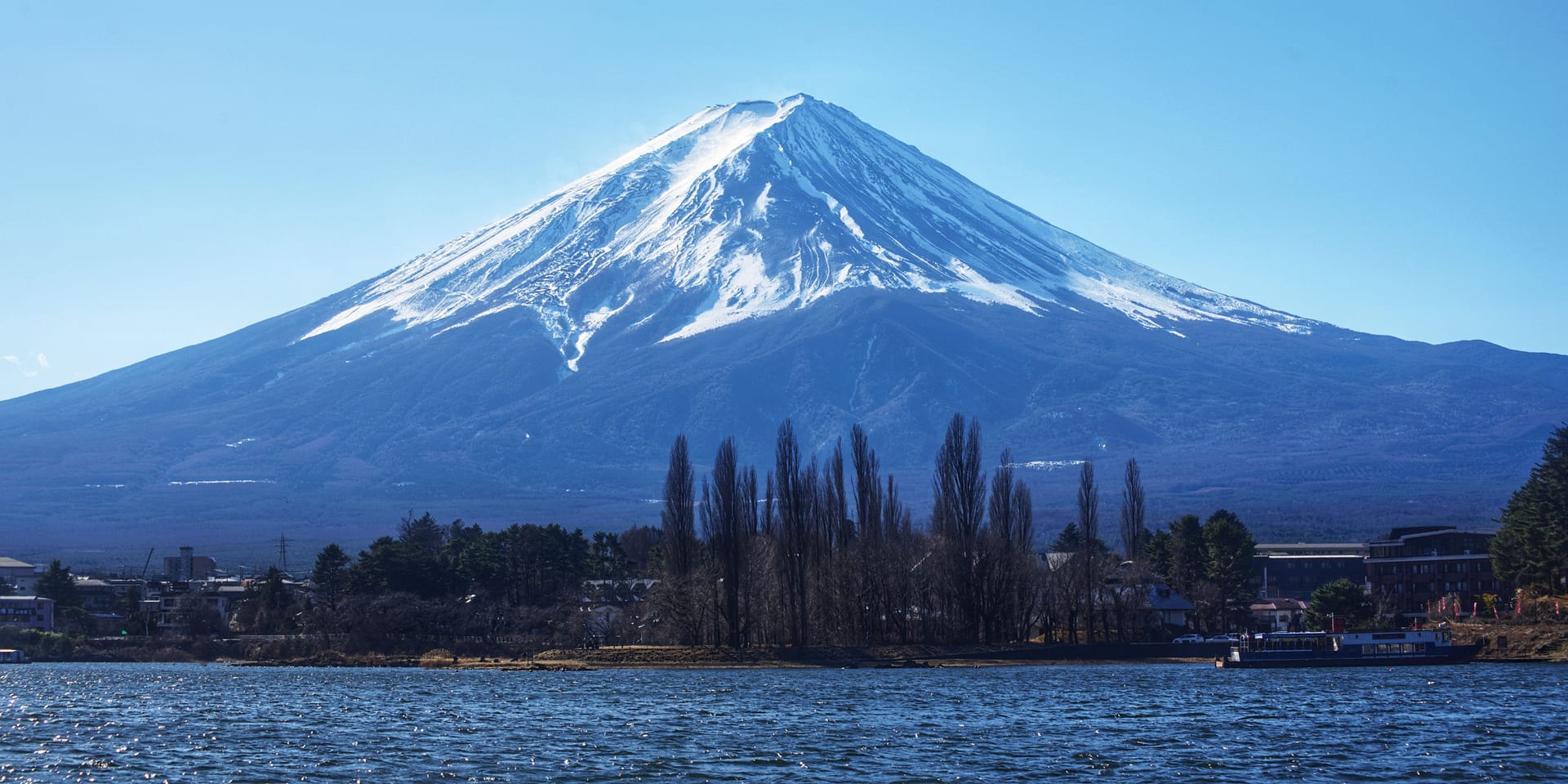
Mount Fuji
Mount Fuji views • Lake scenery • Shrines and pilgrimage history • Photography

Nagoya
Nagoya Castle and Hommaru Palace • Atsuta Jingu and the Kusanagi sword tradition • Hitsumabushi and miso katsu • Toyota and railway industrial heritage • A convenient Shinkansen stopover between Tokyo and Kyoto/Osaka
- •Hakone: Mt Fuji views, Onsen, Relaxation, Couples, Art
- •Mount Fuji: Mount Fuji views, Lake scenery, Shrines and pilgrimage history, Photography
- •Nagoya: Nagoya Castle and Hommaru Palace, Atsuta Jingu and the Kusanagi sword tradition, Hitsumabushi and miso katsu, Toyota and railway industrial heritage, A convenient Shinkansen stopover between Tokyo and Kyoto/Osaka
Frequently Asked Questions
Free Itinerary Builder
Build Your Own Takayama Itinerary
Choose Takayama attractions, organize them by day, and see opening hours, admission fees and your trip pace in one place.
Plan This Trip
Guides and tools for the parts of a Takayama trip that take the most planning
Ready to Experience Takayama?
Browse curated Japan itineraries, or build your own with our free planning tools.
Next: Explore all attractions in Takayama or browse nearby destinations.
Back to All Destinations →