Harbor View Park
By Andrew Liyan · Last updated: September 1, 2026 · Facts verified: September 1, 2026

- Area
- Naka-ku, Yokohama
- Best For
- Rose Gardens, Harbor Views, Photography, History
Visiting Harbor View Park
Harbor View Park, known in Japanese as Minato-no-Mieru Oka Koen (港の見える丘公園), is a free public garden park on the Yamate hillside above Motomachi in Yokohama. Reaching it from the surrounding streets requires a genuine uphill walk and stairs, not a flat waterfront stroll like nearby Yamashita Park. That climb is worth stating plainly up front, because it is the single biggest factor in deciding whether this elevated garden park fits into your Yokohama day.
The park's history reaches back to 1859, when the Port of Yokohama opened to foreign trade and the British Consul's Residence was built on this same hillside. From 1862 to 1875, the site formed part of the British military garrison camp overlooking the harbor, while the French garrison and consulate occupied the adjacent lower hill, an area still known today as France Hill. The land became a public park in October 1962, and its rose gardens were added later, growing into one of the park's defining features.
Above Motomachi's shopping streets, Harbor View Park is organized into distinct character zones rather than one continuous lawn. An observation plaza looks out toward Yokohama Bay Bridge and the harbor below, offering a height-based vantage point that neither Yamashita Park nor Osanbashi Pier can match at sea level. This view is free and the observation area is open 24 hours, though it is one feature within a larger garden park rather than a ticketed observation product like Yokohama Marine Tower.
The park's strongest draw is its rose gardens, which are also its most distinctive point of difference from Yamashita Park's own, smaller rose display. Three themed gardens, the English Rose Garden, the Garden of Fragrance, and the Rose and Cascade Garden, hold roughly 330 varieties between them, making Harbor View Park Yokohama's most extensive dedicated rose destination. The roses reach peak bloom during two windows each year, early to late May and again mid-October to mid-November. Outside those two periods the gardens are past or before their best, so a rose-focused visit needs to be timed to one of these windows rather than assumed to be available year-round.
Heritage architecture from the Yamate foreign-settlement era is the park's other major feature. The British House, a preserved former British consular-area residence, sits within the grounds, while the Osaragi Jiro Memorial Museum, dedicated to the Yokohama-born novelist, occupies its own building nearby and charges a small separate admission fee. Secondary sources put this at approximately 200 yen, though this figure was not independently confirmed against an official museum source, so confirm the current fee on-site before visiting rather than treating it as fixed. The France Hill sub-area preserves remnants of the former French Consulate and garrison and keeps its own, shorter operating hours that close earlier in the evening than the main park.
Harbor View Park is not for every Yokohama itinerary. Travelers who want the fastest, flattest route to a harbor photo are better served by Yamashita Park's waterfront promenade or Osanbashi Pier's free rooftop plaza, both accessible without a climb. Travelers who want a guaranteed, ticketed panoramic view regardless of the weather or time of year should choose Yokohama Marine Tower instead. Harbor View Park earns its place for travelers already exploring Chinatown, Motomachi, or Yamashita Park on foot who are willing to extend that walk uphill for gardens, heritage architecture, and a quieter atmosphere.
The atmosphere here is consistently quieter than Yamashita Park, Chinatown, or Osanbashi Pier, busiest only during the two rose bloom windows and at sunset when visitors gather for the evening harbor view. Paved paths and ramps make the main park area itself manageable once you have made the climb, and wheelchair-accessible restrooms are available, though the approach from street level remains a genuine barrier for visitors with mobility limitations or very tight schedules.
A visit to the park and rose gardens alone typically takes 45 minutes to 1.5 hours, extending to about 2 hours with a stop at the Osaragi Jiro Memorial Museum and a slower walk through France Hill. Motomachi-Chukagai Station on the Minatomirai Line, the same station that anchors Yamashita Park and Yokohama Chinatown, is the primary gateway, roughly a 5-minute uphill walk away.
Most visitors treat Harbor View Park as an uphill extension of an existing Chinatown, Motomachi, and Yamashita Park day rather than a standalone destination, walking down through Motomachi Shopping Street to reconnect with those three attractions afterward. Framed honestly, as a worthwhile addition rather than a replacement for the city's sea-level harbor views, Harbor View Park offers something none of Yokohama's other free viewpoints do: a genuinely elevated vantage, extensive rose gardens, and a tangible link to the city's 19th-century foreign-settlement history.
Things to Do at Harbor View Park
Explore Three Themed Rose Gardens
Harbor View Park's rose gardens are its most distinctive feature: the English Rose Garden, the Garden of Fragrance, and the Rose and Cascade Garden together hold roughly 330 varieties, making this Yokohama's most extensive dedicated rose destination. Peak bloom falls in two windows each year, early to late May and mid-October to mid-November.
Take In the View Toward Yokohama Bay Bridge
The park's observation plaza looks out across Yokohama Harbor toward Yokohama Bay Bridge, a height-based vantage point that is free to visit and open 24 hours. It offers a different kind of view than the sea-level promenades at Yamashita Park and Osanbashi Pier.
Visit the British House
This preserved former British consular-area residence sits within the park grounds and is one of the clearest surviving links to Yokohama's 19th-century foreign-settlement history, when the site was occupied by the British Consul's Residence and garrison from the 1860s.
Stop by the Osaragi Jiro Memorial Museum
Dedicated to the Yokohama-born novelist Osaragi Jiro, this museum sits within the park grounds and charges a small separate admission fee, reported at approximately ¥200 by secondary sources. Confirm the current fee on-site before visiting rather than treating it as fixed.
Walk Through France Hill's Heritage Remains
The park's western sub-area, known as France Hill, preserves remnants of the former French Consulate and French military garrison. It keeps its own, shorter operating hours that close earlier in the evening than the main park, so check current hours before planning an evening visit here specifically.
Learn the Yamate Foreign-Settlement History
The park's Yamate hillside setting was part of Yokohama's 19th-century foreign-settlement district, home to the British Consul's Residence following the 1859 opening of the Port of Yokohama and the British military garrison from 1862 to 1875. The park opened to the public in October 1962.
Photograph the Rose Gardens in Bloom
The rose gardens are the park's strongest photography opportunity during their two bloom windows, early to late May and mid-October to mid-November. Outside these windows, the gardens are worth a shorter visit rather than a dedicated photography trip.
Visit in the Evening for the Bay Bridge View
Because the observation area is open 24 hours, late afternoon into evening is a popular time to see Yokohama Bay Bridge and the harbor lit up. Note that the France Hill sub-area itself closes earlier in the evening, so this evening recommendation applies to the main observation area, not the France Hill sub-area.
Walk Downhill Through Motomachi Shopping Street
Motomachi Shopping Street connects the park downhill to Yokohama Chinatown and Yamashita Park, with cafes, bakeries, and boutiques along the way. Most visitors treat Harbor View Park as an uphill extension of a Chinatown and Yamashita Park day rather than a standalone destination.
Visit the Kanagawa Museum of Modern Literature Nearby
This literary museum sits near the park, adding a second literature-focused stop alongside the Osaragi Jiro Memorial Museum for visitors with a deeper interest in Japanese letters.
Relax on Benches in a Quieter Garden Park
Harbor View Park is consistently quieter than Yamashita Park, Chinatown, or Osanbashi Pier, busiest only during the rose bloom windows and at sunset. Benches throughout the grounds make it an easy place to pause on a longer Yokohama walking day.
Weigh It Against Yamashita Park, Osanbashi Pier, and Yokohama Marine Tower
Harbor View Park is not a replacement for the city's sea-level harbor views. Yamashita Park and Osanbashi Pier both offer a flat, easy route to a free harbor photo, while Yokohama Marine Tower offers a guaranteed, ticketed panorama. Harbor View Park earns the uphill effort through its rose gardens, elevated vantage, and heritage architecture instead, not by competing for the same flat, fast view.
How to Get to Harbor View Park
Harbor View Park sits on the Yamate hillside above Motomachi, reached by a genuine uphill walk from the nearest station-level streets, not a flat approach like Yamashita Park or Yokohama Chinatown.
From Motomachi-Chukagai Station
Motomachi-Chukagai Station on the Minatomirai Line is the primary gateway, the same station that anchors Yamashita Park and Yokohama Chinatown. From the station, it is approximately a 5-minute walk to the park, but this walk includes a genuine uphill climb and stairs from street level, not a flat stroll.
From Ishikawacho Station
Ishikawacho Station on the JR Negishi Line offers an alternate, JR-side approach, though it is a longer walk of approximately 20 minutes. This route is a useful option for travelers already using a JR-covered route who want to avoid the separate Minatomirai Line fare.
Walking Down to Motomachi, Chinatown, and Yamashita Park
Motomachi Shopping Street connects the park downhill to Yokohama Chinatown and Yamashita Park, both existing ExploreJapanDaily guides. Most visitors walk this route in the downhill direction, treating Harbor View Park as the uphill start or end point of a longer Chinatown, Motomachi, and Yamashita Park day.
What to Expect on the Climb
The approach from street level involves stairs and an inclined paved path, a genuine barrier for visitors with mobility limitations or very tight schedules. Some secondary sources mention a lift or elevator option for part of the climb, but this was not independently confirmed for this guide, so plan for stairs and a paved incline as the default route. Once inside the main park area, paths are paved and include ramps, with wheelchair-accessible restrooms available.
Best Time to Visit
Time a rose-focused visit to one of the two bloom windows, early to late May or mid-October to mid-November. For the harbor view, late afternoon into evening is popular since the observation area is open 24 hours, though the separate France Hill sub-area closes earlier in the evening than the main park.
Best Time to Visit Harbor View Park
Rose bloom: early to late May and mid-October to mid-November; late afternoon into evening for the Bay Bridge view.
The park's three themed rose gardens, English Rose Garden, Garden of Fragrance, and Rose and Cascade Garden, reach peak bloom during this window, Harbor View Park's strongest seasonal draw.
A second bloom window brings the rose gardens back to their best, with cooler weather making the uphill walk more comfortable than in midsummer.
Entry Fee & Hours
- •The Osaragi Jiro Memorial Museum, located within the park grounds, charges a small separate admission fee. Secondary sources put this at approximately ¥200, but this figure was not independently confirmed against an official museum source during research, so confirm the current fee before visiting rather than treating it as fixed.
- •The main park area has paved paths, ramps, and wheelchair-accessible restrooms. Reaching the park from the surrounding streets involves a genuine uphill walk and stairs from street level; this is not a flat waterfront stroll like Yamashita Park. Some secondary sources mention a lift or elevator option for part of the climb, but this was not independently confirmed, so plan for stairs and an inclined paved path as the default route.
Nearby Attractions
Combine with Harbor View Park on the same day
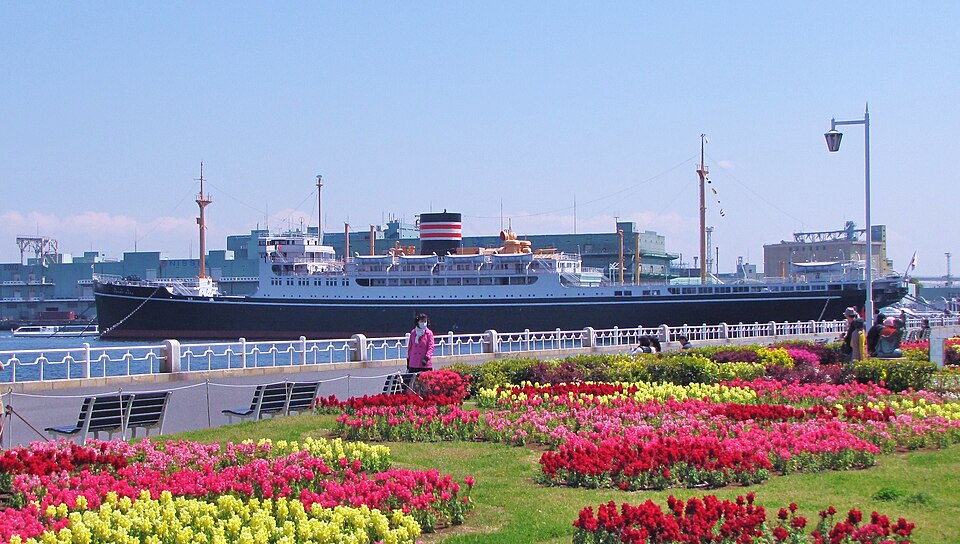
Yamashita Park

Yokohama Chinatown

Osanbashi Pier

Yokohama Marine Tower
Frequently Asked Questions
Planning Your Yokohama Trip?
See the full Yokohama destination guide or browse Japan itineraries that include this city.
See all Nature & Scenic Spots across Japan →