Yamashita Park
ExploreJapanDaily Editorial Team · Last updated: September 1, 2026 · Facts verified: September 1, 2026
- Area
- Naka-ku, Yokohama
- Best For
- Waterfront views, Walking, Photography, Roses
Visiting Yamashita Park
Yamashita Park is one of Yokohama's most beloved public spaces, a waterfront promenade where sea views, landscaped gardens, and the city's maritime heritage come together in a setting that feels both relaxing and distinctly urban. Stretching along Yokohama Bay in the heart of the city's historic harbor district, the park offers visitors a chance to slow down, enjoy the waterfront atmosphere, and experience a different side of one of Japan's largest cities. For many travelers, Yamashita Park serves as the perfect introduction to Yokohama, combining open space, historical significance, and some of the city's most recognizable views.
Unlike many parks in Japan that are centered around temples, castles, or traditional gardens, Yamashita Park is defined by its relationship with the sea. The wide pathways run alongside the waterfront, creating uninterrupted views across Yokohama Bay. Ships move through the harbor, sea breezes drift across the promenade, and the skyline of the city rises in the distance. The result is an environment that feels more connected to the world beyond Japan's shores than many other urban parks in the country.
The history of Yamashita Park is closely tied to the development of modern Yokohama. The park was created in 1930 using debris from the devastating Great Kanto Earthquake of 1923, which caused widespread destruction throughout the region. Rather than allowing the damaged land to remain unused, Yokohama transformed part of its waterfront into a public space that would become one of the city's defining landmarks. This history gives the park a deeper significance, representing both recovery and the enduring relationship between Yokohama and the sea.

Walking through Yamashita Park reveals a carefully balanced blend of natural beauty and urban scenery. Flower beds, mature trees, open lawns, fountains, sculptures, and waterfront viewpoints are arranged in a way that encourages visitors to linger rather than rush through. The park's design emphasizes openness and accessibility, making it equally appealing for a leisurely stroll, a quiet moment overlooking the bay, or simply a break from sightseeing. Despite being located in the center of a major city, the atmosphere often feels surprisingly calm.
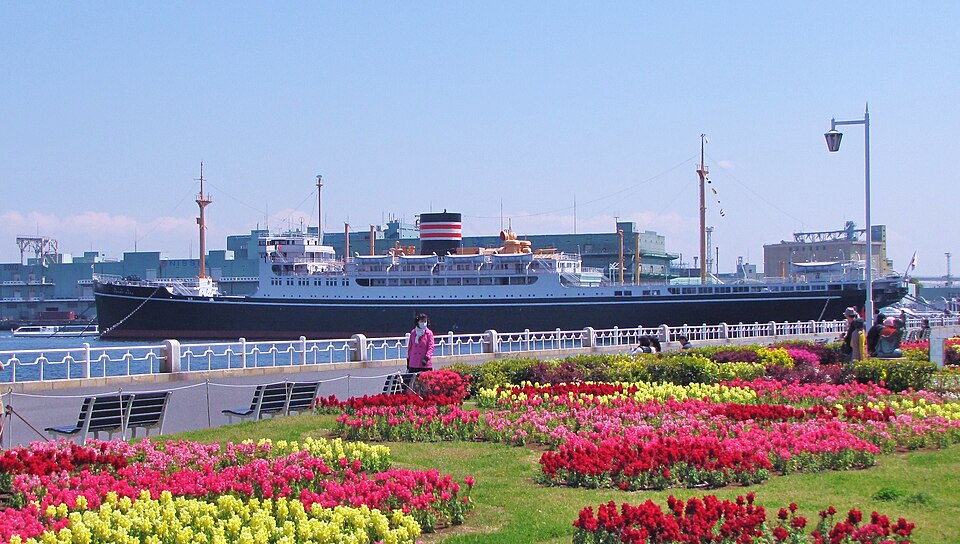
One of the park's most distinctive features is its collection of maritime landmarks. The historic ocean liner Hikawa Maru, permanently moored alongside the park, serves as a reminder of Yokohama's role as an international port connecting Japan with the wider world. The ship's elegant silhouette has become one of the most recognizable sights along the waterfront. Together with views of Yokohama Bay, nearby piers, and passing vessels, it reinforces the sense that Yamashita Park is inseparable from the city's maritime identity.

The surrounding area adds another layer to the experience. Yamashita Park sits between several of Yokohama's most popular districts and attractions, including Yokohama Chinatown, Osanbashi Pier, Motomachi, and the modern Minato Mirai waterfront. This location allows visitors to experience multiple sides of Yokohama within a relatively compact area. A walk through the park often becomes part of a broader exploration of the city, linking historic neighborhoods with contemporary urban developments and scenic waterfront spaces.
Seasonal changes bring subtle but meaningful differences to the park throughout the year. Spring introduces colorful flower displays and blooming trees that brighten the waterfront. Summer brings longer daylight hours and a lively atmosphere as residents and visitors gather along the bay. Autumn offers comfortable temperatures and softer colors, while winter often provides crisp, clear views across the harbor. The park's connection to the water ensures that it remains visually appealing regardless of the season.

As day transitions into evening, Yamashita Park takes on an entirely different character. The harbor lights begin to glow, ships illuminate the waterfront, and the skyline of Minato Mirai creates a striking backdrop against the darkening sky. Reflections shimmer across the bay while visitors gather along the promenade to enjoy the changing atmosphere. Many travelers find this period particularly memorable, as the combination of city lights and waterfront scenery highlights Yokohama's reputation as one of Japan's most attractive harbor cities.
For photography enthusiasts, the park offers countless opportunities to capture the character of Yokohama. The combination of open bay views, historic ships, flower gardens, modern architecture, and waterfront promenades creates a variety of perspectives within a relatively small area. Sunrise, sunset, and nighttime illumination each provide distinct moods, making Yamashita Park a rewarding destination for photographers throughout the day.
What ultimately makes Yamashita Park special is its ability to represent the spirit of Yokohama itself. It reflects the city's maritime history, international connections, urban development, and commitment to creating welcoming public spaces. Rather than focusing on a single attraction, the park invites visitors to appreciate the broader relationship between the city and the sea. Whether arriving for a quiet walk, a scenic viewpoint, or a deeper understanding of Yokohama's history, travelers often leave with a stronger connection to the city and a greater appreciation for its waterfront heritage. For anyone exploring Yokohama, Yamashita Park remains one of the most enjoyable and enduring places to experience the character of this remarkable port city.
Things to Do at Yamashita Park
How to Get to Yamashita Park
Yamashita Park is located along Yokohama Harbor near Yokohama Chinatown and other major waterfront attractions.
- •Nearest station: Motomachi-Chukagai Station (Minato Mirai Line)
- •IC cards (Suica, Pasmo, or ICOCA) are accepted on trains, subways, and buses throughout Japan. Tap in and out at every gate.
- •Avoid traveling during rush hour on weekdays: 7am to 9am and 5pm to 8pm. Trains are significantly more crowded.
- •Google Maps provides accurate real-time transit directions in Yokohama. Download offline maps before you arrive.
Map
Best Time to Visit Yamashita Park
Best time to visit Yamashita Park: Late afternoon into sunset for harbor views; May-June and mid-October to early November for rose blooms. Weekday mornings are generally quieter than weekends and public holidays.
- •Best time to visit: Late afternoon into sunset for harbor views; May-June and mid-October to early November for rose blooms
- •Arriving on a weekday morning avoids the largest crowds. Weekends and public holidays are significantly busier.
- •Spring (late March to early May) and autumn (October to November) are the most popular seasons for visiting Yokohama.
- •Golden Week (late April to early May) is the busiest week of the year in Japan. Book accommodation and tickets well in advance.
The park's rose garden reaches peak bloom during these two windows, one of Yamashita Park's most photographed seasonal features.
Entry Fee & Hours
- •The park's waterfront promenade is flat, wide, and paved with no steps or steep slopes, making it one of the more accessible outdoor spaces in Yokohama for wheelchairs and strollers.
- •The Hikawa Maru ocean liner moored beside the park charges separate admission for its interior exhibits and has limited accessibility due to the ship's original stairways and door thresholds.
Nearby Attractions
Combine with Yamashita Park on the same day

Yokohama Chinatown

Yokohama Marine Tower

Osanbashi Pier

Yokohama Red Brick Warehouse

Minato Mirai 21

NYK Hikawa Maru
- •Yokohama Chinatown (Approx. 5 minutes walk): Asia's largest Chinatown, packed with hundreds of restaurants, shops, and ornate ceremonial gates.
- •Yokohama Marine Tower (Approx. 3 minutes walk): A 106-meter former lighthouse turned observation tower beside Yamashita Park, with harbor views by day and a projection-art Media Art Gallery by night.
- •Osanbashi Pier (Approx. 10 minutes walk): A free, 24-hour public rooftop deck and working cruise terminal in Yokohama, known for its wave-shaped wooden "Whale's Back" walkway and open harbor views.
- •Yokohama Red Brick Warehouse (Approx. 15 minutes walk): Two preserved early-1900s customs warehouses on Yokohama's waterfront, now a free-to-enter complex of shops, restaurants, galleries, and seasonal events.
- •Minato Mirai 21 (Approx. 20 minutes walk): Yokohama's futuristic waterfront district, home to Landmark Tower, the Cosmo Clock Ferris wheel, and a scenic harbor promenade.
- •NYK Hikawa Maru (Adjacent, moored at the park's edge): A preserved 1930 transpacific ocean liner and National Important Cultural Property moored beside Yamashita Park, with restored art deco interiors open for a low-cost self-guided tour.
Suggested Itinerary
Pair Yamashita Park with these nearby stops for a full day in Naka-ku, Yokohama.
Frequently Asked Questions
Planning Your Yokohama Trip?
See the full Yokohama destination guide or browse Japan itineraries that include this city.
See all Nature & Scenic Spots across Japan →Explore all attractions in Yokohama or browse nearby destinations.
Back to Yokohama Guide →