10 Days
Best for: Nature
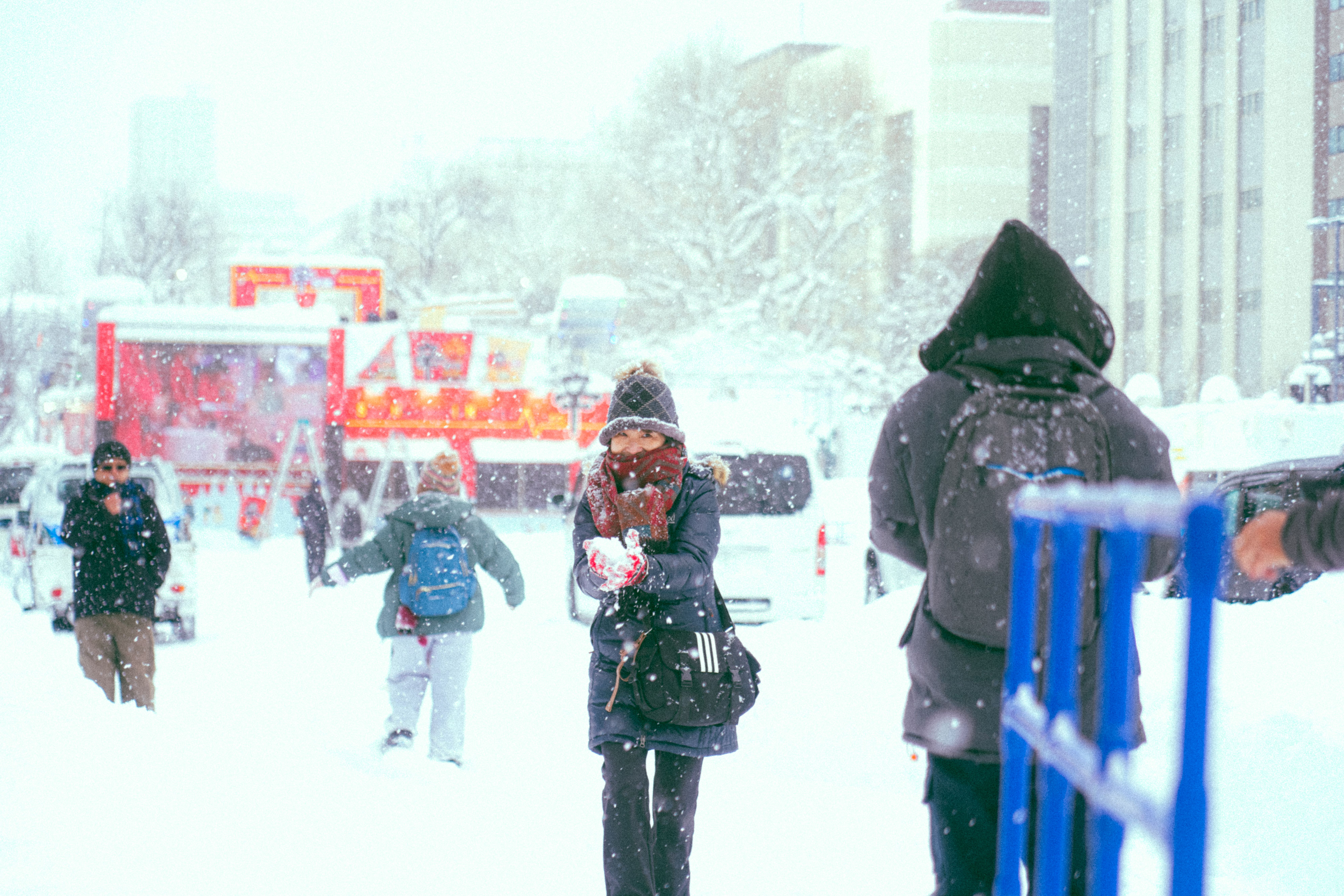
Hokkaido in Winter: The 10-Day Snow Route
Sapporo, Niseko, and Hakodate for snow festivals, skiing, and seafood
#Mid-Range
From$2,900/person
Explore Hokkaido in Winter →
Sapporo, lavender fields in Furano and Biei, and the bay views of Hakodate
Most Hokkaido itineraries lean into winter, snow festivals, powder skiing, and steaming onsen against a white backdrop. This route covers the island in its other season, the rolling lavender fields of Furano, the patchwork farmland of Biei, and the bay views of Hakodate, all at a pace built around driving and walking rather than ski lifts.
Expect a rental-car-friendly stretch through Furano and Biei (rural buses run, but a car gives far more flexibility), bookended by city time in Sapporo and Hakodate. If you've already done hokkaido-winter-10-days, this is the natural second Hokkaido trip.
What you need to know: 10 Days, $2,700-$7,100 per person, best in Summer or Autumn, covering Sapporo, Furano, Biei, Hakodate with a mix of JR trains and regional transport.
2
Farm Tomita's lavender fields and the rolling Furano countryside
1
The Patchwork Road, the Blue Pond, and the Asahiyama Zoo
4
The Mount Hakodate night view, the morning market, and Goryokaku Fort
Japan's only beer museum, housed in a red-brick former brewery, with tastings included.
Rolling rows of lavender and other flowers in full bloom through July, one of the most photographed scenes in Hokkaido.
Rolling farmland in a patchwork of crop colors, dotted with solitary trees made famous by Hokkaido tourism campaigns.
Consistently ranked among the best zoos in Japan, known for its penguin walks and naturalistic enclosures.
A ropeway ride up to a night view ranked among the three best in Japan, overlooking the city's hourglass-shaped peninsula.
A sprawling seafood market where you can have your pick of fresh catch grilled or served as a rice bowl on the spot.
Every day. Every stop. Real costs, real transport times, honest opinions.
Land at New Chitose Airport and take the rapid train into central Sapporo.
A narrow alley packed with tiny ramen counters, the classic introduction to Sapporo's miso ramen.
Where to Stay Tonight
Susukino / Odori
A centrally located hotel near Odori Park.
Don't Miss Eating
Sapporo miso ramen
Hokkaido's signature ramen style, rich miso broth topped with butter and corn.
A long, leafy boulevard running through the center of the city, the site of Sapporo's major seasonal festivals.
Japan's only beer museum, housed in a red-brick former brewery, with tastings included in the visit.
Where to Stay Tonight
Susukino / Odori
Same hotel as Day 1.
Don't Miss Eating
Genghis Khan grilled lamb
Hokkaido's distinctive grilled-lamb dish, often paired with a glass of Sapporo beer.
A scenic former industrial canal lined with gas lamps and converted warehouses, one of Hokkaido's most photogenic streets.
A compact seafood market known for some of the best fresh uni and sushi in Hokkaido.
Where to Stay Tonight
Susukino / Odori
Same hotel as Day 1.
Don't Miss Eating
Fresh uni and sushi at Otaru Sankaku Market
Some of the freshest sea urchin in Japan, sold directly from the market's fishmonger stalls.
Travel south into the central Hokkaido countryside, by rental car for flexibility or the Furano Line train.
Rolling rows of lavender and other flowers in full bloom through July, one of the most photographed scenes in Hokkaido.
Where to Stay Tonight
Farm Tomita area
A countryside hotel or pension near Furano.
Don't Miss Eating
Furano melon
One of Hokkaido's most prized seasonal fruits, sold fresh from roadside stands throughout the region.
A cluster of small wooden cabin shops set in a forest, a quieter, craft-focused morning activity.
A visit to a local cheese factory or winery, both well-developed cottage industries in the Furano basin.
Where to Stay Tonight
Farm Tomita area
Same hotel as Day 4.
Don't Miss Eating
Lavender soft-serve
A regional novelty soft-serve flavored with Furano-grown lavender.
Rolling farmland in a patchwork of crop colors, dotted with solitary trees, plus a short stop at the strikingly blue Shirogane Blue Pond.
Consistently ranked among the best zoos in Japan, known for its penguin walks and naturalistic, behavior-focused enclosures.
Where to Stay Tonight
Asahiyama Zoo area
A hotel in central Asahikawa.
Don't Miss Eating
Asahikawa shoyu ramen
Asahikawa's own ramen style, a lighter soy-sauce-based broth distinct from Sapporo's miso version.
Travel south to Hakodate, connecting via Sapporo if returning a rental car.
A ropeway ride up to a night view ranked among the three best in Japan, overlooking the city's hourglass-shaped peninsula.
Where to Stay Tonight
Motomachi / Bay Area
A hotel in Hakodate's historic bay area.
Don't Miss Eating
Morning market seafood don
A rice bowl topped with fresh sea urchin, crab, and salmon roe, the signature Hakodate breakfast.
A sprawling seafood market where you can have your pick of fresh catch grilled or served as a rice bowl on the spot.
A hillside neighborhood of Western-influenced architecture from Hakodate's 19th-century port-opening era.
Where to Stay Tonight
Motomachi / Bay Area
Same hotel as Day 7.
Don't Miss Eating
Hakodate salt ramen
Hakodate's own ramen style, a clear, salt-based broth distinct from Sapporo and Asahikawa's versions.
A star-shaped Western-style fort built in the 1860s, best appreciated from its observation tower.
A cluster of converted red-brick warehouses along Hakodate's harbor, now shops, cafes, and small museums.
Where to Stay Tonight
Motomachi / Bay Area
Same hotel as Day 7.
Don't Miss Eating
Lucky Pierrot burger
A beloved Hakodate-only burger chain, a local institution found nowhere else in Japan.
A relaxed final morning, with time for a second pass through the Morning Market for souvenirs.
Transfer to Hakodate Airport for your flight home or onward connection.
Where to Stay Tonight
N/A
Departure day, no overnight stay.
Don't Miss Eating
Ikameshi (squid stuffed with rice)
A regional ekiben specialty, a good last taste of Hokkaido for the journey home.
Travel entirely by JR train between Sapporo, Furano, Biei, Hakodate. A 7, 14, or 21-day Japan Rail Pass covers every inter-city leg.
| Route | Transport | Time | Cost | JR Pass? |
|---|---|---|---|---|
| Sapporo → Furano | JR Furano Line / Kaminayoro Line (transfer at Takikawa or Asahikawa) | 2h | ¥4,700 (~$31) | Yes |
| Furano → Biei | JR Furano Line local train | 40m | ¥640 (~$4) | Yes |
| Biei → Hakodate | JR Sekihoku/Hakodate Main Line (transfer at Asahikawa/Sapporo) | 5h | ¥11,000 (~$73) | Yes |
A Japan Rail Pass isn't recommended for this route: point-to-point tickets or a regional pass usually cost less.
See current JR Pass pricing →All figures below are per person, based on double-occupancy accommodation. Flights are from US/Canada.
| Category | Budget | Mid-RangeMost Popular | Luxury |
|---|---|---|---|
| Flights | $750 | $1,100 | $1,900 |
| Accommodation | $800 | $1,200 | $2,200 |
| Food & Drink | $350 | $520 | $950 |
| Local Transport | $300 | $430 | $750 |
| Activities & Entrance Fees | $500 | $750 | $1,300 |
| Total | $2,700 | $4,000 | $7,100 |
Last verified: 2026-07-06. Costs are estimates per person. Exchange rate used: JPY 150 = $1 USD.
Renting a car for the Furano and Biei leg is significantly more flexible than relying on the limited local bus schedule, and most rental counters are available at New Chitose Airport or Asahikawa Station.
Lavender peaks in mid-to-late July, book Furano accommodation early if that window matters to your trip.
Pack for a heavy-walking trip in Summer or Autumn. See our full seasonal packing guide for a day-by-day checklist.
Full packing guide →This route is built for Summer and Autumn (June, July, August, September, October, November).
Compare seasons →Best for: Nature
Sapporo, Niseko, and Hakodate for snow festivals, skiing, and seafood
From$2,900/person
Explore Hokkaido in Winter →
Best for: Repeat Visitor
Kanazawa, Takayama, sacred Koyasan, and the art island of Naoshima
From$3,400/person
Explore Off the Beaten Path →
Best for: Repeat Visitor
Fukuoka ramen, Nagasaki history, an active volcano in Kagoshima, and Beppu's hot springs
From$2,600/person
Explore Kyushu in 10 Days →