
21 Days

Kanazawa is the capital of Ishikawa Prefecture on Japan's Sea of Japan coast, about two and a half hours from Tokyo on the Hokuriku Shinkansen and roughly two hours from Kyoto or Osaka with a single transfer. Spared the wartime bombing that flattened much of urban Japan, it kept an unusually large share of its Edo-period layout intact: a moated castle, one of the country's three great gardens directly across from it, and two historic geisha districts still built from real early-19th-century wood rather than postwar reconstruction. For travelers who want the atmosphere of old Kyoto without Kyoto's crowds, Kanazawa is usually the city people mean. The Maeda clan ruled Kanazawa for over two and a half centuries as the wealthiest feudal domain in Japan outside the Tokugawa shogunate itself, and that wealth built Kenroku-en Garden, one of the "three great gardens" of Japan alongside Kairaku-en and Koraku-en, along with a castle complex that, despite losing its central keep to fire in 1602, still impresses through its reconstructed turrets and surviving Edo-period gate. The same wealth funded crafts the city is still known for: gold leaf production, which Kanazawa dominates almost completely nationwide, and a distinct local cuisine built around the Sea of Japan's seafood, most visibly at Omicho Market, the 300-year-old covered market locals still call the city's kitchen. Kanazawa also carries a more contemporary reputation, largely due to the 21st Century Museum of Contemporary Art, a circular glass building designed by SANAA that opened in 2004 and quickly became one of the most visited contemporary art museums in the country, its free public zone and Leandro Erlich's Swimming Pool installation drawing visitors who might otherwise skip a city known mainly for its Edo-period history. That mix, centuries-old gardens and gates alongside a genuinely significant modern museum within walking distance of each other, is part of what makes Kanazawa feel like more than a heritage detour. Most visitors reach Kanazawa on the Hokuriku Shinkansen, either as a dedicated stop or as part of a loop connecting Tokyo with Kyoto or Osaka via the Sea of Japan coast rather than the more heavily traveled Tokaido route. A day is enough to see the castle, garden, and one of the chaya districts, but two days lets you add the market, the museum, and time to actually sit in a teahouse rather than just walk past one.
•11 min read
The must-see sights, ranked by traveler impact
View all Kanazawa attractions →
Marunouchi, Kanazawa

Kenrokumachi, Kanazawa

Higashiyama, Kanazawa

Kamiomicho, Kanazawa

Hirosaka, Kanazawa
Quick Answer
Kanazawa pairs an unusually well-preserved Edo-period castle town, including one of Japan's three great gardens and a historic geisha district, with one of the country's most visited contemporary art museums, all within walking distance and with far fewer crowds than Kyoto.
Kanazawa is worth visiting because it preserves an unusually complete picture of Edo-period Japan, castle, garden, and geisha districts all standing largely as they were two centuries ago, while also holding one of the country's most significant contemporary art museums within walking distance of all of it.
The city escaped the aerial bombing that destroyed much of urban Japan during the Second World War, largely because it held little industrial or military significance compared to Tokyo, Osaka, or Nagoya. That accident of history means Kanazawa's historic core survived intact in a way few Japanese cities can match. Kenroku-en Garden, landscaped by the Maeda lords over roughly two centuries and completed in its present form in the 1840s, is genuinely one of Japan's three great gardens rather than a marketing label, and Kanazawa Castle across the road, though missing its original keep, retains an Edo-period gate and reconstructed turrets built with the same joinery techniques as the originals.
The city's two surviving chaya (teahouse) districts, Higashi Chaya and the smaller Nishi and Kazuemachi districts, offer something Kyoto's more famous Gion struggles to provide at the same scale: buildings that are actually original rather than restored for tourism, including the Shima Teahouse, preserved as a museum with its Edo-period geiko performance rooms left largely untouched. Kanazawa's gold leaf industry, which supplies nearly all of Japan's gold leaf, grew directly out of the wealth and craft culture the Maeda domain cultivated, and it's now visible throughout the city in everything from temple ornamentation to gold-leaf soft-serve ice cream.
Food is a major draw in its own right. Omicho Market has operated on roughly the same site since 1721, and its position on the Sea of Japan coast gives Kanazawa access to winter crab, particularly Kanazawa crab and the smaller Kobako crab, considered among the best in the country. Kaga cuisine more broadly, built around this seafood along with the region's certified heirloom vegetables, gives Kanazawa a food identity distinct from the ramen and street-food reputations of bigger cities.
What sets Kanazawa apart from other well-preserved historic Japanese cities, though, is that it isn't purely a heritage destination. The 21st Century Museum of Contemporary Art, designed by the Pritzker Prize-winning firm SANAA and opened in 2004, draws visitors on its own merits, not as an afterthought to the castle and garden next door. Its free public zone, including Leandro Erlich's widely photographed Swimming Pool installation, has made the museum one of Japan's most visited, and its presence directly across from Kenroku-en means a single afternoon can move between a 19th-century garden and a 21st-century art installation without changing neighborhoods.
Kanazawa's location also makes it a natural fit for travelers building an itinerary beyond the standard Tokyo-Kyoto-Osaka route. Sitting on the Hokuriku Shinkansen roughly midway between Tokyo and the Kansai region via a transfer at Tsuruga, it works as a dedicated one- or two-day stop, a base for exploring the Noto Peninsula or the nearby thatched-roof villages of Shirakawa-go and Gokayama, or a way to see a genuinely different side of Japan's coast without straying far from the main rail network.
Quick Answer
Kanazawa is about 2 hours 27-30 minutes from Tokyo on the direct Kagayaki Shinkansen, and about 2 hours from Kyoto or Osaka via a single transfer to the Hokuriku Shinkansen at Tsuruga. Komatsu Airport connects to Kanazawa Station in 40-45 minutes by direct bus.
Kanazawa sits on the Hokuriku Shinkansen line on Japan's Sea of Japan coast, reachable directly from Tokyo without a transfer, and from Kyoto or Osaka with a single change of trains at Tsuruga.
Komatsu Airport (KMQ)
Tokyo (Narita/Haneda) via Shinkansen
Kanazawa Station is known for the Tsuzumi-mon Gate, a wooden structure named after a traditional hand drum, and the glass-and-steel Motenashi Dome that shelters the plaza in front of it, both frequently photographed on their own. The station serves the Hokuriku Shinkansen and JR conventional lines, and its east gate is the departure point for the Kanazawa Loop Bus, which handles most sightseeing routes around the city. From here, you can easily reach:
Recommended
For most visitors, the Hokuriku Shinkansen is the easiest way in, whether as a direct trip from Tokyo or as a single-transfer connection from Kyoto or Osaka via Tsuruga. Once in the city, the Kanazawa Loop Bus from the station's east gate reaches every major sight without needing a car or taxi.
Quick Answer
Spring (late March-April) for cherry blossoms and autumn (October-November) for foliage and thinner crowds are Kanazawa's most comfortable seasons. Its coastal position gives it wetter, snowier winters than Tokyo or Nagoya.
The best time to visit Kanazawa is spring (late March through April) or autumn (October and November), when mild temperatures suit walking between the castle, garden, and chaya districts, and Kenroku-en's seasonal highlights, cherry blossoms in spring and foliage in autumn, are at their peak. Kanazawa's coastal position on the Sea of Japan gives it heavier winter precipitation than Pacific-side cities like Tokyo or Nagoya, though at lower elevations than Hokkaido or the mountainous interior.
Cherry blossoms typically bloom from late March to early April, with Kenroku-en and the moat around Kanazawa Castle among the most photographed viewing spots in the city.
Popular cherry blossom locations include:
Temperatures generally range from 46°F-66°F (8°C-19°C), making spring one of the most comfortable seasons for walking the city's historic core on foot.
June brings Japan's rainy season to Kanazawa, and July and August bring the year's hottest, most humid conditions, with the Sea of Japan coast's moisture adding to the discomfort compared to some inland cities.
Temperatures often range from 72°F-88°F (22°C-31°C), with high humidity making it feel warmer.
Kenroku-en's free early-morning entry, open as early as 4:00 AM in summer, is one of the more comfortable ways to see the garden before the heat builds through the day, and the covered arcades at Omicho Market and Higashi Chaya offer shaded relief during the hottest hours.
Many visitors consider autumn Kanazawa's most comfortable season. Humidity drops steadily through October, and foliage around Kenroku-en's Kasumigaike pond and Kanazawa Castle's Gyokusen'inmaru Garden peaks in mid-to-late November, timed closely with the installation of Kenroku-en's yukitsuri pine-rope supports.
Temperatures generally range from 48°F-70°F (9°C-21°C).
Autumn combines comfortable walking weather with noticeably thinner crowds than the spring cherry blossom season, particularly on weekdays.
Kanazawa's winters are colder and considerably wetter than Tokyo's or Nagoya's, with regular snowfall and a local reputation for changeable weather. That said, winter is also when Kenroku-en's snow-dusted, rope-supported pines and Kanazawa Castle's illuminated Gyokusen'inmaru Garden are at their most photogenic, and it's peak season for Kanazawa and Kobako crab at Omicho Market.
Temperatures typically range from 32°F-45°F (0°C-7°C).
Winter highlights include:
Golden Week brings some of the year's heaviest domestic travel nationwide, and Kanazawa's compact historic core feels the crowding more than larger cities.
Kanazawa's Sea of Japan coastal position means the rainy season here tends to bring more consistent rainfall than Pacific-coast cities, which can make walking between the castle, garden, and chaya districts less comfortable.
For the best combination of weather and sightseeing conditions, visit Kanazawa during:
For most first-time visitors, October and November offer the best overall experience, combining comfortable temperatures, low humidity, and clear conditions for walking between Kenroku-en, the castle, and the chaya districts. Spring is a close second for travelers hoping to combine cherry blossoms with a Kanazawa stop on a broader Hokuriku or Tokyo-Kyoto itinerary.
Quick Answer
The Kanazawa Station area is the best base for most first-time visitors, with the city's main Shinkansen connections and Loop Bus hub. Katamachi and Korinbo suit nightlife and food, Higashiyama suits travelers prioritizing traditional atmosphere, and the Kenrokuen and Castle area suits those prioritizing proximity to the main sights.
The best areas to stay in Kanazawa are around Kanazawa Station, Katamachi and Korinbo downtown, Higashiyama near the chaya districts, and the Kenrokuen and Castle area, each suiting a different travel style. Kanazawa's compact center means most neighborhoods sit within a 15-20 minute walk or a short Loop Bus ride of each other.
Best for: Shinkansen & Loop Bus access
Best for: Nightlife & downtown shopping
Best for: Traditional atmosphere
Best for: Proximity to main sights
Easy day trips or next stops from Kanazawa

Mt Fuji views • Onsen • Relaxation • Couples • Art
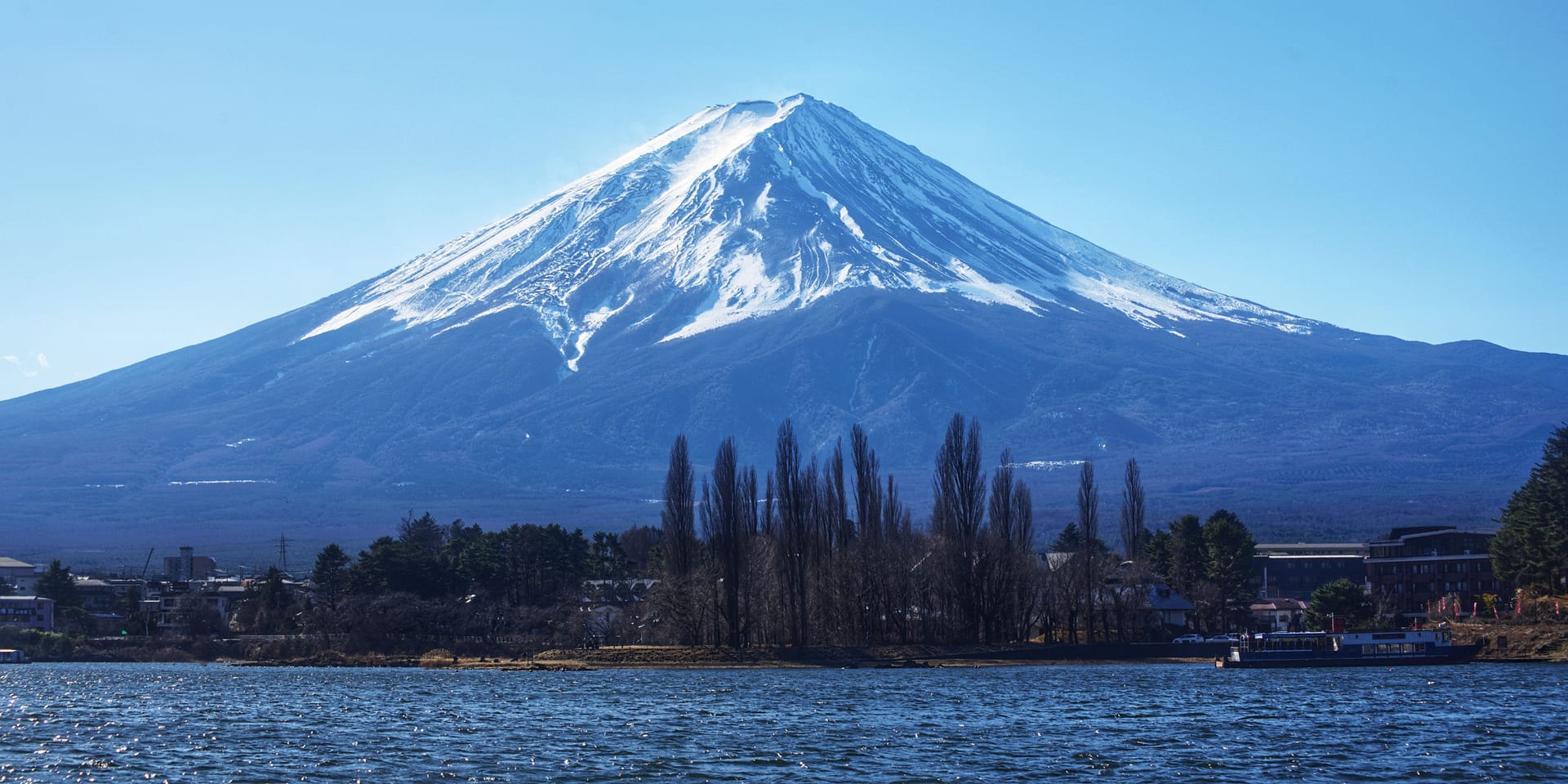
Mount Fuji views • Lake scenery • Shrines and pilgrimage history • Photography

Nagoya Castle and Hommaru Palace • Atsuta Jingu and the Kusanagi sword tradition • Hitsumabushi and miso katsu • Toyota and railway industrial heritage • A convenient Shinkansen stopover between Tokyo and Kyoto/Osaka
Day-by-day Japan routes that include Kanazawa


Best for: Repeat Visitor
Kanazawa, Takayama, sacred Koyasan, and the art island of Naoshima
From$3,400/person
View Kanazawa route →Free Itinerary Builder
Choose Kanazawa attractions, organize them by day, and see opening hours, admission fees and your trip pace in one place.
Guides and tools for the parts of a Kanazawa trip that take the most planning
Browse curated itineraries that include Kanazawa, or build your own with our free planning tools.
Next: Explore all attractions in Kanazawa or browse nearby destinations.
Back to All Destinations →