Hakone Hot Springs
ExploreJapanDaily Editorial Team · Last updated: June 28, 2026

- Area
- Hakone-Yumoto
- Best For
- Relaxation, Onsen, Couples, Wellness
Visiting Hakone Hot Springs
Hakone Hot Springs is one of Japan's most celebrated onsen destinations, a region where volcanic landscapes, traditional hospitality, mountain scenery, and centuries-old bathing culture come together just beyond the reach of Tokyo. Nestled within the mountains of Kanagawa Prefecture, Hakone has welcomed travelers seeking rest and rejuvenation for hundreds of years. Today, it remains one of the country's most popular hot spring regions, attracting visitors from across Japan and around the world who come to experience the unique combination of natural beauty, cultural heritage, and therapeutic mineral waters that define the area.
The story of Hakone Hot Springs is closely tied to the volcanic activity that shaped the region itself. Situated within the Hakone volcanic zone, the area benefits from geothermal energy that heats underground mineral-rich waters before they emerge naturally at the surface. These waters have long been valued for their relaxing and restorative qualities. Over time, villages, inns, bathhouses, and entire communities developed around these natural springs, creating a destination that became deeply woven into Japan's travel culture. Long before modern tourism, travelers journeyed through Hakone to rest, recover, and enjoy the healing properties of its famous waters.
What makes Hakone particularly distinctive is that it is not a single hot spring town but a collection of onsen districts spread across valleys, mountainsides, forests, and lakeside communities. Each area possesses its own character. Some offer quiet riverside settings surrounded by nature, while others feature historic ryokan inns that have welcomed guests for generations. The diversity of these districts allows visitors to experience different sides of traditional Japanese hot spring culture while remaining within the same region. This variety contributes significantly to Hakone's enduring appeal and helps explain why it remains one of the country's premier wellness destinations.

The experience of visiting Hakone Hot Springs extends far beyond simply bathing in thermal waters. The surrounding landscape plays an equally important role. Forested mountains rise around the valleys, seasonal colors transform the scenery throughout the year, and clear days reveal views of Mount Fuji from various locations across the region. The natural environment creates a sense of separation from urban life that many travelers find immediately noticeable. Even visitors arriving from nearby Tokyo often remark on how quickly the atmosphere changes, replacing busy streets and skyscrapers with forests, mountain air, and quiet landscapes.
Traditional Japanese hospitality, known as omotenashi, is another defining feature of the Hakone experience. Many visitors choose to stay in ryokan, traditional inns that combine hot spring bathing with carefully prepared seasonal cuisine and attentive service. These accommodations often feature tatami rooms, tranquil gardens, and private or shared baths fed by natural spring water. While modern hotels also exist throughout the region, the presence of traditional inns helps preserve the cultural character that has defined Hakone for centuries. For many international visitors, a stay in a ryokan becomes one of the most memorable aspects of their journey through Japan.
The atmosphere surrounding Hakone Hot Springs changes beautifully throughout the seasons. Spring brings fresh mountain greenery and blooming flowers that brighten valleys and pathways. Summer creates lush landscapes and cool mountain retreats from the heat of larger cities. Autumn is particularly admired for its vibrant foliage, when forests turn brilliant shades of red, orange, and gold. Winter introduces crisp air, occasional snow on nearby peaks, and some of the clearest views of Mount Fuji. Experiencing a warm outdoor bath while surrounded by seasonal scenery is often regarded as one of the defining pleasures of visiting Hakone.

The region's connection to Japanese culture extends well beyond its hot springs. Hakone has historically served as an important gateway between eastern and western Japan. During the Edo period, travelers passed through the area along the historic Tokaido Road, one of the country's most significant transportation routes. The movement of merchants, samurai, pilgrims, and government officials helped establish Hakone as a place of rest and recovery. That legacy continues today, though modern visitors arrive seeking relaxation, cultural experiences, scenic landscapes, and a deeper connection with traditional Japan.
One of the most appealing aspects of Hakone Hot Springs is the balance it achieves between accessibility and authenticity. Despite being one of Japan's most visited resort regions, many parts of Hakone retain a sense of tranquility and tradition. Quiet forest paths, mountain viewpoints, lakeside scenery, and historic bathhouses continue to coexist with contemporary tourism infrastructure. This balance allows visitors to enjoy modern conveniences while still experiencing the atmosphere that has attracted travelers for generations.
For international travelers unfamiliar with Japanese onsen culture, Hakone provides an excellent introduction. The region offers opportunities to experience public baths, private baths, traditional inns, and a variety of mineral spring types within a setting that feels welcoming and approachable. Beyond the physical experience of soaking in thermal waters, visitors gain insight into an important aspect of Japanese daily life and wellness traditions. The emphasis on relaxation, mindfulness, and connection with nature reflects values that have shaped Japanese culture for centuries.
What ultimately makes Hakone Hot Springs so memorable is the way it combines landscape, tradition, and personal experience. The warm mineral waters, mountain scenery, historic inns, seasonal beauty, and enduring cultural practices work together to create a destination that feels both restorative and deeply rooted in place. Whether visitors come for a day of relaxation or a longer stay exploring the region, Hakone offers an experience that captures a timeless aspect of Japan. It is a destination where the rhythms of nature, the legacy of history, and the comforts of hospitality come together to create one of the country's most enduring travel experiences.
Things to Do at Hakone Hot Springs
How to Get to Hakone Hot Springs
Hakone's hot spring resorts are spread throughout the region, particularly around Hakone-Yumoto, Gora, Miyanoshita, Sengokuhara, and Lake Ashi.
- •Nearest station: Hakone-Yumoto Station (Odakyu Line)
- •IC cards (Suica, Pasmo, or ICOCA) are accepted on trains, subways, and buses throughout Japan. Tap in and out at every gate.
- •Avoid traveling during rush hour on weekdays: 7am to 9am and 5pm to 8pm. Trains are significantly more crowded.
- •Google Maps provides accurate real-time transit directions in Hakone. Download offline maps before you arrive.
Map
Best Time to Visit Hakone Hot Springs
Best time to visit Hakone Hot Springs: Year-round; winter for outdoor onsen in cool mountain air. Weekday mornings are generally quieter than weekends and public holidays.
- •Best time to visit: Year-round; winter for outdoor onsen in cool mountain air
- •Arriving on a weekday morning avoids the largest crowds. Weekends and public holidays are significantly busier.
- •Spring (late March to early May) and autumn (October to November) are the most popular seasons for visiting Hakone.
- •Golden Week (late April to early May) is the busiest week of the year in Japan. Book accommodation and tickets well in advance.
Outdoor rotenburo baths in Tonosawa and Miyanoshita overlook valleys of red and gold maple leaves along the Hayakawa River.
Cold mountain air makes outdoor bathing especially popular, and some ryokan offer views of snow-dusted hills from the bath.
Entry Fee & Hours
- •Admission, hours, and policies vary by individual facility; day-use onsen typically charge a fixed entry fee, while ryokan often include bathing access for overnight guests.
- •Accessibility varies significantly by facility. Larger hotel-style onsen and some day-use bathhouses have step-free access and elevators, while many traditional ryokan have stairs, raised thresholds, or baths reached via outdoor paths.
- •Most public and private baths require full nudity (no swimwear) and ask guests to wash before entering the bath; visible tattoo policies vary by facility, and some offer tattoo-friendly or private bath options.
Nearby Attractions
Combine with Hakone Hot Springs on the same day

Lake Ashi (Ashinoko)

Hakone Shrine
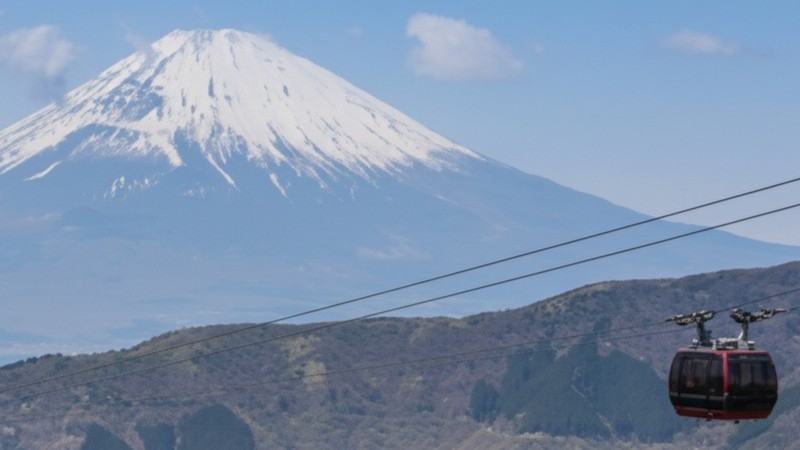
Owakudani
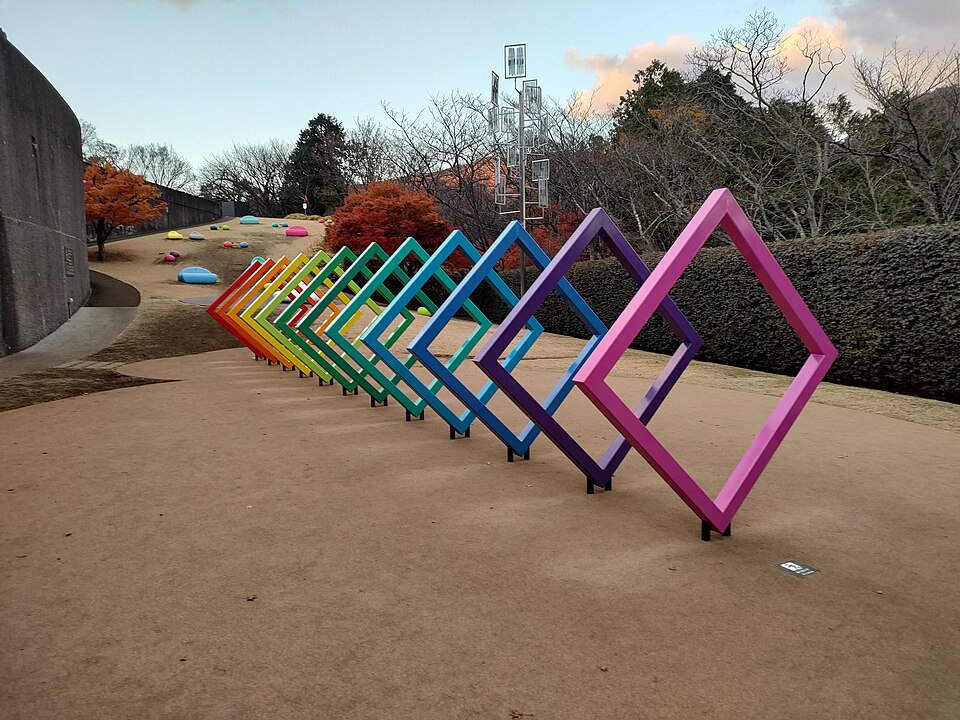
Hakone Open Air Museum
Hakone Ropeway
Nearby Attraction- •Lake Ashi (Ashinoko): A scenic volcanic crater lake offering iconic Mt Fuji reflections, the famous floating torii gate of Hakone Shrine, and beautiful lakeside views.
- •Hakone Shrine: A historic Shinto shrine set within ancient cedar forest on the shores of Lake Ashi, famous for its iconic torii gate that appears to float on the water.
- •Owakudani: An active volcanic valley at 1,044 meters with dramatic steam vents, sulfur springs, and the famous black eggs hard-boiled in volcanic water.
- •Hakone Open Air Museum: Japan's first open-air art museum, featuring over 120 sculptures set across a beautiful mountain landscape, with a Picasso gallery and foot onsen.
- •Hakone Ropeway: The Hakone Ropeway offers spectacular aerial views of Owakudani, Lake Ashi, the surrounding mountains, and Mount Fuji on clear days.
Suggested Itinerary
Pair Hakone Hot Springs with these nearby stops for a full day in Hakone-Yumoto.
Frequently Asked Questions
Planning Your Hakone Trip?
See the full Hakone destination guide or browse Japan itineraries that include this city.
See all Nature & Scenic Spots across Japan →Explore all attractions in Hakone or browse nearby destinations.
Back to Hakone Guide →