Nagoya City Science Museum
By Andrew Liyan · Last updated: September 1, 2026 · Facts verified: September 1, 2026

- Area
- Sakae / Fushimi
- Best For
- Families, Science, Rainy Day, Photography
Visiting Nagoya City Science Museum
Nagoya City Science Museum sits inside Shirakawa Park in the Sakae district of Naka-ku, a short walk from Fushimi subway station in central Nagoya, Aichi Prefecture. Its official Japanese name, 名古屋市科学館 (Nagoya-shi Kagakukan), translates directly to Nagoya City Science Museum, though the museum currently brands itself on its own website as FUJI NAGOYA SCIENCE MUSEUM following a corporate naming-rights sponsorship, a common arrangement at Japanese public facilities that can change again in the future. The museum occupies two connected buildings, the Science and Technology Building and the Life Sciences Building, and houses roughly 270 exhibits alongside a planetarium the museum describes as having one of the largest domes in the world, at 35 meters in diameter with 350 seats.
The most common hesitation about visiting is a fair one: the planetarium show is narrated entirely in Japanese, with no English subtitles or audio option. That is a genuine limitation worth stating plainly rather than glossing over. It does not, however, make the museum a poor choice for non-Japanese-speaking visitors. The planetarium program is built around large-format visual projection rather than dense narration, and both it and the museum's hands-on exhibit floors are designed to be understood largely through direct observation and interaction, which is a big part of why families and travelers without any Japanese ability still rate the museum highly.
A useful way to plan a visit is to separate the decision into two parts: the exhibit floors and the planetarium show. The exhibit floors reward almost any visitor regardless of language, since the standout attractions, a nine-meter indoor tornado, a -30C deep-freeze room, and high-voltage discharge demonstrations, communicate through direct sensory experience rather than text. The planetarium is a different kind of experience: still visually striking without understanding the narration, but a traveler specifically seeking a narrated astronomy program in English should treat it as optional rather than essential, and budget the roughly one-hour program (including a 50-minute show) accordingly against the rest of a Nagoya day.
Beyond the tornado and deep-freeze exhibits, the Science and Technology Building includes an electric discharge laboratory with dramatic high-voltage demonstrations and a genuine LE-7 rocket engine, developed for Japan's H-II launch vehicle, on permanent display. The Life Sciences Building covers biology and natural history across several floors, and a large-scale model railway diorama runs scheduled demonstrations that tend to draw a crowd of their own. Families with children consistently report spending longer than planned moving between the two buildings, and a focused visit covering the highlights fits into 2 to 3 hours, while a fuller visit with the planetarium and both buildings' exhibit floors is more comfortably budgeted at 3 to 4 hours.
The planetarium itself uses two projector systems, a UNIVERSARIUM Model IX star projector paired with a Sky Max DSII digital system, and runs a general-projection program alongside occasional family-hour shows. The specific program theme changes on a monthly schedule set by the museum, so no particular show title or seasonal theme should be treated as a permanent feature of a visit; travelers planning around a specific program should check the museum's current schedule directly. Planetarium seating for later sessions can often be reserved online in advance, which is worth doing during Golden Week and other peak periods, since early sessions each day tend to run on a walk-up basis and later ones have historically sold out on the busiest weekends.
Admission uses a combined museum-plus-planetarium ticket as the default option, priced at ¥800 for adults and ¥500 for high school and university students, alongside a lower museum-only ticket at ¥400 and ¥200 respectively for visitors who want to skip the planetarium entirely. Entry is free for children of junior high school age and younger, and Nagoya City residents aged 65 and older receive a further discounted rate. A separate annual pass is also available. The museum's ticket site also lists a standalone Planetarium Only product alongside these; its exact price and eligibility were not confirmed for this guide, so travelers interested in that specific option should check the official ticket site directly rather than assume a price.
Two closure patterns are easy to miss when planning a visit. The museum closes on Mondays, shifting to the following weekday when Monday falls on a public holiday, which is a common pattern across Japanese museums. Less common, and easy to overlook, is an additional closure on the third Friday of every month, unrelated to the Monday schedule. The museum also closes for a short annual break from December 29 through January 3. None of these dates should be assumed fixed indefinitely; confirming the current closure calendar before a visit, especially one timed around a Friday or the year-end period, is worth the extra minute.
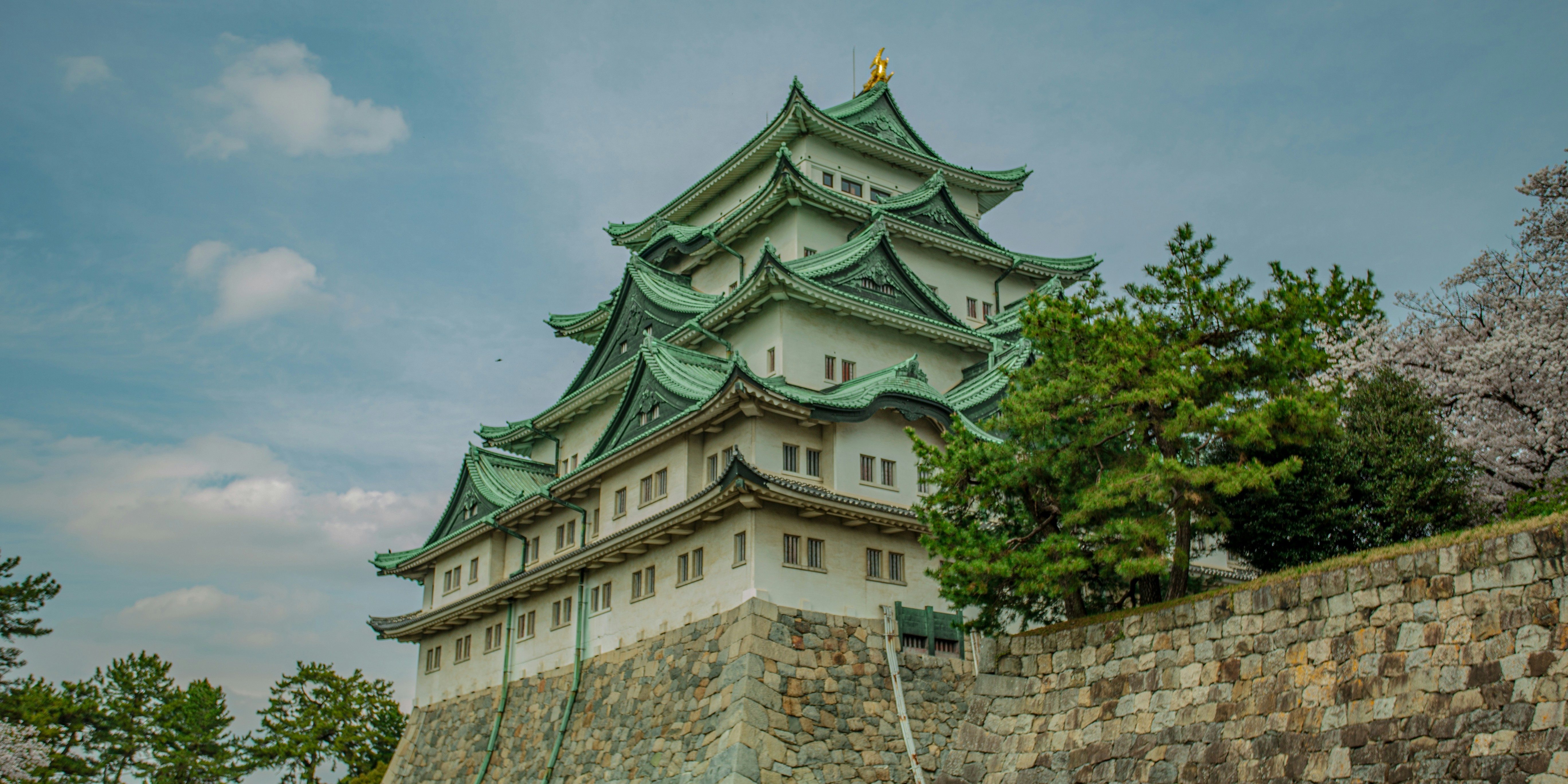
The museum sits close enough to central Nagoya's other major sights to combine easily with a broader day out. Nagoya Castle is roughly 2 kilometers away, about a 10-minute subway ride, and the Osu Shopping District is about 1.5 kilometers away, reachable on foot in around 20 minutes or by a short subway ride. Both pairings work well with the museum's own recommended 2 to 4 hour visit, and the museum's central Sakae location, along with its fully indoor layout, makes it one of the more reliable wet-weather or extreme-heat options among Nagoya's major attractions.
Things to Do at Nagoya City Science Museum
Watch a Show in One of the World's Largest Planetarium Domes
The 35-meter, 350-seat planetarium dome uses a UNIVERSARIUM Model IX star projector paired with a Sky Max DSII digital system. The roughly one-hour program, including a 50-minute show, is narrated in Japanese only, but the large-format visual projection is still worth experiencing even without understanding the narration.
Feel a Nine-Meter Indoor Tornado
The Tornado Lab generates a genuine vortex of air and mist roughly nine meters tall, one of the museum's most talked-about exhibits and a favorite with children and adults alike.
Step Into the -30C Deep Freeze Lab
A walk-in room chilled to about -30C lets visitors experience extreme cold firsthand, a simple but memorable sensory exhibit that needs no explanation in any language.
See a High-Voltage Discharge Demonstration
The Electric Discharge Lab runs dramatic high-voltage demonstrations exploring the physics of electricity, staged for visual impact as much as scientific explanation.
Explore the Life Sciences Building
A separate building covers biology and natural history across multiple floors, rounding out a visit beyond the physics-heavy exhibits in the Science and Technology Building.
View a Genuine LE-7 Rocket Engine
An actual LE-7 rocket engine, developed for Japan's H-II launch vehicle, is on permanent display, a striking piece of real aerospace hardware rather than a replica.
Watch the Model Railway Diorama
A large-scale model railway runs scheduled demonstrations throughout the day, a smaller-scale draw that still reliably gathers a crowd of its own.
How to Get to Nagoya City Science Museum
Nagoya City Science Museum sits inside Shirakawa Park in the Sakae district of Naka-ku, close to central Nagoya's subway network.
From Nagoya Station
Take the Higashiyama Line to Fushimi Station, a ride of about 5 minutes, then follow Exit 5 to Shirakawa Park; the museum entrance is roughly a 5-minute walk from the exit.
From Sakae
Take the Tsurumai Line one stop to Fushimi Station, then follow Exit 5 to the museum, about a 5-minute walk.
By Bus
City buses stop at Hirokoji-Fushimi, and Meitetsu buses stop at Shirakawa Koen-mae, both within easy walking distance of the museum entrance.
Parking
The museum does not have dedicated on-site visitor parking; travelers arriving by car should plan to use a nearby paid parking facility.
Best Time of Day to Visit
Arriving close to the 9:30 AM opening, particularly on a weekday outside school holidays, gives the smallest queues and the best chance at a walk-up planetarium slot before crowds build later in the day.
Best Time to Visit Nagoya City Science Museum
Weekday mornings outside school holidays, arriving close to the 9:30 AM opening for the smallest crowds and the best odds of a walk-up planetarium slot.
Entry Fee & Hours
| Category | Price (JPY) | Approx. (USD) |
|---|---|---|
| Adult | ¥800 | ~$5.50 |
| High school / university student | ¥500 | ~$3.50 |
| Nagoya City resident, age 65+ | ¥200 | ~$1.50 |
| Junior high age and younger | Free | Free |
| Category | Price (JPY) | Approx. (USD) |
|---|---|---|
| Adult | ¥400 | ~$3 |
| High school / university student | ¥200 | ~$1.50 |
| Nagoya City resident, age 65+ | ¥100 | ~$1 |
| Junior high age and younger | Free | Free |
| Category | Price (JPY) | Approx. (USD) |
|---|---|---|
| Adult | ¥3,200 | ~$22 |
| Student | ¥2,000 | ~$14 |
- •The museum's ticket site also lists a separate Planetarium Only ticket product alongside the combined and museum-only tiers above. Its exact price and eligibility were not confirmed for this guide; check the official ticket site for current details before assuming a price.
- •In addition to closing Mondays (or the following weekday when Monday is a public holiday), the museum also closes on the third Friday of every month, a separate and easy-to-miss closure pattern. It also closes annually from December 29 through January 3.
- •The planetarium's program theme changes on a monthly schedule; no specific show title or family-hour schedule should be treated as a permanent feature. Check the official site for the current program before planning a visit around a particular show.
- •Wheelchairs are available to borrow at reception in limited quantity, and accessible restrooms are available on multiple floors. Full step-free routing across all floors was not explicitly confirmed on official materials; ask staff on arrival about current accessibility routing if this is a specific concern.
Nearby Attractions
Combine with Nagoya City Science Museum on the same day
Nagoya Castle

Chubu Electric Power MIRAI TOWER

Osu Shopping District

Nagoya City Art Museum
Frequently Asked Questions
Planning Your Nagoya Trip?
See the full Nagoya destination guide or browse Japan itineraries that include this city.
See all Museums across Japan →