Port of Nagoya Public Aquarium
By Andrew Liyan · Last updated: September 1, 2026 · Facts verified: September 1, 2026

- Area
- Kinjofuto / Port
- Best For
- Families, Marine Life, Rainy Days
Visiting Port of Nagoya Public Aquarium
The Port of Nagoya Public Aquarium sits on the Nagoya Port waterfront in Minato-ku, Aichi Prefecture, and is widely described as Japan's largest public aquarium by total tank volume and floor area, spread across roughly 41,500 square meters and home to an estimated 500 species. It opened in October 1992, operated by the Nagoya Minato Promotion Foundation, originally themed around the historic route of the Antarctic research vessel Fuji, now permanently docked and displayed nearby at Garden Pier. The facility grew significantly in 2001 with the addition of the North Building, which introduced its cetacean-focused wing and, at the time, the world's largest dolphin-show tank.
Given the scale involved, the honest planning question is not whether the aquarium is worth seeing but how much time to give it. Most visitors need 3 to 4 hours to cover both buildings and catch at least one scheduled presentation, and families or enthusiasts wanting to see multiple shows or feedings should budget closer to a full half day. That time commitment, plus a dedicated subway trip out to Minato-ku, makes this a stronger fit for a traveler with a flexible Nagoya schedule than for someone trying to squeeze it into a single day already anchored around the city-center castle and shrine cluster.
The aquarium splits into two buildings connected by Shiokaze Plaza, and each rewards a different kind of interest. The North Building tells a single continuous cetacean-evolution story culminating in a large stadium pool used for scheduled marine-mammal presentations, and is generally the facility's headline draw. Its marine mammal collection includes orcas, belugas, and dolphins, a well-established part of the aquarium going back more than two decades. Exact animal counts and show times shift over time, so this guide describes the collection as a long-term facility feature rather than promising a specific animal or show on any given day. Check the official site or the on-site schedule board for current show times before you go.
The South Building instead walks visitors through a themed 'Journey to Antarctica,' loosely following the real historical route of the Fuji research vessel: Japanese coastal waters, a deep-sea gallery, an equatorial coral reef, an Australian waterside zone, and finally an Antarctic penguin habitat. If time is short, the North Building's stadium pool is the single highest-priority stop, with the South Building's coral reef and penguin zones as the next best use of remaining time.
General admission is ¥2,030 for adults, ¥1,010 for elementary and junior high students, and ¥500 for preschool-age children (4 and up), with children under 4 admitted free. A discounted evening rate applies during Golden Week, summer, and December 24 after 5:00 PM. Advance online tickets are not required for individual visitors but are recommended on weekends and during peak season to avoid queues; group bookings of 20 or more require a phone or fax reservation made one week to three months ahead. A combo ticket bundling admission with the adjacent Fuji ship, Maritime Museum, and observation deck at Garden Pier is also available for visitors who want to extend their time at the pier.
Hours vary more than at most Nagoya attractions on this site, with three separate seasonal bands: roughly 9:30 AM to 5:30 PM from mid-March through November, a shorter 9:30 AM to 5:00 PM window from December through mid-March, and extended 9:30 AM to 8:00 PM hours during Golden Week and summer. Last admission is always one hour before closing. The aquarium generally closes on Mondays, or the following day when Monday is a public holiday, except during Golden Week, summer, and spring and winter school breaks, when it opens daily. Confirm the current calendar before a visit timed near a Monday.
It's worth correcting a common assumption directly: this aquarium is not within walking distance of SCMAGLEV and Railway Park, even though both sit within the broader Nagoya Port district. The aquarium is served by the Meiko Line at Nagoyako Station, while SCMAGLEV sits on the separate Aonami Line at Kinjofuto Station, roughly 4.8 kilometers away with no direct connection between the two. Visitors doing both in one day should budget for a transfer back through Kanayama or Nagoya Station rather than expecting a short walk or a quick hop between them. The aquarium's genuine walkable neighbors are the Fuji research vessel, Maritime Museum, and harbor observation deck at the adjacent Garden Pier, all reachable from the same station without a transfer.
The facility is fully indoor and air-conditioned, making it one of Nagoya's more reliable rainy-day or extreme-weather options, and its scale and marine mammal collection give it strong appeal for families with children as well as general-interest adult travelers. Accessible parking, accessible restrooms, wheelchair and stroller rental, nursing rooms, and fare exemptions for disability-certificate holders are all confirmed facility features; full step-free coverage of every exhibit walkway is not explicitly confirmed, so travelers with specific mobility needs should contact the aquarium directly before visiting.
Things to Do at Port of Nagoya Public Aquarium
Start with the North Building's Stadium Pool
The North Building's cetacean-evolution wing culminates in a large stadium pool used for scheduled marine-mammal presentations and is generally the facility's headline draw. Check the current show schedule on arrival, since specific times and content vary.
See the Long-Established Marine Mammal Collection
Orcas, belugas, and dolphins have been part of the aquarium's collection for more than two decades. Exact animal counts and named individuals shift over time, so this is best understood as a long-term facility feature rather than a guaranteed specific sighting.
Walk the South Building's Journey to Antarctica
A themed route loosely follows the real historical path of the Antarctic research vessel Fuji, moving from Japanese coastal waters through a deep-sea gallery, an equatorial coral reef, and an Australian waterside zone before reaching an Antarctic penguin habitat.
Visit the Coral Reef and Deep-Sea Gallery
Within the South Building, the equatorial coral reef and deep-sea gallery are consistently praised as strong visual highlights and a good use of time if the schedule is tight.
Combine with Garden Pier's Fuji Research Vessel
The retired Antarctic research vessel Fuji, along with a Maritime Museum and harbor observation deck, sits immediately adjacent at Garden Pier and shares a combo ticket, making it an easy extension of the same visit without changing stations.
How to Get to Port of Nagoya Public Aquarium
The Port of Nagoya Public Aquarium sits on the Nagoya Port waterfront in Minato-ku, reached by a dedicated subway line.
From Nagoya Station
Take the JR, Meitetsu, or Meijo Line to Kanayama Station, then transfer to the Nagoya Municipal Subway Meiko Line and ride to its terminus at Nagoyako Station. The aquarium is about a 5-minute walk from Exit 3.
Is It Near SCMAGLEV and Railway Park?
No, despite both sitting in the broader Nagoya Port area. The aquarium is on the Meiko Line at Nagoyako Station; SCMAGLEV is on the separate Aonami Line at Kinjofuto Station, about 4.8 kilometers away with no direct connection. Visiting both in one day requires a transfer back through Kanayama or Nagoya Station, not a short walk.
Best Time of Day to Visit
Arriving shortly after the 9:30 AM opening on a weekday gives the best chance of a quieter stadium pool and shorter queues before weekend and peak-season crowds build later in the day.
Best Time to Visit Port of Nagoya Public Aquarium
Weekday mornings shortly after opening, before weekend and peak-season crowds build around the main stadium pool.
Hours extend to 9:30 AM - 8:00 PM and a discounted evening ticket applies. This is also the busiest, most crowded period, so a weekday visit or advance ticket is worth the extra planning.
Hours shorten to 9:30 AM - 5:00 PM, the shortest window of the year. Crowds are generally lighter outside school holiday periods.
Entry Fee & Hours
| Category | Price (JPY) | Approx. (USD) |
|---|---|---|
| Adult / high school | ¥2,030 | ~$14 |
| Elementary / junior high | ¥1,010 | ~$7 |
| Preschool (age 4+) | ¥500 | ~$3.50 |
| Under age 4 | Free | Free |
| Category | Price (JPY) | Approx. (USD) |
|---|---|---|
| Adult / high school | ¥1,620 | ~$11 |
| Elementary / junior high | ¥800 | ~$5.50 |
| Preschool (age 4+) | ¥400 | ~$3 |
- •A combo ticket bundling aquarium admission with the adjacent Fuji research vessel, Maritime Museum, and harbor observation deck at Garden Pier is also available for visitors who want to extend their time at the pier.
- •Advance online tickets are not required for individual visitors but are recommended on weekends and during Golden Week and summer peak to avoid queues. Group admission of 20 or more requires a phone or fax reservation made one week to three months in advance.
- •Hours run on three separate seasonal bands rather than a single year-round schedule; confirm the current-season hours before visiting, especially outside the mid-March-to-November window.
- •The aquarium's specific animal collection and show schedule change over time. Orcas, belugas, dolphins, and penguins are long-established parts of the collection, but check the official site or the on-site schedule board for current show times rather than expecting a specific animal or performance.
- •Accessible parking, accessible restrooms, wheelchair and stroller rental, nursing rooms, and fare exemptions for disability-certificate holders are confirmed facility features. Full step-free coverage of every exhibit walkway is not explicitly confirmed; contact the aquarium directly for specific mobility needs.
Nearby Attractions
Combine with Port of Nagoya Public Aquarium on the same day

SCMAGLEV and Railway Park
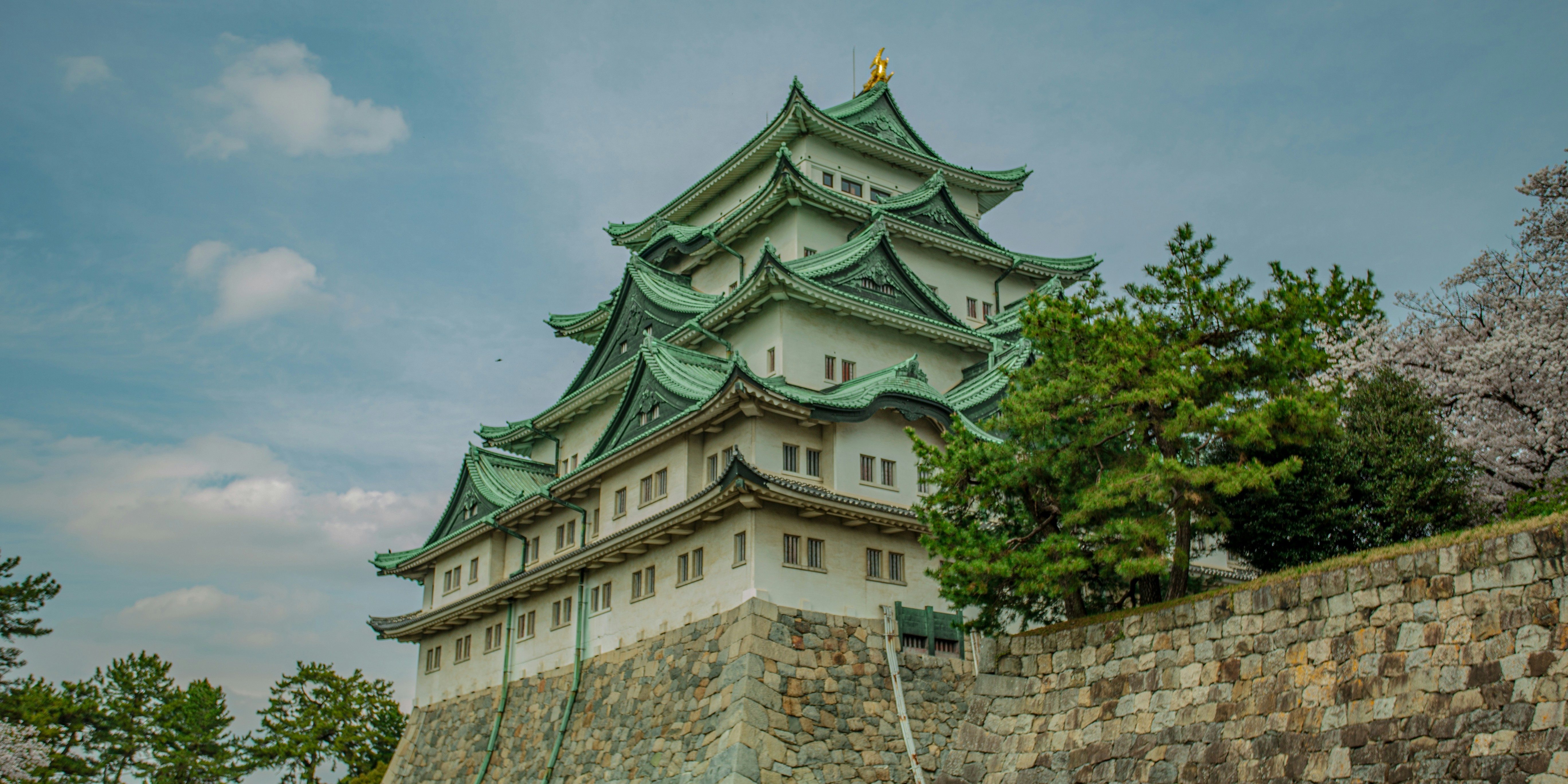
Nagoya Castle
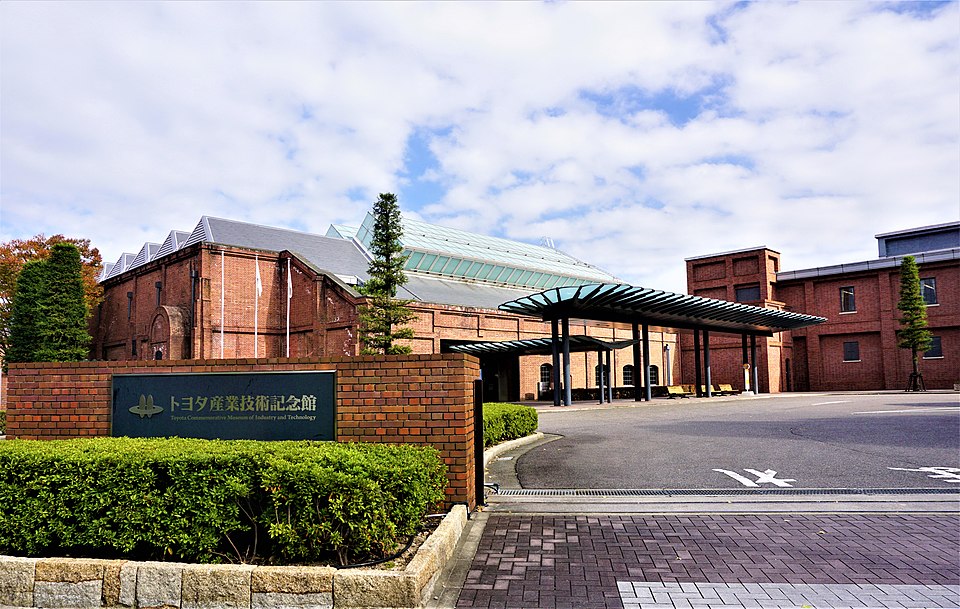
Toyota Commemorative Museum of Industry and Technology
Frequently Asked Questions
Planning Your Nagoya Trip?
See the full Nagoya destination guide or browse Japan itineraries that include this city.
See all Museums across Japan →