Kasuga Taisha Man'yo Botanical Garden
By Andrew Liyan · Last updated: September 10, 2026 · Facts verified: September 10, 2026

- Area
- Nara Park Area
- Best For
- Nature lovers, Photographers, Culture lovers, History lovers
Visiting Kasuga Taisha Man'yo Botanical Garden
Kasuga Taisha Man'yo Botanical Garden is a compact, separately-ticketed garden on the approach path to Kasuga Taisha Shrine, sitting between the shrine's First and Second Torii gates. Opened in 1932, it was the first botanical garden in Japan built around a literary theme, growing every plant species mentioned in the Man'yoshu, Japan's oldest surviving anthology of poetry, compiled in the 8th century. Each plant is labeled alongside the relevant poem, giving the garden a botanical-and-literary identity found nowhere else in Nara.
The garden occupies roughly three hectares and is organized into five named areas: the Wisteria Garden, Camellia Garden, Iris Garden, Five Grain Garden, and the main Man'yoshu plant collection. Visitors follow labeled paths that wind past each section, with a small floating stage used for an annual autumn court-music (Gagaku) performance, typically held around Culture Day in early November.
The garden's single most in-demand feature is its wisteria collection: roughly 200 vines across more than 20 varieties, including a named specimen, the drooping Sunazuri-no-Fuji, that trails low enough to brush past visitors walking beneath its trellis. Wisteria season typically runs from mid-April through early May, historically peaking around late April, the same historical range already established for the wisteria referenced on Kasuga Taisha Shrine's own page. As with any flowering plant, the exact peak shifts from year to year with the weather, so no specific calendar date can be guaranteed for a future visit. June brings a second, smaller highlight in the Iris Garden, and the Camellia Garden offers a quieter winter and early-spring show.
The garden sits immediately beside Kasuga Taisha Shrine, sharing the same forested approach path, but it is operated and ticketed as its own facility rather than being included in the shrine's free outer-grounds admission. Kasuga Taisha's own architecture, lanterns, and founding history are covered in full on the shrine's own guide; here, the focus stays on the garden's plant collection and its Man'yoshu connection.
It is worth being direct about the garden's value outside its two flowering windows. Visitor reviews are genuinely mixed on this point: those who time a visit for wisteria or iris season consistently describe the ¥700 admission as well spent, while several visitors arriving in other months, particularly midsummer, have reported feeling there was comparatively little to see for the price. This is not a garden that reliably rewards a walk-through at any time of year the way a larger strolling garden might; its appeal is concentrated in a specific, real, and fairly narrow window.
A koi pond near the garden's collection area lets visitors feed the fish for a small additional fee, and the labeled poem placards beside each plant offer a distinctive, unhurried way to spend time even outside peak bloom, particularly for visitors with an interest in classical Japanese literature. No reservation system exists for entry.
One practical note on cost: the garden's own official site and Nara Prefecture's tourism board both list admission as ¥700 for adults and ¥300 for children, while at least one independent travel-guide source states a lower ¥500/¥250. The official figures are used here, but the discrepancy is worth knowing about in case pricing has changed since a given source was last updated; travelers who want certainty on the day should expect the higher, official figure and treat a lower quoted price as unconfirmed.
Accessibility inside the garden's own paths has not been independently confirmed by any official source found during research. Kasuga Taisha's outer approach is known to include gravel and uneven stone sections, but whether the garden's internal paths share that surface has not been separately verified, so visitors with mobility needs should check with the shrine office directly before planning a visit around step-free access.
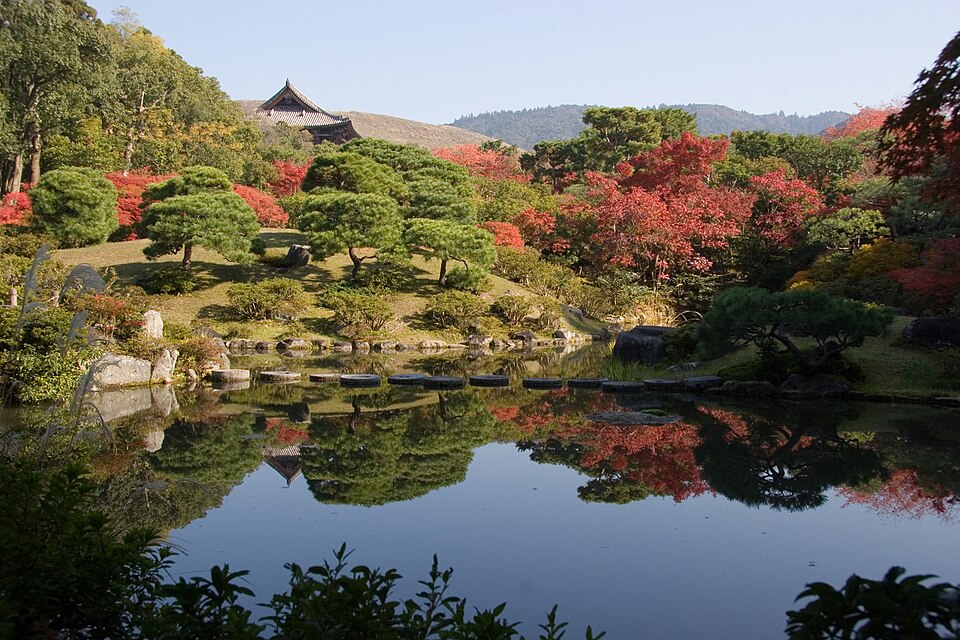
For visitors deciding how to allocate a single Nara day, the honest framing is this: the garden is a genuine, worthwhile stop for wisteria-season travelers (late April to early May), iris-season travelers (June), and anyone with a specific interest in the Man'yoshu or classical Japanese plant lore. Budget-conscious first-timers on a tight schedule outside those windows can reasonably skip it and spend the time and admission fee at Isuien Garden or Yoshikien Garden instead, both a short walk away.
Things to Do at Kasuga Taisha Man'yo Botanical Garden
See the Wisteria Collection in Season
Roughly 200 wisteria vines across more than 20 varieties bloom here, including the named drooping Sunazuri-no-Fuji. The historical peak window runs late April through early May, though the exact timing shifts with the weather each year and cannot be guaranteed in advance.
Walk the Five Named Garden Areas
The garden is organized into the Wisteria Garden, Camellia Garden, Iris Garden, Five Grain Garden, and the main Man'yoshu plant collection, each following labeled paths past plants tied to the ancient poetry anthology.
Read the Man'yoshu Plant Placards
Every plant species named in the Man'yoshu, Japan's oldest surviving poetry anthology, is grown here and labeled with its associated poem, a literary detail not found at any other Nara garden.
Visit the Iris Garden in June
A smaller but genuine seasonal highlight follows wisteria season, when the dedicated Iris Garden reaches its own bloom period.
Feed the Koi
A koi pond near the garden's collection area lets visitors feed the fish for a small additional fee, a simple, low-key activity that works at any time of year.
Decide Honestly Whether to Visit Outside Bloom Season
Visitor reviews are genuinely mixed outside the wisteria and iris windows; some have found the ¥700 admission not worth it in midsummer. Consider Isuien or Yoshikien Garden instead if visiting outside peak bloom on a tight schedule.
Attend the Autumn Man'yo Gagaku Performance
A floating stage inside the garden hosts an annual court-music (Gagaku) performance, typically held around Culture Day in early November.
Photograph the Wisteria Trellises
The Sunazuri-no-Fuji drooping wisteria and its surrounding trellises are the garden's single most photographed feature during the spring bloom.
Pair with a Kasuga Taisha Visit
The garden sits directly on Kasuga Taisha Shrine's approach path between the First and Second Torii gates, making it a natural add-on to a shrine visit rather than a separate detour.
How to Get to Kasuga Taisha Man'yo Botanical Garden
Kasuga Taisha Man'yo Botanical Garden shares its access route with Kasuga Taisha Shrine, on the eastern side of Nara Park.
From Kintetsu Nara Station by Bus
Take a Nara Kotsu bus (Route 70, 72, 77, or 97) from Kintetsu Nara Station and get off at Kasuga Taisha Honden Bus Stop. The garden's entrance is a short walk from the bus stop, on the same approach path as the shrine.
The journey usually takes around 10 to 15 minutes.
From Kintetsu Nara Station on Foot
Walking from Kintetsu Nara Station through Nara Park takes approximately 25 to 30 minutes and passes several major attractions along the way.
From JR Nara Station
Take Bus No. 70, No. 72, No. 77, or No. 97 from JR Nara Station and get off at Kasuga Taisha Honden Bus Stop, a journey of approximately 15 to 20 minutes.
Finding the Garden Entrance
The garden has its own separate ticketed entrance gate along the Omotesando approach path, between the shrine's First Torii and Second Torii. It is easy to walk past if not looking for it, since it sits beside the free shrine approach rather than at the shrine's own main entrance.
Best Time to Visit Kasuga Taisha Man'yo Botanical Garden
Late April through early May for wisteria (historically peaking around late April); June for iris.
Roughly 200 wisteria vines across 20+ varieties bloom, including the named drooping Sunazuri-no-Fuji. Exact timing varies year to year with the weather and cannot be guaranteed for a specific date.
The dedicated Iris Garden reaches its own bloom period, a smaller but genuine second seasonal highlight.
An annual court-music (Gagaku) performance is held on a floating stage inside the garden.
Entry Fee & Hours
| Category | Price (JPY) | Approx. (USD) |
|---|---|---|
| Adult | ¥700 | ~$5 |
| Child (Middle School and Under) | ¥300 | ~$2 |
| Group (20+ Adults, per person) | ¥600 | ~$4.50 |
Admission figures sourced from the garden's own official site and Nara Prefecture's official tourism board (visitnara.jp), both stating ¥700/¥300. At least one independent source (GaijinPot) states a lower ¥500/¥250; the official figures are used here, and the discrepancy should be re-verified directly against kasugataisha.or.jp/manyou-s/ before treating either figure as final.
- •Accessibility of the garden's own internal paths has not been independently confirmed. Kasuga Taisha's outer approach is known to include gravel and uneven stone sections; do not assume the garden's paths are identical without checking with the shrine office directly.
Nearby Attractions
Combine with Kasuga Taisha Man'yo Botanical Garden on the same day



Frequently Asked Questions
Planning Your Nara Trip?
See the full Nara destination guide or browse Japan itineraries that include this city.
See all Nature & Scenic Spots across Japan →