Nara Park
ExploreJapanDaily Editorial Team · Last updated: June 29, 2026 · Facts verified: September 10, 2026

- Area
- Nara Park
- Best For
- Wildlife, Families, Photography, Temples, Walking
Visiting Nara Park
Nara Park is one of Japan's most recognizable cultural landscapes, a place where ancient temples, sacred traditions, open green spaces, and hundreds of freely roaming deer coexist within the heart of Nara. Covering a vast area at the eastern edge of the city, the park serves as the setting for many of Nara's most important historical landmarks, including Todai-ji Temple, Kasuga Taisha Shrine, Kofuku-ji Temple, and several traditional gardens and museums. For many international travelers, Nara Park becomes their first introduction to Japan's ancient capital, offering an experience that combines history, spirituality, nature, and everyday local life in a way few destinations can match.
The park's origins are closely connected to Nara's role as Japan's first permanent capital during the 8th century. While the landscaped park itself developed much later, the surrounding temples, shrines, and sacred forests have shaped this area for well over a thousand years. Today, Nara Park functions as both a public recreational space and a living cultural heritage site. Visitors move seamlessly between centuries-old religious landmarks, shaded walking paths, open lawns, ponds, museums, and forested hills, creating an experience that feels more like exploring an entire historical district than visiting a traditional city park.
The deer are undoubtedly the park's most famous residents. More than a thousand sika deer roam freely throughout the grounds and have become one of Nara's defining symbols. According to local Shinto tradition, deer were believed to be messengers of the gods associated with Kasuga Taisha Shrine. Over centuries, they became protected and deeply woven into the cultural identity of the city. Today, the sight of deer resting beneath cherry trees, crossing pathways, or bowing to visitors in exchange for special deer crackers has become one of the most memorable experiences for travelers exploring Nara. Despite their familiarity with people, the deer remain wild animals, adding a sense of authenticity to encounters throughout the park.

What makes Nara Park particularly special is the way history feels integrated into the natural landscape rather than separated from it. Massive temple gates emerge through the trees, ancient stone lanterns line forest pathways, and traditional wooden structures appear unexpectedly beyond open fields and ponds. Walking through the park often feels like moving through different layers of Japanese history. One moment may be spent observing deer grazing on a grassy lawn, while the next reveals a centuries-old temple, a shrine hidden among cedar trees, or a quiet garden framed by seasonal foliage.
The atmosphere changes significantly throughout the day. Early mornings often offer the most peaceful experience, when soft sunlight filters through the trees and the deer move quietly across the grounds before larger crowds arrive. During the afternoon, the park becomes livelier as visitors gather around major landmarks and open spaces. Evenings bring a calmer mood once again, particularly around the more wooded sections near Kasuga Taisha Shrine and the surrounding forests. This natural rhythm helps the park feel dynamic rather than static, with each time of day offering a slightly different perspective.
Seasonal changes play a major role in shaping the character of Nara Park. Spring transforms the landscape with cherry blossoms that frame temple buildings, pathways, and open lawns with soft shades of pink. Summer introduces dense greenery and shaded forests that create a cooler atmosphere despite warmer temperatures. Autumn is especially admired, as maple trees and other foliage turn brilliant shades of red, orange, and gold, creating dramatic contrasts against traditional architecture and stone pathways. Winter reveals a quieter and more contemplative side of the park, when fewer visitors and bare trees highlight the timeless quality of the surrounding temples and shrines.

The relationship between Nara Park and its surrounding landmarks is central to understanding its significance. Unlike many urban parks designed primarily for recreation, Nara Park functions as a cultural and historical framework connecting some of Japan's most important religious sites. Todai-ji Temple, home to the famous Great Buddha, rises above the landscape as one of the country's most significant Buddhist institutions. Kasuga Taisha Shrine preserves centuries of Shinto traditions within sacred forests. Kofuku-ji Temple contributes another layer of historical and architectural importance. Together, these sites create a concentration of heritage that is difficult to find anywhere else in Japan.
Despite its historical significance, Nara Park never feels overly formal. Local residents walk dogs along the pathways, students gather on the lawns, photographers wait patiently for changing light conditions, and families spend time enjoying the open spaces alongside international visitors. This balance between cultural importance and everyday use gives the park a welcoming atmosphere. It remains a living part of the city rather than a preserved historical exhibit disconnected from modern life.
The natural scenery also contributes significantly to the park's appeal. Rolling lawns, ponds, wooded hills, and ancient forests create a landscape that feels surprisingly spacious despite its proximity to central Nara. Birds move through the trees, seasonal flowers appear throughout the year, and the changing weather often transforms the mood of the surroundings. Light rain can make the stone pathways and temple roofs appear more atmospheric, while clear skies reveal sweeping views across open spaces framed by historic architecture.

For international travelers planning a visit to Nara, Nara Park offers one of the most complete introductions to Japan's cultural heritage. It combines sacred traditions, architectural landmarks, wildlife, seasonal beauty, and historical significance within a single walkable area. More importantly, it provides an opportunity to experience how these elements continue to coexist in contemporary Japan. Rather than presenting history as something distant, Nara Park allows visitors to encounter it as part of a living landscape where temples, forests, deer, and local life remain closely connected. The result is an experience that feels both educational and deeply memorable, leaving many travelers with some of their strongest impressions of Japan long after their visit has ended.
Things to Do at Nara Park
How to Get to Nara Park
Nara Park is located in central Nara and is easily accessible from both JR Nara Station and Kintetsu Nara Station.
- •Nearest station: Kintetsu Nara Station (5-min walk) or JR Nara Station (10-min walk)
- •IC cards (Suica, Pasmo, or ICOCA) are accepted on trains, subways, and buses throughout Japan. Tap in and out at every gate.
- •Avoid traveling during rush hour on weekdays: 7am to 9am and 5pm to 8pm. Trains are significantly more crowded.
- •Google Maps provides accurate real-time transit directions in Nara. Download offline maps before you arrive.
Map
Best Time to Visit Nara Park
Best time to visit Nara Park: Morning for deer feeding; late March–early April for cherry blossoms; autumn for maple foliage. Weekday mornings are generally quieter than weekends and public holidays.
- •Best time to visit: Morning for deer feeding; late March–early April for cherry blossoms; autumn for maple foliage
- •Arriving on a weekday morning avoids the largest crowds. Weekends and public holidays are significantly busier.
- •Spring (late March to early May) and autumn (October to November) are the most popular seasons for visiting Nara.
- •Golden Week (late April to early May) is the busiest week of the year in Japan. Book accommodation and tickets well in advance.
Held at Rokuen near Kasuga Taisha, this Edo-period tradition dating back roughly 340 years involves safely removing antlers from male deer ahead of the autumn rutting season.
Cherry trees scattered throughout the park bloom alongside the resident deer, creating some of Nara's most photographed springtime scenes.
Maple trees around Kasuga Taisha and Todai-ji turn vivid red and gold, drawing photographers throughout the park.
Entry Fee & Hours
- •Nara Park itself has no entry gate, ticket, or admission fee at any time; individual sites within the park such as Todai-ji, Kasuga Taisha, and Isuien Garden charge their own separate admission.
- •Main pathways through the park are mostly paved and flat, though some areas near temples, shrines, and forested trails include gravel or uneven stone surfaces that may be difficult for wheelchairs and strollers.
Nearby Attractions
Combine with Nara Park on the same day

Todai-ji Temple

Kasuga Taisha Shrine
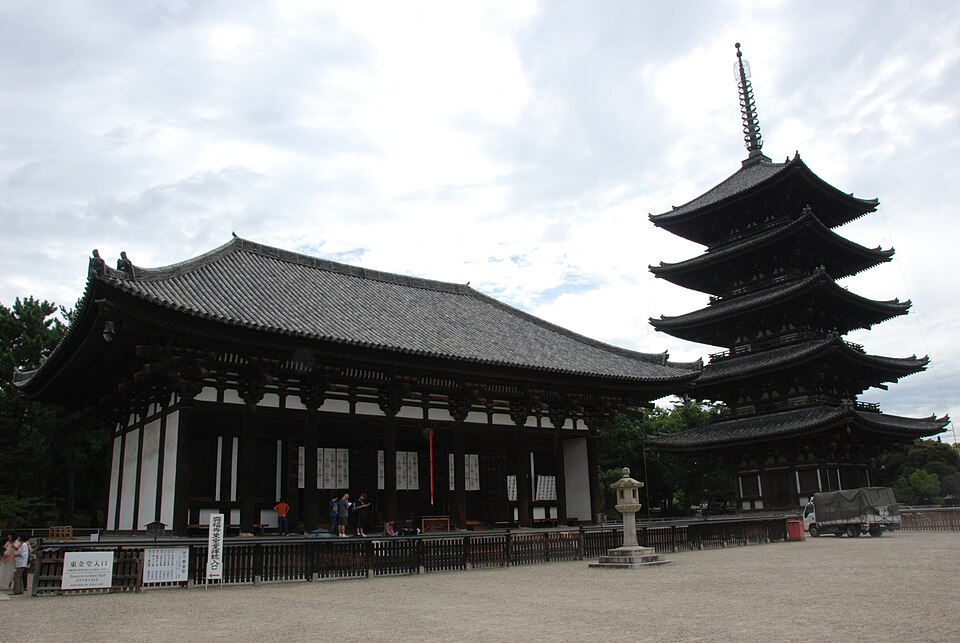
Kofuku-ji Temple
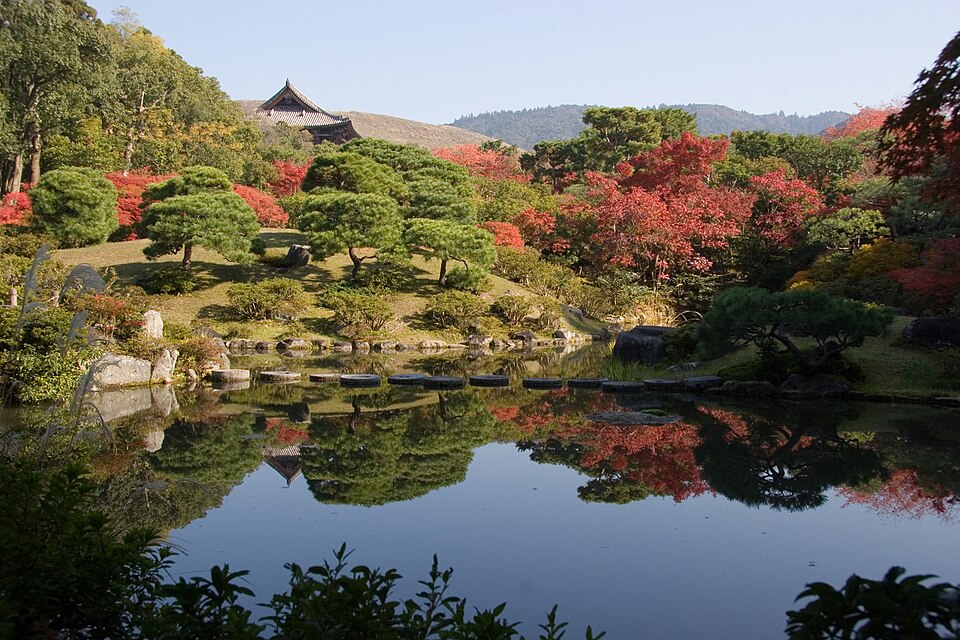
Isuien Garden

Yoshikien Garden

Ukimido Pavilion
- •Todai-ji Temple: Japan's largest wooden structure, housing the awe-inspiring 15-meter bronze Daibutsu (Great Buddha) cast in 752 CE — the spiritual heart of Nara and a UNESCO World Heritage Site.
- •Kasuga Taisha Shrine: Nara's most sacred Shinto shrine, founded in 768 CE, where 3,000 stone and bronze lanterns line an ancient cedar forest approach to the vermilion inner sanctuary.
- •Kofuku-ji Temple: A UNESCO World Heritage temple complex originally established in 669 CE, best known for its five-story pagoda mirrored in Sarusawa Pond and its world-class collection of Buddhist sculpture.
- •Isuien Garden: A masterful Meiji-era strolling garden that frames Todai-ji's rooftops and the Wakakusa hills as living borrowed scenery across two interconnected ponds.
- •Yoshikien Garden: A free, three-part traditional Japanese garden directly beside Isuien Garden, offering a quieter and more compact alternative or add-on to Nara's better-known strolling garden.
- •Ukimido Pavilion: A small, free hexagonal wooden pavilion floating on Sagi-ike Pond inside Nara Park, near Kasuga Taisha Shrine's first torii gate, best known for photography, seasonal boating, and the Nara Tokae lantern festival.
Suggested Itinerary
Pair Nara Park with these nearby stops for a full day in Nara Park.
Frequently Asked Questions
Planning Your Nara Trip?
See the full Nara destination guide or browse Japan itineraries that include this city.
See all Nature & Scenic Spots across Japan →Explore all attractions in Nara or browse nearby destinations.
Back to Nara Guide →