Naramachi
By Andrew Liyan · Last updated: September 10, 2026 · Facts verified: September 10, 2026

- Area
- Naramachi
- Best For
- History & Culture, Photography, Traditional culture, Slow travel
Visiting Naramachi
Naramachi is Nara's historic merchant district, not a single attraction. It is a free, walkable network of narrow lanes lined with Edo-period machiya townhouses, occupying roughly a one-kilometer-diameter area just southeast of Nara Park. Travelers who arrive expecting one building or temple often find, once there, that Naramachi is better understood as an area to wander than a single site to check off.
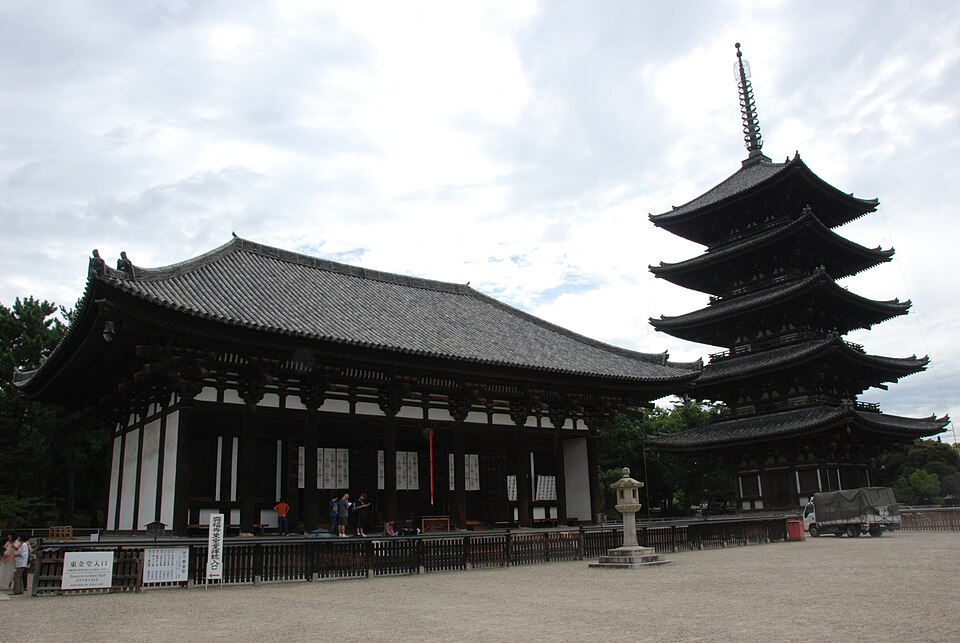
The district's origins trace back to Gangoji Temple, one of Japan's oldest Buddhist temples, which once occupied this land as its precinct. A major fire in 1451 destroyed much of the temple's central buildings, and over the following century and a half, a merchant town known as Shinya gradually took shape on the temple's former grounds. The "Naramachi" name and its identity as a defined visitor district are more recent still: per Gangoji's own official history, the area took its current branded shape as a buffer zone around the temple after Gangoji's 1998 UNESCO World Heritage listing.
Walking through Naramachi today means passing dark-wood machiya townhouses, most built narrow at the front because historic property taxes were calculated by street frontage rather than total floor area. Many of these buildings now house small shops, sweet shops, cafes, galleries, and boutique ryokan, alongside a handful of small museums such as the Naramachi Koshi-no-Ie lattice house.
Because Naramachi has no admission fee and no single opening hour, and because the streets themselves are open at all times, the right way to experience it is unhurried wandering rather than a fixed itinerary. Individual shops, cafes, and museums each keep their own hours and should be checked individually if a specific stop matters to a visitor's plan.
Gangoji Temple, one of Nara's UNESCO World Heritage sites, sits at the historic heart of the district and is the one genuinely ticketed, fixed-hours attraction inside Naramachi. Most visitors treat a Naramachi walk and a Gangoji Temple visit as one natural combined stop, typically added onto a Nara Park morning.
Things to Do at Naramachi
Walk the Machiya-Lined Lanes
The core activity in Naramachi is simply walking its narrow historic lanes, lined with dark-wood Edo-period machiya townhouses, many now converted into shops and cafes.
Visit Gangoji Temple
Gangoji Temple, a UNESCO World Heritage site with roots tracing back to Japan's earliest Buddhist temple, sits at the historic heart of the district and is the one fixed-admission attraction inside Naramachi.
Browse Craft Shops and Cafes
Naramachi's converted machiya buildings house sweet shops, craft galleries, and cafes, each keeping its own hours rather than a district-wide schedule.
Look for Small Museums Along the Way
Small museums housed in restored townhouses, such as the Naramachi Koshi-no-Ie lattice house, offer glimpses into how merchant families once lived and worked in these buildings.
How to Get to Naramachi
Naramachi sits just southeast of Nara Park and is reached on foot from either of Nara's two main stations.
From Kintetsu Nara Station
Naramachi is within a short walk of Kintetsu Nara Station, the closer of Nara's two main stations to the district.
From JR Nara Station
JR Nara Station is somewhat farther from Naramachi but still within comfortable walking distance through central Nara.
Best Time to Visit Naramachi
Weekday mornings or late afternoons.
Entry Fee & Hours
- •This entry describes the district itself, which has no admission fee and no single opening hours. Individual shops, cafes, museums, and Gangoji Temple are priced and scheduled separately.
Nearby Attractions
Combine with Naramachi on the same day



Frequently Asked Questions
Planning Your Nara Trip?
See the full Nara destination guide or browse Japan itineraries that include this city.