
14 Days
Best for: First-Time
The Classic Japan: 2 Weeks in Tokyo, Kyoto & Osaka
The perfect first-timer route through Japan's greatest cities
Tokyo · Hakone · Kyoto · Osaka
#Mid-Range
From$3,200/person
Compare This Route →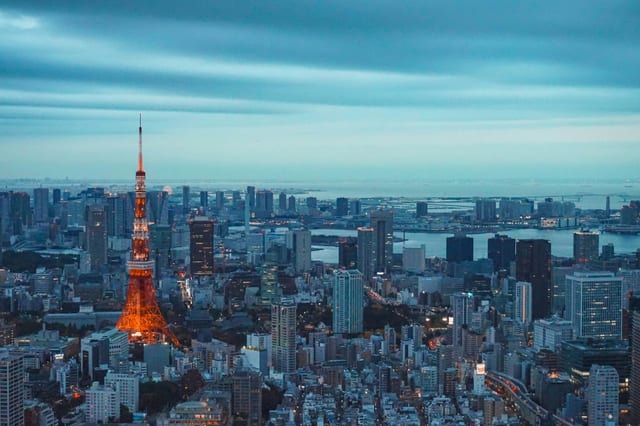
A focused, no-backtracking route through Tokyo's essential neighbourhoods
Four days is enough to get a genuine feel for Tokyo without trying to see everything, which is the mistake most short-trip visitors make. This route groups the city into four walkable clusters, Shinjuku/Shibuya, Asakusa/Akihabara/Ueno, Harajuku/Meiji Shrine/Shibuya Sky, and Tsukiji/Ginza, so you're never criss-crossing the city to chase a single sight.
It's built for a stopover, a long weekend extension on a business trip, or the Tokyo half of a trip that continues elsewhere by air. Everything runs on the subway and JR Yamanote Line, so a 72-hour Tokyo Metro pass covers nearly all of it.
If you only have four days in Tokyo, this is the order we'd actually do it in, front-loading the overwhelming, high-energy districts and closing with a calmer, food-focused finish.
What you need to know: 4 Days, $900-$2,600 per person, best in Spring or Autumn or Winter, covering Tokyo with a mix of JR trains and regional transport.
Days 1–4
Shinjuku and Shibuya energy, old Tokyo in Asakusa, youth culture in Harajuku, and a market-to-Ginza finish.
Open-air observation deck 230m above Shibuya Crossing, best at golden hour.
Asakusa's ancient temple with none of the daytime crowds.
Retro arcades, multi-floor electronics stores, and anime goods.
Fresh sushi and tamagoyaki stalls before the tourist crowds arrive.
Every day. Every stop. Real costs, real transport times, honest opinions.
Land, clear immigration (Visit Japan Web speeds this up considerably), and take the airport express into Shinjuku. Drop bags and get oriented before heading out.
Shinjuku Gyoen National Garden (¥500) is one of the best parks in the city, a genuine escape from the surrounding towers. Afterward, walk the neon of Kabukicho for scale rather than for anything specific to do.
Ride the Yamanote Line two stops to Shibuya, watch the crossing from street level once, then head up to Shibuya Sky for sunset over the city (book the timed-entry ticket in advance).
Back in Shinjuku, squeeze into one of the yakitori stalls in this narrow post-war alley for skewers and cold beer.
Where to Stay Tonight
Shinjuku
Central to every subway and JR line you'll use this trip. Stay within 10 minutes of Shinjuku Station.
Don't Miss Eating
Yakitori at Omoide Yokocho
Chicken skewers grilled over charcoal. Order the assorted set and a cold Asahi.
Arrive by 8am to see Tokyo's oldest temple before the tour groups. Walk Nakamise-dori's souvenir stalls, then continue to the quieter grounds behind the main hall.
Ueno Park houses several major museums; the Tokyo National Museum is worth the entry fee if you have any interest in Japanese art or samurai armor. Otherwise, the park itself and Ameyoko Market nearby are enough.
Multi-floor electronics stores, retro arcades, and anime/manga shops. Even without buying anything, it's a genuinely strange and fun few hours.
Pick any of the counter-seat ramen shops around the station. Tonkotsu or shoyu, both are reliably good and cheap.
Where to Stay Tonight
Shinjuku
Stay put. Shinjuku keeps you central for the rest of the trip.
Don't Miss Eating
Tonkotsu ramen
Rich pork-bone broth ramen at any of the counter shops near Akihabara Station.
A forested shrine complex in the middle of the city, genuinely peaceful even a short walk from Harajuku's crowds. Arrive early for the quietest experience.
Takeshita Street is youth fashion and crepe stands at full volume; Omotesando, one street over, is the calmer, upscale flip side with better architecture.
Book ahead. This immersive digital art museum (shoes off, some wading through water) regularly sells out same-day slots.
An easier night: revisit a favorite spot from Day 1, or explore Golden Gai's tiny themed bars if you're up for it.
Where to Stay Tonight
Shinjuku
Same hotel. No need to move for a 4-day trip.
Don't Miss Eating
Harajuku crepe
A sweet crepe from any of the Takeshita Street stands. More of an experience than a meal.
The wholesale fish auction moved to Toyosu, but the outer market's food stalls remain, and they're still some of the best breakfast sushi in the city. Go before 9am for shorter lines.
Tokyo's upscale shopping district, worth a walk even if you're not buying anything, plus the Ginza Six building's rooftop garden is free and photogenic.
Head to Narita or Haneda with buffer time built in. Allow at least 3 hours before an international flight.
Where to Stay Tonight
Departure
Check out by 11am; luggage storage is available at most hotels and major stations if your flight is late.
Don't Miss Eating
Tsukiji breakfast sushi
Fresh nigiri from any of the outer market's sushi counters. A proper send-off meal.
Everything in this itinerary is reachable on foot, by subway, or by short local train within Tokyo.
A Japan Rail Pass isn't recommended for this route: point-to-point tickets or a regional pass usually cost less.
See current JR Pass pricing →All figures below are per person, based on double-occupancy accommodation. Flights are from US/Canada.
| Category | Budget | Mid-RangeMost Popular | Luxury |
|---|---|---|---|
| Flights | $650 | $650 | $900 |
| Accommodation | $240 | $480 | $1,200 |
| Food & Drink | $120 | $200 | $400 |
| Local Transport | $30 | $30 | $60 |
| Activities & Entrance Fees | $60 | $100 | $200 |
| Total | $1,100 | $1,460 | $2,760 |
Last verified: 2026-07-06. Costs are estimates per person. Exchange rate used: JPY 150 = $1 USD.
A 72-hour Tokyo Subway Ticket (¥1,500) covers unlimited rides on the two main subway networks and pays for itself within two days of sightseeing.
Skip the Narita Express if you're on a budget. The Keisei Skyliner or local trains cost half as much and take only slightly longer.
A Japan Rail Pass is not worth it for a Tokyo-only trip; buy individual subway tickets or an IC card instead.
Pack for a moderate-walking trip in Spring or Autumn or Winter. See our full seasonal packing guide for a day-by-day checklist.
Full packing guide →This route is built for Spring and Autumn and Winter (March, April, May, September, October, November, December, January, February).
Compare seasons →Best for: First-Time
The perfect first-timer route through Japan's greatest cities
Tokyo · Hakone · Kyoto · Osaka
From$3,200/person
Compare This Route →
Best for: Couple
A spring route timed to peak sakura season through Tokyo, Nikko, Kyoto & Osaka
From$2,800/person
Compare This Route →
Best for: First-Time
Tokyo, Kyoto, and Osaka in a single tight loop
From$1,900/person
Explore Japan in One Week →
Best for: First-Time
Tokyo, Kyoto, Nara, and Osaka, the complete introduction
From$2,600/person
Explore Japan in 10 Days →
Best for: Anime
Akihabara, Studio Ghibli, Den Den Town, and Universal Studios Japan
From$2,500/person
Explore Anime & Pop Culture Japan →