
7 Days
Best for: First-Time
Japan in One Week: The 7-Day Essentials Route
Tokyo, Kyoto, and Osaka in a single tight loop
#Budget
From$1,900/person
View Itinerary ->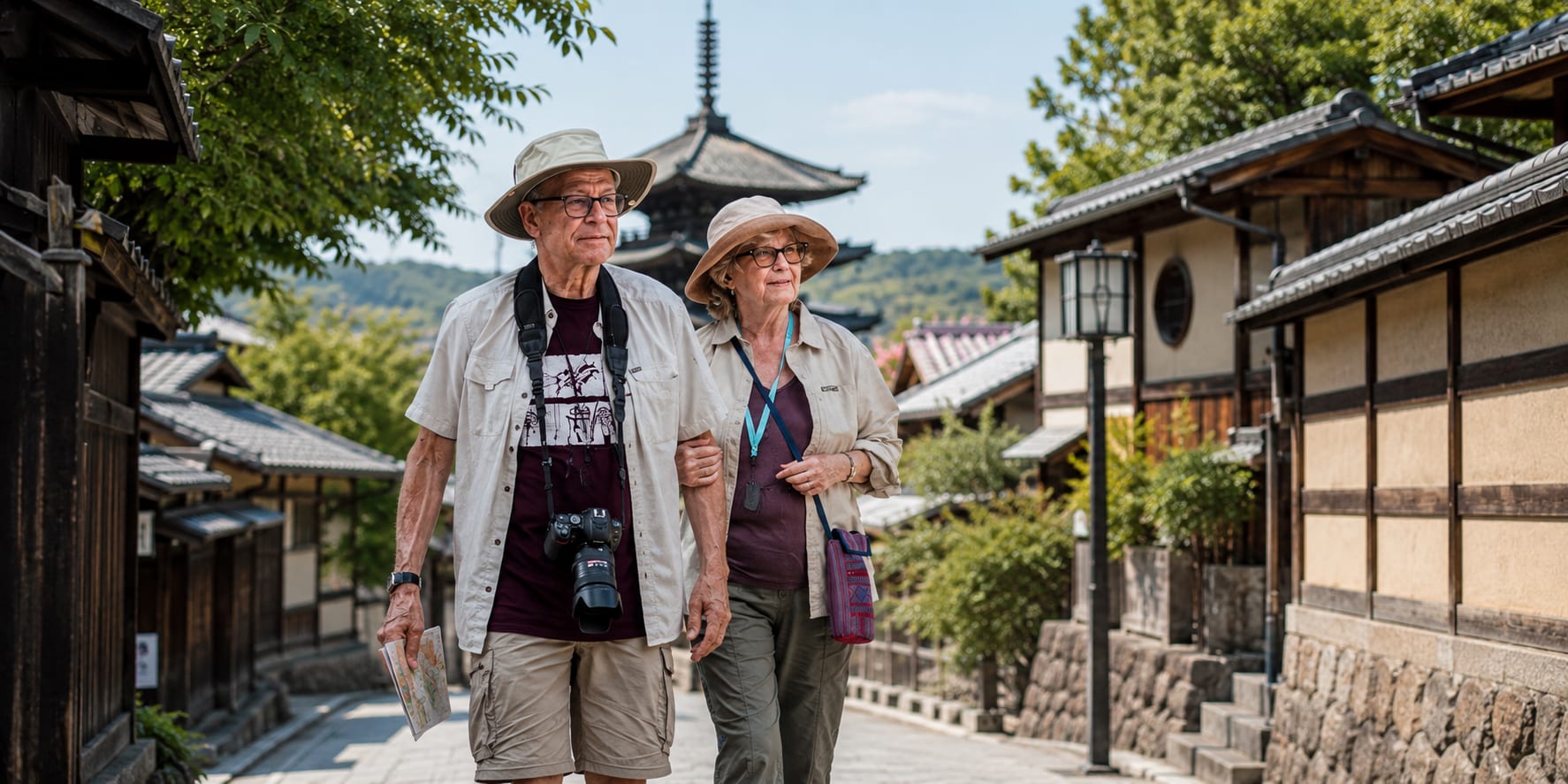
A planning guide for active senior travelers and those seeking a slower pace, covering destinations, transportation, accommodation, health, safety, budget, and packing.
Yes, Japan is one of the more comfortable long-haul destinations for senior travelers. It combines low crime, remarkable cleanliness, excellent healthcare, and trains that run on time to the minute, all foundations that reduce the day-to-day friction of travel. Needs vary significantly between individuals: some senior travelers move through Japan at the same pace as any other visitor, while others, especially those with mobility considerations, benefit from slower pacing and more deliberate planning around stairs and walking distances. Japan accommodates both, provided you plan ahead rather than discover accessibility details on arrival.
Is Japan a good destination for senior travelers? Yes. Japan offers safety, cleanliness, excellent healthcare, reliable public transportation, and consistently helpful hospitality. Some locations require more planning than others, but active senior travelers and those seeking a slower pace both travel through Japan comfortably with the right preparation.
See the Planning Order →History, culture, and comfort in equal measure
Centuries of continuous history are visible and walkable, from Kyoto's temple districts to Nara's ancient capital, without needing a car or a long hike to reach any of it.
Tea ceremonies, traditional crafts, and living cultural districts like Gion give a first-hand sense of Japanese culture that a museum alone cannot.
Japan's strolling gardens, Kenroku-en in Kanazawa among the most celebrated, are built specifically for a slow, contemplative walk rather than a fast circuit.
From a quiet sit-down kaiseki dinner to a neighborhood noodle counter, Japan's food scene rewards travelers who linger over a meal rather than rush through it.
World-class museums in Tokyo, Kyoto, and Osaka offer step-free, climate-controlled sightseeing on a day when outdoor walking feels like too much.
Mountain views from a cable car in Hakone, a scenic train through the countryside, or a quiet riverside walk all deliver real scenery without demanding a strenuous hike.
Eight decisions, in the order they should happen
Weather affects walking comfort more for many senior travelers than it does for other visitors, so pick a season before locking in dates.
Compare Seasons Below →Settle on two or three cities rather than a long circuit. Fewer stops with more time at each one is the single biggest comfort upgrade available on a Japan trip.
See Destinations Below →Rooms close to a train station sell out first, especially during spring and autumn. Confirm elevator access directly with the property if stairs are a concern.
Accommodation Guide →Decide how you will move between cities and within them, and look into luggage forwarding so you are not carrying heavy bags through station transfers.
Getting Around Japan Guide →Confirm your policy covers any pre-existing conditions you manage, since many standard policies exclude them by default.
Travel Insurance Guide →Pack prescription medication in its original packaging with a doctor's note, and bring enough for the full trip plus a few extra days.
See Health & Comfort Below →Decide how much cash to carry alongside your cards, and how you will load an IC card for local transit.
Money in Japan Guide →Prioritize broken-in walking shoes, layers for temperature swings, and a bag light enough to manage yourself through station stairs.
Packing Guide →Weather affects walking comfort more than almost any other planning decision
| Season | Walking Comfort | Notes |
|---|---|---|
| Spring (Mar-May) | Excellent for full sightseeing days | Best overall window; book accommodation and popular sights well ahead |
| Summer (Jun-Aug) | Demanding; heat and humidity make midday walking tiring | Plan shaded routes, frequent indoor breaks, and hydration stops |
| Autumn (Sep-Nov) | Excellent; comfort similar to spring | A strong second choice to spring, with lighter crowds early in the season |
| Winter (Dec-Feb) | Comfortable in Tokyo, Kyoto, and Osaka; harder footing in snow regions | Mild in major cities; confirm footing and road conditions before a Hokkaido or mountain trip |
Ten destinations that suit different paces and travel styles
Elevators and escalators cover nearly every major station, and the sheer density of sights means a full week without long inter-city travel days. Suits travelers who want variety without changing hotels often.
Compact sightseeing districts keep distances short between major sights, and taxis are easy to flag when a temple approach looks steeper than you'd like. A strong fit for travelers seeking cultural depth at a walkable scale.
Built almost entirely around rest: onsen ryokans, a scenic railway, and a ropeway with mountain and Mt. Fuji views that require very little walking. Ideal for travelers wanting a slower pace mid-trip.
Flat, wide paths connect the park entrance to Todai-ji's Great Buddha Hall, making it one of the easier major-temple visits in the country. Works well as an easy half-day trip from Kyoto or Osaka.
The Peace Memorial Park is flat, spacious, and reachable directly by a modern tram network from the station. A meaningful stop for travelers interested in modern history.
A short ferry ride from Hiroshima, the floating torii gate and waterfront paths are largely flat, though the ropeway up Mount Misen suits travelers who prefer to skip the summit hike.
Kenroku-en, one of Japan's great gardens, sits on flat, well-maintained paths, and a compact city center keeps the historic Higashi Chaya district and Omicho Market within easy reach of each other.
Ornate shrines set in forested mountains make for a rewarding day trip from Tokyo, though the shrine complex itself involves a fair number of stone steps worth pacing for.
Sapporo's city center is flat and walkable, with wide boulevards and a subway network, while the wider island rewards a slower, scenery-focused pace better suited to a second trip or a longer first one.
A newer waterfront city with wide, flat promenades and modern shopping and museum complexes, easy to fold in as a relaxed day trip or overnight from Tokyo.
The Shinkansen and Limited Express trains connect major cities quickly and comfortably, with reserved seating and reliable schedules. Most major stations now have elevators and step-free routes between platforms, along with priority seating on trains for older and less mobile passengers. The bigger issue for most senior travelers isn't the trains themselves, it's carrying luggage through them. Japan's takkyubin (luggage forwarding) network, run by companies like Yamato Transport, solves this directly: hand your suitcase to your hotel's front desk two days before your next check-in, and it waits for you at the next hotel. That leaves you carrying only a light day bag through station transfers, escalators, and stairs. Our luggage forwarding guide covers timing, cost and what to keep with you.
Airport transfers into Tokyo, Osaka, and other gateway cities run on well-marked express trains and limousine buses, both with luggage space and level boarding at major terminals. Taxis remain a comfortable option for shorter, direct trips, especially between a hotel and a station on a travel day, and station staff can meet you at the platform with a boarding ramp when you request assistance in advance.
Proximity to a train station matters more than almost any other booking decision, since it shortens every walk with luggage and shortens the trip back after a long day of sightseeing. Look for hotels within a five-minute walk of a major station, and confirm elevator access to your room if stairs are a concern, older buildings in Kyoto and smaller towns sometimes lack elevators entirely. A quiet neighborhood, in-room or nearby laundry, and an included breakfast all reduce the number of decisions you need to make each day, a real comfort advantage on a longer trip.
A traditional ryokan is part of the Japan experience many travelers look forward to, but it comes with real considerations: floor seating at meals, futons laid directly on tatami mats rather than raised beds, and communal baths sometimes reached by stairs. This doesn't rule out a ryokan stay, many now offer Western-style rooms with proper beds and private bathrooms, but it's worth calling or emailing the property directly to confirm bedding, bathing arrangements, and elevator access before you book rather than assuming.
Compare hotel, ryokan, and other stay types in detail →High-level guidance only; not a substitute for advice from your own doctor
Many popular sightseeing days involve 8,000 to 15,000 steps between station transfers, temple grounds, and city blocks. Building in a slower day every 3 to 4 days, and sequencing demanding stops earlier when energy is highest, keeps a multi-city trip comfortable.
Japan makes it easy to build in short breaks: benches in parks and temple grounds, seating areas in most train stations, and a konbini on nearly every block for a place to sit and recover between stops.
Summer humidity in particular makes it easy to underestimate fluid loss while walking. Vending machines and convenience stores are common enough that carrying water is rarely inconvenient, even on a full sightseeing day.
July and August bring real heat and humidity to most of Japan's major cities. Planning shaded routes, scheduling outdoor sightseeing for morning or early evening, and taking frequent indoor breaks matters more in summer than in any other season.
Carry prescription medication in its original, labeled packaging with a note from your doctor describing the medication and dosage. This is general planning guidance, not medical advice, so confirm specifics with your own doctor and pharmacist before you travel. See our guide to getting sick in Japan for the medication import rules to check before you pack.
Long-haul flights to Japan cross many time zones, and adjusting takes most travelers a few days. A lighter first day or two after arrival, with an earlier bedtime than usual, helps the rest of the trip start on solid footing.
Japan is consistently ranked among the safest travel destinations in the world
Japan ranked 10th globally in the 2026 Global Peace Index, one of the highest rankings of any major travel destination. Violent crime is rare, and pickpocketing is far less common than in many other popular international destinations.
Dial 110 for police and 119 for an ambulance or fire, both free from any phone. Major city hospitals, particularly in Tokyo, Kyoto, and Osaka, have English-speaking staff more often than smaller regional hospitals.
Japan experiences frequent minor earthquakes, most too small to notice, and typhoon season runs roughly June through October. Hotels post evacuation guidance in every room, worth a quick glance on arrival.
Drivers are generally attentive at marked crosswalks, but signal timing at large intersections can be short. Crossing with the flow of other pedestrians, rather than rushing alone, is a simple way to stay comfortable.
Japan's major cities are unusually safe to walk through at night, with well-lit streets and late-running trains in Tokyo and Osaka. Rural areas and smaller towns have far less street lighting and much earlier last trains, worth checking before an evening out.
Heatstroke advisories are common in Japanese cities during July and August, and are taken seriously locally, with visible measures like shaded rest areas and mist stations in busy districts. Treat an advisory day as a cue to slow down, not push through.
Comfort-focused choices, a hotel near the station instead of a longer walk, a taxi instead of a multi-transfer connection, a reserved shinkansen seat, tend to push senior travelers toward the mid-range tier rather than a backpacker budget. As a reference point, a mid-range 10-day trip runs roughly $3,700 per person and a mid-range 14-day trip roughly $4,850 per person, per the full Budget Guide's category breakdown. Building a few of these comfort choices into an otherwise budget-conscious trip, rather than cutting them to save money, is usually the better trade for a senior traveler.
Station-adjacent hotels cost more than an outer-neighborhood budget option, and are usually worth it for the time and energy saved every single day.
A few taxi rides and reserved shinkansen seats add up over a trip, but they buy back real comfort on travel days.
A private or small-group guided day, especially for a physically demanding site, can be worth the added cost for the pacing control it gives you.
Sit-down restaurants cost more than a convenience-store meal, but they also mean a real seated rest partway through a long sightseeing day.
What matters most when comfort and pacing are the priority
Choose shoes you have already worn for long walks at home, not something new for the trip. Japan involves more daily walking than most travelers expect.
Pack enough medication for the full trip plus a few extra days, split between carry-on and checked luggage in case one bag is delayed.
Trains, museums, and shops are often more heavily air-conditioned or heated than outdoor temperatures suggest. A packable layer you can add or remove easily helps more than one heavy coat.
Keep physical and digital copies of your passport, insurance policy, and key reservations, stored separately from the originals in case a bag is lost or delayed.
A bag you can lift into a train overhead rack or manage alone on station stairs matters more in Japan than in destinations where taxis and porters are the default. Luggage forwarding, covered under Transportation above, removes most of this problem on travel days.
Avoidable errors that cost time and comfort partway through a trip
Trying to cover five or six cities in a week and a half leaves no time to actually enjoy any of them. Fewer stops with more time at each beats a rushed circuit.
A city that looks close on a map can still be a 2-3 hour journey once transfers are counted. Check real train times before building your itinerary, not after.
A slightly cheaper hotel a 15-minute walk from the station costs far more in daily energy than the fare difference is worth, especially on travel days with luggage.
Compact hotel rooms and coin lockers reward packing light. Laundry is widely available, so you rarely need to pack for more than a week at a time.
Even a "relaxed" sightseeing day in Japan often runs 8,000 steps or more between transfers and temple grounds. Build rest into the schedule rather than assuming you'll find time for it.
A July or August trip is workable, but only with shaded routes, indoor breaks, and a slower midday pace built in from the start rather than added after the first hard day.
Four starting points, from a short relaxed trip to a fully comfort-focused route
A shorter trip covering Tokyo and Kyoto at a manageable pace, easy to slow down further by cutting one stop per day.
Best for: First-Time
Tokyo, Kyoto, and Osaka in a single tight loop
From$1,900/person
View Itinerary ->Built around temples, shrines, gardens, and museums rather than nightlife or adventure activities.

Best for: Culture
Imperial Tokyo, temple-dense Kyoto, and the Peace Memorial in Hiroshima
Tokyo · Kyoto · Hiroshima · Osaka
From$2,900/person
View Itinerary ->The classic Tokyo, Hakone, Kyoto, and Osaka route, with enough days to add rest between cities.

Best for: First-Time
Japan's original classic route, unhurried and covered in full
From$3,000/person
View Itinerary ->Five-star hotels, kaiseki dining, and premium rail travel for a trip built around comfort first.
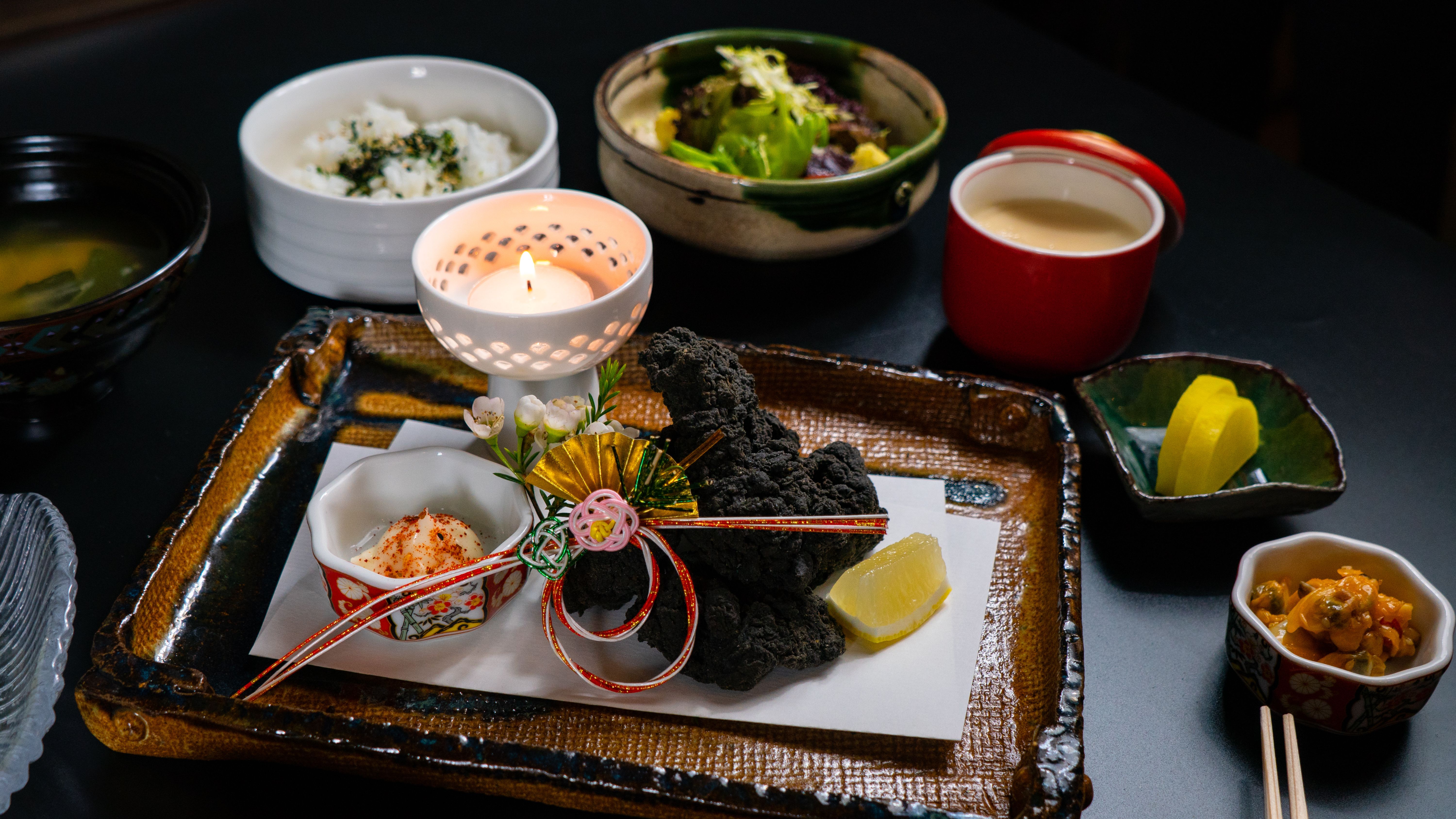
Best for: Couple
Tokyo, Hakone, Kyoto & Osaka at the highest level of comfort
Tokyo · Hakone · Kyoto · Osaka
From$3,800/person
View Itinerary ->Every detailed topic above, in one place
The essentials for a first visit to Japan.
Detailed guidance for travelers with mobility considerations.
Trains, subways, buses, taxis, and IC cards.
Daily cost breakdowns for every travel style, in USD.
Cash, cards, ATMs, and IC cards in one place.
What to bring for every season and travel style.
Coverage gaps to check before you buy a policy.
Entry requirements for international travelers.
Which season and month fits your trip.
Full spring, summer, autumn, and winter breakdowns.
Building your route next? Compare Japan's seasons side by side before locking in specific travel dates.
Compare Japan's Seasons →The last things to confirm before you head to the airport
Browse itineraries you can slow down to match your own pace.
Browse Itineraries →