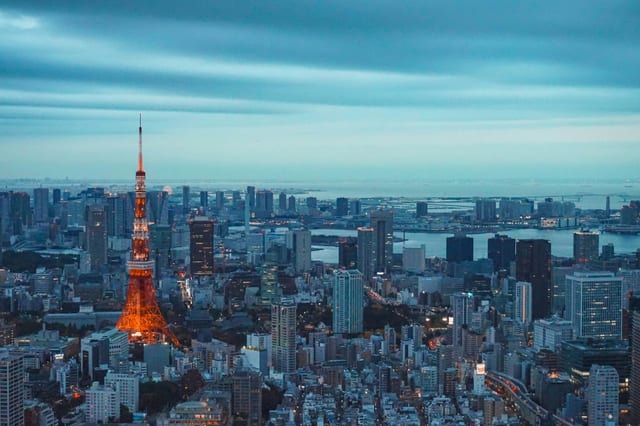
Tokyo Tower rising at the end of a busy city avenue lined with office buildings and hotels

Tokyo hotel area guide

Where to Stay in Tokyo: Best Areas for First-Time Visitors

Shinjuku, Shibuya, Ueno, Asakusa, Ginza, Tokyo Station, Ikebukuro and Shinagawa compared by who they suit, which trains they put on your doorstep, and what they cost you in time.

ExploreJapanDaily Editorial TeamEditorially reviewedUpdated 24 min read

Where should you stay in Tokyo?

There is no single best area. Tokyo is a city of rail hubs, and the right base is the one whose trains match your plans: where you land, which side of the city you will spend most time in, and where you go next. Stay close to a station on a line you will use every day, and the rest of the city gets easier.

⚡Quick Answer

Best area to stay in Tokyo for a first trip? Stay in Shinjuku, Shibuya or near Tokyo Station: all three sit on the JR Yamanote Line with direct Narita Express service. Choose Ueno or Asakusa for better value and an easier Narita arrival, Shinagawa for Haneda and the shinkansen, and Ginza for a polished, central base.

Find the area that fits your trip →

Tokyo neighborhoods compared at a glance

Eight areas with real differences for a first trip. Hotel positioning is a general guide, not a price: rates move with season, day of the week and how far ahead you book.

  • Shinjuku

    Best for: First-time visitors, day trips west, travelers who want food and nightlife on the doorstep

    Main advantages: Yamanote and Chuo lines, Narita Express, direct trains to Hakone, the city's main highway bus terminal

    Watch for: A vast, confusing station; crowds and late-night noise around Kabukicho

    Transport: Excellent

    Hotels: Wide range, from compact business hotels to high-rise luxury

  • Shibuya

    Best for: Couples and solo travelers who want shopping, cafes and nightlife, and easy trips to Harajuku

    Main advantages: Yamanote Line, Narita Express, Ginza Line straight to Ginza, Ueno and Asakusa

    Watch for: Station-area congestion, ongoing redevelopment, hills, fewer value options

    Transport: Excellent

    Hotels: Mostly mid-range to upscale, with stylish newer hotels

  • Ueno

    Best for: Value-minded travelers, museum lovers, families and anyone landing at Narita

    Main advantages: Keisei Skyliner from Narita, Yamanote Line, Ginza Line to Asakusa and Ginza, northbound shinkansen

    Watch for: Farther from Shibuya and Shinjuku; the streets right around the station are busy and workaday

    Transport: Very good

    Hotels: Strong in value and mid-range

  • Asakusa

    Best for: Couples and travelers who want traditional atmosphere, quieter evenings and good value

    Main advantages: Senso-ji on the doorstep, direct trains from both airports, Ginza Line to Shibuya, trains to Nikko

    Watch for: Not on the Yamanote Line; longer trips to Shinjuku and the west side

    Transport: Good

    Hotels: Value to mid-range, with guesthouses and traditional-style stays

  • Ginza

    Best for: Couples, luxury travelers and food lovers who want a central, calm, upscale base

    Main advantages: Three subway lines at Ginza Station, short hop to Tokyo Station, walk to Tsukiji

    Watch for: Higher rates; quieter nightlife; not directly on the Yamanote Line

    Transport: Very good

    Hotels: Mid-range to luxury

  • Tokyo Station and Marunouchi

    Best for: Travelers continuing by shinkansen, multi-day-trip planners and premium hotel seekers

    Main advantages: Every shinkansen line from Tokyo, Narita Express, highway and airport buses, Yamanote Line

    Watch for: Business district that is quiet at night and on weekends; a huge station

    Transport: Excellent

    Hotels: Upscale and luxury, with business hotels on the Yaesu and Nihonbashi side

  • Ikebukuro

    Best for: Value-focused travelers, families, anime and shopping fans, trips to Kawagoe and Chichibu

    Main advantages: Yamanote Line, three subway lines, Seibu and Tobu lines northwest, Sunshine City

    Watch for: Farther from eastern and southern sights; less classic sightseeing nearby

    Transport: Very good

    Hotels: Value to mid-range

  • Shinagawa

    Best for: Travelers flying from Haneda, early shinkansen departures, Yokohama or Kamakura trips

    Main advantages: Keikyu to Haneda, Tokaido Shinkansen including Nozomi, Narita Express, Yamanote Line

    Watch for: Few major sights within walking distance; business-oriented

    Transport: Excellent

    Hotels: Large mid-range and upscale hotels near the station

How far is each area from Shinjuku and Tokyo Station?

Shinjuku and Tokyo Station are the two hubs most visitors pass through again and again. These are train times only; add walking time inside the station and to your hotel.

Train time from Shinjuku and Tokyo Station to each area
Stay inTrain from ShinjukuTrain from Tokyo Station
ShinjukuYou are here14 min (JR Chuo Line Rapid)
Shibuya7 min (JR Yamanote Line)23 min (JR Yamanote Line)
Ueno24 min (JR Yamanote Line)8 min (JR Yamanote Line)
Asakusa35 min (JR Chuo Line, then Ginza Line from Kanda)20 min (JR Yamanote Line, then Ginza Line from Kanda)
Ginza16 min (Tokyo Metro Marunouchi Line)3 min (Tokyo Metro Marunouchi Line)
Tokyo Station and Marunouchi14 min (JR Chuo Line Rapid)You are here
Ikebukuro8 min (JR Yamanote Line)17 min (Tokyo Metro Marunouchi Line)
ShinagawaAbout 19 min (JR Yamanote Line)About 13 min (JR Yamanote Line)

Times as listed by GO TOKYO, Tokyo's official tourism site, on each area page. Sources include Shinjuku area guide and access (opens in a new tab), Ueno area guide and access (opens in a new tab), Shibuya area guide and access (opens in a new tab)

Find the right Tokyo area for your trip

Pick what matters most. The finder sorts the eight areas by fit and tells you why, so you can see the trade-off rather than a score.

What matters most on this trip?

Choose up to three. Areas re-order by fit, with the reason for each.

  1. Shinjuku

    Wide range, from compact business hotels to high-rise luxury

    The everything hub: most trains, most hotels, most noise.

  2. Shibuya

    Mostly mid-range to upscale, with stylish newer hotels

    Big-city energy, great shopping, steep streets and crowds.

  3. Ueno

    Strong in value and mid-range

    Museums, a big park and the fastest train from Narita.

  4. Asakusa

    Value to mid-range, with guesthouses and traditional-style stays

    Temple-town atmosphere and quieter nights, off the Yamanote Line.

  5. Ginza

    Mid-range to luxury

    Central, polished and walkable, with subways in every direction.

  6. Tokyo Station and Marunouchi

    Upscale and luxury, with business hotels on the Yaesu and Nihonbashi side

    The rail gateway: shinkansen, Narita Express and airport buses.

  7. Ikebukuro

    Value to mid-range

    A big, practical northwest hub with good value and family attractions.

  8. Shinagawa

    Large mid-range and upscale hotels near the station

    The Haneda and shinkansen shortcut, with few sights on foot.

The best areas to stay in Tokyo, in detail

Each guide covers who the area suits, where in it to book, the trains on your doorstep, and the honest downside.

The red lit gate of Kabukicho Ichibangai in Shinjuku at night, with neon signs for karaoke and restaurants beyond

Shinjuku

The everything hub: most trains, most hotels, most noise.

Hotel positioning
Wide range, from compact business hotels to high-rise luxury
From Shinjuku
You are here
From Tokyo Station
14 min (JR Chuo Line Rapid)

Our verdict: The safest default for a first trip if you choose the micro-area carefully: West Shinjuku or the Gyoen side for sleep, the east side for nightlife.

Stay here if

  • First-time visitors who want the widest choice of trains, restaurants and hotels in one place
  • Travelers planning day trips to Hakone, Mount Fuji or the Japan Alps
  • Night owls who want bars and late dinners within walking distance

Consider somewhere else if

  • Light sleepers who end up in a hotel on a bar street
  • Travelers with big suitcases who would have to cross the station to reach the hotel
  • Anyone leaving early for Kyoto by shinkansen, which does not stop here

Character

Shinjuku is several neighborhoods sharing one enormous station. The west side is a business district of office towers, the Tokyo Metropolitan Government Building and large hotels. The east side is department stores, restaurants and, to the northeast, Kabukicho, Tokyo's best-known nightlife district. To the southeast the city opens up into Shinjuku Gyoen National Garden.

Where in Shinjuku to look

  • West Shinjuku (Nishi-Shinjuku)

    Skyscraper district with many large and high-rise hotels. Quieter after office hours. The walk from the station can be long, partly through underground passages, so check the exact route.

  • South side, near Busta Shinjuku

    Close to the Shinjuku Expressway Bus Terminal and the south and New South exits. Practical if you are taking highway buses to Mount Fuji or the Alps.

  • Shinjuku-sanchome and the Shinjuku Gyoen side

    East of the station toward the garden, served by its own subway station. Restaurants nearby without the full Kabukicho crowd. A good compromise for couples.

  • Kabukicho and its edges

    The heart of the nightlife. Convenient for late nights, but expect noise, touts and crowds into the early hours. Most first-timers sleep better a few blocks away.

Trains on your doorstep

  • All JR lines at Shinjuku, including the Yamanote Line loop and the Chuo Line Rapid to Tokyo Station
  • Narita Express (some trains split, so confirm yours serves Shinjuku)
  • Odakyu Romancecar direct to Hakone-Yumoto; Keio Line west toward Mount Takao
  • Tokyo Metro Marunouchi and Toei Shinjuku and Oedo subway lines
  • Busta Shinjuku highway buses to Mount Fuji, Matsumoto, Takayama and beyond
Sightseeing on foot
Shinjuku Gyoen, Omoide Yokocho, Golden Gai and the free observation decks at the Tokyo Metropolitan Government Building are walkable. Shibuya is 7 minutes away on the Yamanote Line, with Harajuku and Meiji Shrine in between.
Dining and evenings
The widest choice of food and drink in Tokyo at every budget, from yakitori alleys to tower-top bars. Busy until late every night.
Noise and crowds
Kabukicho and the streets around the east exit are loud late into the night. West Shinjuku and the Gyoen side are calmer. Ask for a higher floor away from the street if noise matters.
With kids
Workable if the hotel is in West Shinjuku or near Shinjuku Gyoen. The station crowds and the size of the station are the main strain with small children and strollers.
Luggage and walking
The station is a maze with many separate stations and exits under one name. A hotel that looks close on a map can be a 15-minute walk from your platform. Match the hotel to the exit your train actually uses.
The trade-off
You pay for convenience with crowds and wayfinding. Rates span the full range, so the same budget can mean a cramped room near Kabukicho or a calmer one a little farther out.

Nearby guides

Back to the area comparison

Crowds crossing the Shibuya Scramble Crossing at night beneath illuminated billboards

Shibuya

Big-city energy, great shopping, steep streets and crowds.

Hotel positioning
Mostly mid-range to upscale, with stylish newer hotels
From Shinjuku
7 min (JR Yamanote Line)
From Tokyo Station
23 min (JR Yamanote Line)

Our verdict: Choose Shibuya for atmosphere and the west side of the city. If you want the same lines with fewer crowds, look one stop away at Ebisu.

Stay here if

  • Travelers who want to step out into the city's busiest shopping and nightlife streets
  • Visitors focused on Harajuku, Omotesando, Meiji Shrine and Yoyogi Park
  • First-timers who are comfortable with crowds

Consider somewhere else if

  • Families with strollers, who will meet slopes and dense crowds
  • Budget travelers, since value options are thinner than in Ueno or Ikebukuro
  • Anyone who wants a quiet evening walk back to the hotel

Character

Shibuya is the Tokyo of the scramble crossing: department stores, fashion, music and late-night streets packed around one station. Shibuya sits low, and the streets climb in several directions, so many hotels are uphill from the station. Large redevelopment projects around the station keep changing walkways and exits.

Where in Shibuya to look

  • Station-front and Shibuya Stream side

    Newer high-rise hotels connected to or very close to the station. The most convenient and usually the most expensive.

  • Dogenzaka

    A busy slope west of the crossing, dense with bars and clubs. Lively and noisy at night.

  • Sakuragaoka and the south side

    Uphill and calmer, still a short walk from the station.

  • Toward Jinnan, Harajuku and Omotesando

    Quieter streets with cafes and boutiques; better if your days center on Harajuku and Meiji Shrine.

Trains on your doorstep

  • JR Yamanote Line, plus the Saikyo and Shonan-Shinjuku lines
  • Narita Express (confirm your train serves Shibuya)
  • Tokyo Metro Ginza Line (direct to Ginza, Ueno and Asakusa), Hanzomon and Fukutoshin lines
  • Tokyu Toyoko and Den-en-toshi lines, Keio Inokashira Line
Sightseeing on foot
Shibuya Crossing, the Hachiko statue and Shibuya Sky are on the doorstep. Harajuku, Meiji Shrine, Yoyogi Park and Omotesando are one stop or a walk away.
Dining and evenings
Very lively, with a younger crowd than Ginza. Plenty of izakaya, bars and clubs.
Noise and crowds
The streets around the crossing and Dogenzaka are loud until late. Uphill and south-side streets are noticeably calmer.
With kids
Possible, but the crowds and slopes make it one of the harder bases with small children.
Luggage and walking
Redevelopment means routes and exits change. Check a recent walking route, and expect slopes once you leave the station.
The trade-off
Excellent location for the west side of Tokyo, but you trade value and calm for it.

Nearby guides

Back to the area comparison

A JR commuter train running on the elevated tracks beside Ueno shopping streets

Ueno

Museums, a big park and the fastest train from Narita.

Hotel positioning
Strong in value and mid-range
From Shinjuku
24 min (JR Yamanote Line)
From Tokyo Station
8 min (JR Yamanote Line)

Our verdict: The best value-for-convenience base on the east side, and the easiest first night after landing at Narita.

Stay here if

  • Travelers arriving at Narita who want a fast, direct train
  • Museum and park lovers, and families who want space to walk
  • Budget travelers who still want a central, well-connected base

Consider somewhere else if

  • Travelers who plan most evenings in Shibuya or Shinjuku
  • Anyone after polished, upscale surroundings

Character

Ueno is old downtown Tokyo with a large park at its center. Ueno Park holds the Tokyo National Museum, the National Museum of Nature and Science and Ueno Zoo. South of the station, the Ameyoko market street runs along the tracks toward Okachimachi, busy with food stalls and shops.

Where in Ueno to look

  • Around JR Ueno Station and Ueno Park

    Closest to the museums and the Yamanote Line. Check whether the hotel is near the park exit or the busier south side.

  • Okachimachi and Ueno-Okachimachi

    One Yamanote stop south, beside Ameyoko. Lively by day, with many mid-range business hotels.

  • Inaricho and the Asakusa side

    One Ginza Line stop toward Asakusa. Quieter streets between Ueno and Asakusa.

  • Near Keisei Ueno Station

    The Skyliner terminal. Ideal on a Narita arrival or departure, but note that it is a separate station from JR Ueno.

Trains on your doorstep

  • JR Yamanote Line and other JR lines; many northbound JR East shinkansen trains also stop at Ueno (check yours)
  • Keisei Skyliner to Narita from Keisei Ueno, a separate station across the street from JR Ueno
  • Tokyo Metro Ginza Line (to Asakusa, Ginza and Shibuya) and Hibiya Line
Sightseeing on foot
Ueno Park and its museums, Ameyoko, and the old lanes of Yanaka and Nezu are walkable. Asakusa is a short Ginza Line ride, and Akihabara is two Yamanote stops south.
Dining and evenings
Casual izakaya and standing bars around Ameyoko and under the tracks. Lively but less intense than Shinjuku.
Noise and crowds
The market streets and the area around the station are busy into the evening. Hotels on the park side are calmer.
With kids
One of the best bases with children: the zoo, a science museum and open park space are all close.
Luggage and walking
Keisei Ueno and JR Ueno are separate stations, and JR Ueno has several levels and exits. Pick a hotel on the side you will arrive at.
The trade-off
Good value and an easy Narita arrival in exchange for longer rides to the west side of Tokyo.

Nearby guides

Back to the area comparison

A visitor in a kimono overlooking the busy grounds of Senso-ji Temple in Asakusa

Asakusa

Temple-town atmosphere and quieter nights, off the Yamanote Line.

Hotel positioning
Value to mid-range, with guesthouses and traditional-style stays
From Shinjuku
35 min (JR Chuo Line, then Ginza Line from Kanda)
From Tokyo Station
20 min (JR Yamanote Line, then Ginza Line from Kanda)

Our verdict: A rewarding base if traditional Tokyo and calm evenings matter more than speed. Pair it with a western base on a longer trip.

Stay here if

  • Travelers who want to walk to Senso-ji early, before the crowds
  • Couples and families who prefer calmer evenings
  • Visitors planning a day trip to Nikko

Consider somewhere else if

  • Travelers whose plans center on Shinjuku, Shibuya or western Tokyo
  • Nightlife-first travelers
  • Anyone who wants to reach many places without changing trains

Character

Asakusa grew up around Senso-ji, Tokyo's oldest temple. Nakamise shopping street, small restaurants and craft shops fill the streets around it, and Tokyo Skytree stands across the Sumida River. Daytime crowds are heavy at the temple, but the area settles down at night.

Where in Asakusa to look

  • Around Senso-ji and Kaminarimon

    Steps from the temple and Nakamise. Best for early-morning visits; busy in the daytime.

  • Near Asakusa Station on the Sumida River side

    Closest to the subway, the Tobu terminal for Nikko and the river. The most practical spot for luggage.

  • Kuramae and Tawaramachi

    South and west of the temple, quieter streets with cafes and Kappabashi kitchen street.

Trains on your doorstep

  • Tokyo Metro Ginza Line (terminus): direct to Ueno, Ginza and Shibuya without changing
  • Toei Asakusa Line, with through trains from Narita (Keisei Access Express) and, on some trains, from Haneda (Keikyu)
  • Tobu Skytree Line, including the SPACIA X limited express to Nikko
Sightseeing on foot
Senso-ji, Nakamise, Kappabashi kitchen street, Sumida Park and river cruises are walkable. Tokyo Skytree is a short walk or one stop across the river, and Ueno is three Ginza Line stops away.
Dining and evenings
Quieter than the western hubs. Plenty of casual restaurants, but fewer late-night options.
Noise and crowds
Generally calm at night. Streets right by the temple are busy by day.
With kids
Good for families who value calm evenings and short walks to sights; expect longer rides to Shibuya and Shinjuku.
Luggage and walking
Asakusa Station exits are scattered across several blocks and lines. A direct airport train is easy, but check that your hotel is near the exit for that line.
The trade-off
Atmosphere and value in exchange for more train changes and longer journeys west.

Nearby guides

Back to the area comparison

The Ginza 4-chome crossing at night, with the illuminated Ricoh tower and the Wako clock tower

Ginza

Central, polished and walkable, with subways in every direction.

Hotel positioning
Mid-range to luxury
From Shinjuku
16 min (Tokyo Metro Marunouchi Line)
From Tokyo Station
3 min (Tokyo Metro Marunouchi Line)

Our verdict: Worth it if a calm, central and polished base is a priority and the budget allows. Not the place to save money.

Stay here if

  • Travelers who want a central, elegant base with excellent restaurants
  • Couples and luxury travelers
  • Anyone leaving by shinkansen who wants Tokyo Station close but a less business-like neighborhood

Consider somewhere else if

  • Budget travelers
  • Travelers who want late-night streets outside the hotel door

Character

Ginza is Tokyo's classic shopping district: flagship stores, historic department stores, the Kabukiza theater and some of the city's most respected restaurants. It feels orderly and walkable, and it sits between Tokyo Station, Tsukiji and Shimbashi.

Where in Ginza to look

  • Central Ginza (around Chuo-dori)

    Flagship stores and Ginza Station on three lines. The most convenient and most expensive.

  • Higashi-Ginza and toward Tsukiji

    Near Kabukiza and the Tsukiji Outer Market, on the Toei Asakusa Line that some airport trains run through on.

  • Yurakucho and Shimbashi edges

    Close to JR Yamanote Line stations, with livelier, more casual evenings under the tracks.

Trains on your doorstep

  • Tokyo Metro Ginza, Marunouchi and Hibiya lines at Ginza Station; Yurakucho Line at Ginza-itchome
  • Toei Asakusa Line and Hibiya Line at Higashi-Ginza
  • JR Yamanote Line at nearby Yurakucho and Shimbashi stations
Sightseeing on foot
Kabukiza, the Tsukiji Outer Market and Hamarikyu Gardens are walkable. The Imperial Palace and Tokyo Station are a short walk or ride away.
Dining and evenings
Refined dining and quiet bars. For livelier izakaya, walk to Yurakucho or Shimbashi.
Noise and crowds
Generally calm at night compared with Shinjuku and Shibuya.
With kids
Comfortable and orderly, but rates are high for family-size rooms.
Luggage and walking
Several stations are within a few blocks, so pick the hotel by the line you will use most, not by the district name.
The trade-off
Central and calm, but you pay for the address.

Nearby guides

Back to the area comparison

The red brick Marunouchi building of Tokyo Station in front of the Marunouchi office towers

Tokyo Station and Marunouchi

The rail gateway: shinkansen, Narita Express and airport buses.

Hotel positioning
Upscale and luxury, with business hotels on the Yaesu and Nihonbashi side
From Shinjuku
14 min (JR Chuo Line Rapid)
From Tokyo Station
You are here

Our verdict: The best base for travelers who are about to ride a shinkansen, and a strong premium choice for short stays.

Stay here if

  • Travelers leaving for Kyoto, Osaka, Kanazawa or northern Japan by shinkansen
  • Visitors who want to catch an early train with minimal stress
  • Luxury travelers, since several top hotels sit around the station

Consider somewhere else if

  • Travelers who want lively streets and nightlife outside the door
  • Budget travelers looking for the best value

Character

Tokyo Station is the city's main long-distance rail terminal. The red-brick Marunouchi side faces the office towers and the Imperial Palace. The Yaesu side faces Nihonbashi and Kyobashi, with the Tokaido Shinkansen gates and the Bus Terminal Tokyo Yaesu. Shops and restaurants fill the station and nearby towers, but the district empties out late in the evening.

Where in Tokyo Station and Marunouchi to look

  • Marunouchi side

    Faces the historic station building, the palace and office towers. Premium hotels and calm streets.

  • Yaesu side

    Closest to the Tokaido Shinkansen gates and the bus terminal. The practical choice for early departures.

  • Nihonbashi and Kyobashi

    A short walk east, with a mix of business hotels and upscale options and more neighborhood restaurants.

Trains on your doorstep

  • Tokaido Shinkansen (Nozomi, Hikari, Kodama) to Kyoto and Osaka, and JR East shinkansen lines north
  • Narita Express
  • JR Yamanote, Chuo and other JR lines; Tokyo Metro Marunouchi Line
  • Highway and airport buses from the Yaesu side, including Bus Terminal Tokyo Yaesu
Sightseeing on foot
The Imperial Palace grounds and the restored station building are next door, Ginza is a short walk, and Tokyo Station Character Street is inside the station.
Dining and evenings
Good restaurants in the station and towers, but the streets are quiet after the office crowd leaves, especially on weekends.
Noise and crowds
Among the calmest central areas at night.
With kids
Good for families with a lot of rail travel; evenings are quiet and the station has plenty of food.
Luggage and walking
The station is very large, and the Marunouchi and Yaesu sides are a long walk apart inside. Choose the side that matches your train or bus.
The trade-off
Unbeatable for onward travel, but quiet and pricier, with less neighborhood character.

Nearby guides

Back to the area comparison

A restaurant-lined side street in Ikebukuro with ramen shop signs and office workers walking

Ikebukuro

A big, practical northwest hub with good value and family attractions.

Hotel positioning
Value to mid-range
From Shinjuku
8 min (JR Yamanote Line)
From Tokyo Station
17 min (Tokyo Metro Marunouchi Line)

Our verdict: An underrated value base, especially for families and northwest day trips. Less ideal if your sightseeing is mostly in eastern Tokyo.

Stay here if

  • Budget-minded travelers who still want a big station and plenty of food
  • Families drawn to Sunshine City and its aquarium
  • Travelers planning day trips to Kawagoe or Chichibu

Consider somewhere else if

  • Travelers focused on Asakusa, Ginza and the Tokyo Bay area
  • Anyone landing at Haneda who wants a short airport transfer

Character

Ikebukuro is one of Tokyo's busiest transport hubs, flanked by two huge department stores. To the east, Sunshine City combines an aquarium, observation deck, shops and restaurants, and nearby streets are known for anime and manga shopping. It feels local and practical rather than glamorous.

Where in Ikebukuro to look

  • East side (toward Sunshine City)

    Shopping streets, Sunshine City and the anime district. Most hotels for visitors are here.

  • West side

    Near Tokyo Metropolitan Theatre and Ikebukuro West Gate Park, with some busier nightlife streets.

Trains on your doorstep

  • JR Yamanote, Saikyo and Shonan-Shinjuku lines
  • Tokyo Metro Marunouchi, Yurakucho and Fukutoshin lines
  • Seibu Ikebukuro Line, including the Laview limited express to Chichibu
  • Tobu Tojo Line to Kawagoe
Sightseeing on foot
Sunshine City and Sunshine Aquarium are walkable. Shinjuku is 8 minutes away, but Asakusa, Ginza and Odaiba take longer.
Dining and evenings
Plenty of casual dining and bars, especially around the station.
Noise and crowds
Busy around the station and some west-side streets; quieter a few blocks out.
With kids
A good, practical family base, with an aquarium and indoor attractions close by.
Luggage and walking
Another large station with many exits. Airport transfers usually involve a change of train.
The trade-off
Value and convenience on the northwest side in exchange for longer trips east and to the airports.

Nearby guides

Back to the area comparison

Ticket machines and the fare map at the Keikyu Shinagawa Station entrance

Shinagawa

The Haneda and shinkansen shortcut, with few sights on foot.

Hotel positioning
Large mid-range and upscale hotels near the station
From Shinjuku
About 19 min (JR Yamanote Line)
From Tokyo Station
About 13 min (JR Yamanote Line)

Our verdict: A smart first or last night around a Haneda flight or a morning shinkansen, rather than a base for a whole first trip.

Stay here if

  • Travelers arriving or departing at Haneda
  • Anyone catching an early Tokaido Shinkansen toward Kyoto or Osaka
  • Visitors combining Tokyo with Yokohama

Consider somewhere else if

  • Travelers who want to walk out of the hotel into a sightseeing district
  • Nightlife seekers

Character

Shinagawa is a major rail hub on Tokyo's south side. The station serves the Tokaido Shinkansen, four JR lines including the Yamanote Line, and the Keikyu line to Haneda Airport. Large hotels sit on the west side; office towers dominate the east.

Where in Shinagawa to look

  • West side (Takanawa)

    Large hotels a short walk from the station.

  • East side (Konan)

    Office towers and business hotels, connected to the station by a long concourse.

Trains on your doorstep

  • Keikyu Line to Haneda Airport (about 13-17 min)
  • Tokaido Shinkansen, including Nozomi to Kyoto and Osaka
  • Narita Express and JR Yamanote Line
Sightseeing on foot
Few headline sights on foot. Shibuya, Tokyo Station and Ginza are short rides, and Yokohama is close by train.
Dining and evenings
Station-area restaurants and hotel dining; quiet otherwise.
Noise and crowds
Quiet at night.
With kids
Convenient for families flying from Haneda or riding the shinkansen early.
Luggage and walking
One of the easiest areas for airport and shinkansen days, as long as the hotel is on the side of the station you need.
The trade-off
Transport over atmosphere.

Nearby guides

Back to the area comparison

Also worth considering

  • Akihabara

    Electronics, anime and arcades, on the JR Yamanote, Keihin-Tohoku and Sobu lines, the Hibiya Line and the Tsukuba Express. Four minutes from Tokyo Station and close to Ueno. Good value for pop-culture fans; quiet after the shops close.

    Akihabara guide
  • Ebisu

    One Yamanote stop from Shibuya, with the same easy west-side access but calmer streets and a strong restaurant scene. A good choice for couples who find Shibuya too intense.

  • Roppongi

    Art museums, Roppongi Hills and Tokyo Midtown by day, international nightlife by night. On the Hibiya and Oedo subway lines but not the Yamanote Line, so most trips need a subway ride or a change.

    Roppongi Hills guide

Lines and times from Akihabara area guide and access (opens in a new tab), Ebisu area guide and access (opens in a new tab), Roppongi area guide and access (opens in a new tab)

Shinjuku vs Shibuya, Ueno vs Asakusa and other head-to-heads

The comparisons travelers ask about most. Each ends with a decision rule rather than a winner, because the right answer depends on the trip.

Shinjuku vs Shibuya

Both are big, lively Yamanote Line hubs on the west side, 7 minutes apart. The difference is in what is outside the door.

Choose Shinjuku if

  • You want the most train lines and day trips to Hakone, Mount Fuji or the Alps
  • You want a wide range of hotel rates
  • You like the option of a quiet business-district hotel (West Shinjuku)

Choose Shibuya if

  • Your days center on Harajuku, Omotesando and Meiji Shrine
  • You want shopping and cafe streets more than skyscrapers
  • You like the Ginza Line running straight to Ginza, Ueno and Asakusa

Decision rule: First trip with day trips planned: Shinjuku. Shopping and atmosphere on a shorter stay: Shibuya, or Ebisu next door for calmer nights.

Ueno vs Asakusa

Neighbors on the east side, three Ginza Line stops apart, and both good value. Ueno is the better transport hub; Asakusa has more atmosphere.

Choose Ueno if

  • You land at Narita and want the Skyliner
  • You want the Yamanote Line and shinkansen access
  • You are traveling with kids who will love the zoo and museums

Choose Asakusa if

  • You want to walk to Senso-ji before the crowds
  • Quiet evenings matter more than speed
  • You plan a day trip to Nikko on the Tobu line

Decision rule: Practicality: Ueno. Atmosphere: Asakusa. Either way, spend at least one day on the west side of the city.

Ginza vs Tokyo Station

Three minutes apart and both upscale. Tokyo Station wins on trains; Ginza wins on neighborhood life.

Choose Ginza if

  • You want shopping and restaurants on your doorstep
  • You prefer a district that stays pleasant in the evening
  • You plan to walk to Tsukiji and Kabukiza

Choose Tokyo Station if

  • You are boarding a shinkansen early
  • You are arriving on the Narita Express or an airport bus
  • You want the shortest possible walk with luggage on travel days

Decision rule: Leaving by train in the morning: Tokyo Station (Yaesu side). Staying put for several nights: Ginza.

Shinjuku vs Ueno

Opposite sides of the Yamanote Line, 24 minutes apart. The choice comes down to which half of Tokyo you will spend more time in, and which airport you use.

Choose Shinjuku if

  • Most of your plans are on the west side: Shibuya, Harajuku, Shinjuku
  • You want late nights and endless restaurants
  • You are heading to Hakone or Mount Fuji

Choose Ueno if

  • You are landing at Narita
  • Your plans lean east: Asakusa, Akihabara, the museums
  • You want more space for the money

Decision rule: West-heavy plans or nightlife: Shinjuku. Narita, museums or value: Ueno.

Right by a major station vs a few stops away

Hotels attached to or beside a big station cost more and the station itself can be the hardest part of the walk. A hotel a few minutes from a smaller station on the same line can be easier and cheaper.

Choose Next to a major hub if

  • You have heavy luggage on arrival or departure days
  • You arrive late at night or leave early
  • You want the most direct trains without changing

Choose A few stops away if

  • You want more space or a quieter street for the same budget
  • Your daily trips are on one line you can ride without changing
  • You are comfortable with one extra train change on travel days

Decision rule: Count the steps from the platform you will actually use, not from the station name. Five minutes from a small station beats fifteen through a giant one.

Where to stay in Tokyo by traveler type

Start from who is traveling and what the days look like. Every pick comes with the catch worth knowing.

  • First-time visitors

    Shinjuku, Shibuya or Tokyo Station

    The most direct trains across the city and from Narita.

    Caveat: In Shinjuku and Shibuya, pick a hotel away from the loudest streets.

  • Families with children

    Ueno, Tokyo Station or Asakusa

    Museums, a zoo, open space and calmer evenings.

    Caveat: Confirm how many people the room allows and the hotel's rule on children sharing beds before booking.

  • Couples

    Ginza, Asakusa, Ebisu or Shinjuku (Gyoen side)

    Good restaurants and evening walks without the loudest crowds.

    Caveat: Check the bed size; many Japanese rooms are smaller than US rooms.

  • Solo travelers

    Shinjuku, Ueno or Shibuya

    Plenty of counter-seat dining and compact rooms near stations.

    Caveat: A small single room is fine for sleeping but leaves little space for open suitcases.

  • Budget travelers

    Ueno, Asakusa or Ikebukuro

    Often better rates with good rail connections.

    Caveat: A cheaper hotel that adds a long ride every day can cost you time and fares.

  • Luxury travelers

    Tokyo Station (Marunouchi), Ginza or West Shinjuku

    The largest concentration of upscale hotels.

    Caveat: Business districts are quiet at night; Ginza has more evening life.

  • Nightlife-focused travelers

    Shinjuku or Shibuya

    The most bars, clubs and late-night food.

    Caveat: Sleep a few blocks from Kabukicho or Dogenzaka and ask for a high floor.

  • Travelers with large luggage

    Tokyo Station, Shinagawa or Ueno (Keisei side)

    Direct airport trains or buses and shinkansen in the same station.

    Caveat: Check the walking route from the exact exit, and consider sending bags ahead.

  • Visitors planning many day trips

    Shinjuku or Tokyo Station

    Shinjuku for Hakone, Mount Fuji and the Alps; Tokyo Station for shinkansen day trips.

    Caveat: Ueno works well for trips north; Asakusa for Nikko.

  • Visitors continuing to Kyoto or Osaka

    Tokyo Station or Shinagawa for the last night

    Nozomi trains board at both, so the travel morning is short.

    Caveat: With a large suitcase, reserve a seat with an oversized baggage area or send the bag ahead.

Narita, Haneda and the shinkansen: how your hotel area changes the journey

Airport trains serve specific stations, not the whole city, and the shinkansen to Kyoto and Osaka boards at only two Tokyo stations. Matching your hotel to these lines saves the hardest transfers, the ones with luggage.

Narita Airport (NRT)

  • Narita Express (JR East)

    Serves: Tokyo, Shinagawa, Shibuya and Shinjuku stations, plus Yokohama

    Ride time: About 55 min to Tokyo Station, 80 min to Shinjuku

    Hotel areas it suits: Tokyo Station, Ginza, Shinjuku, Shibuya, Shinagawa

    Good to know: All seats reserved. Some trains split en route, so check your car serves your station.

  • Keisei Skyliner

    Serves: Nippori and Keisei Ueno

    Ride time: About 36-44 min to Ueno

    Hotel areas it suits: Ueno, Yanaka, Asakusa (short taxi or subway)

    Good to know: Keisei Ueno is a separate station from JR Ueno.

  • Keisei Access Express

    Serves: Through trains onto the Toei Asakusa Line, including Asakusa and Nihonbashi

    Ride time: About 55 min to Asakusa

    Hotel areas it suits: Asakusa, Nihonbashi

    Good to know: Regular train, no reservation, tap an IC card.

Fares, timetables and step-by-step routes: Narita Airport to Tokyo guide.

Service patterns from Narita Airport: access by train, major stations for each line (opens in a new tab), N’EX (Narita Express) fares and tickets (opens in a new tab), Skyliner fares from major stations (opens in a new tab), Access Express fares from major stations (opens in a new tab)

Haneda Airport (HND)

  • Keikyu Line

    Serves: Shinagawa; some trains continue on the Toei Asakusa Line to Asakusa without a change

    Ride time: About 13-17 min to Shinagawa

    Hotel areas it suits: Shinagawa, Asakusa, Higashi-Ginza

    Good to know: Check the destination shown on the platform before boarding.

  • Tokyo Monorail

    Serves: Hamamatsucho, for the JR Yamanote Line

    Ride time: About 13-15 min to Hamamatsucho

    Hotel areas it suits: Tokyo Station, Ueno, Shinjuku, Shibuya (one change)

    Good to know: Covered by the nationwide JR Pass.

Fares, timetables and step-by-step routes: Haneda Airport to Tokyo guide.

Service patterns from Haneda Airport Access Guide: fare and time search (opens in a new tab), Tokyo Monorail ticket and fare information (opens in a new tab)

Do not confuse the lines. The JR Yamanote Line is the city loop. It is not an airport express and not a shinkansen. You ride it to reach the stations where those trains stop.

Onward trains and day trips by area

Riding to Kyoto or Osaka with a large suitcase? Bags over a set size need a seat with an oversized baggage area on the Tokaido Shinkansen, explained in our shinkansen guide. Day trips to Hakone, Nikko and Mount Fuji each start from a different hub.

How to choose a Tokyo hotel: the station test and booking checklist

The area is half the decision. The other half is the exact building: how you walk to it with bags, and what the room and rate really include.

The station-proximity test

Run these six checks on any hotel before booking. They take ten minutes with a map app and save hours on arrival day.

  1. Name the exact station and exit

    Look up which station and exit the hotel uses, not just the district. Shinjuku alone has several separately named stations, and big stations have dozens of exits.

  2. Time the walk from the platform

    Map the walk from the platform you will use to the hotel door. In a big station, the walk to the exit can take longer than the street walk.

  3. Check for stairs and elevators

    Some exits have only stairs. With luggage or a stroller, find the exit with an elevator or escalator and route from there.

  4. Look at the slope and the crossings

    Street View shows hills, footbridges and underpasses that a map line hides. Shibuya in particular is built on slopes.

  5. Count the changes to your top three places

    A hotel on the line you will use most often beats a slightly closer one that needs a change every day.

  6. Plan the arrival and departure days

    Check how you will get from the airport to the door and from the door to your shinkansen or airport train, with luggage, at that time of day.

Before you book: what to confirm

Location and access

  • The walking route from the station exit you will actually use
  • Station entrance distance vs platform distance in a large station
  • Elevator access at the station exit and inside the hotel
  • How late-night arrivals reach the hotel if trains have stopped

Room and beds

  • Room size in square meters (1 m² is about 10.8 sq ft)
  • Bed type and width; a Japanese "semi-double" is narrower than a US full
  • Maximum occupancy and the rule on children sharing a bed
  • Non-smoking room confirmed, not just requested
  • Twin vs double: two people may need a twin room for comfort

Price and policies

  • Whether the rate is per room or per person
  • Tokyo accommodation tax and any other charges collected at the hotel
  • Cancellation deadline and whether the rate is nonrefundable
  • Payment method, deposit or pre-authorization at check-in
  • Seasonal rate changes around cherry blossom season, Golden Week and holidays

Services

  • Check-in and check-out times, and luggage storage before and after
  • Coin laundry or laundry service for longer stays
  • Breakfast: included, optional, or better nearby
  • Accessibility features, confirmed directly with the hotel
  • Passport at check-in: hotels record and copy it for visitors without a Japanese address

Tokyo accommodation tax

Tokyo charges a per-person, per-night accommodation tax at hotels and ryokan when the rate is 10,000 yen or more per person: 100 yen below 15,000 yen and 200 yen at 15,000 yen or more. From April 1, 2027, it changes to 3% of the per-person nightly rate above 13,000 yen and extends to private lodging and simple lodging. Check whether a quoted price includes it.

Source: Tokyo accommodation tax (shukuhaku-zei) (opens in a new tab)

Room sizes, beds and occupancy

Many Tokyo hotel rooms are compact, and listings usually give the size in square meters. Compare that number rather than the room name. Japanese rates are sometimes quoted per person, and occupancy limits are strict, so book for the real number of guests, including children, and ask about bed-sharing rules.

Hotel or apartment-style stay?

  • Hotel

    Best for: Short stays, first trips, late arrivals

    Strengths: Staffed front desk, luggage storage, help with taxis and deliveries

    Watch for: Smaller rooms; family rooms are limited

  • Apartment-style stay

    Best for: Families and longer stays

    Strengths: More space, a kitchen, often a washer

    Watch for: Self check-in, no luggage desk, and some luggage services will not deliver without staff to receive

More on licensed rentals, ryokan and capsule hotels in our Japan accommodation guide, and on sending bags between hotels in luggage forwarding in Japan.

Passport registration rule: Registration procedure at lodging facilities in Japan (opens in a new tab)

How many nights, and should you split hotels?

One hotel is simpler. A split only earns its keep on longer stays or when the next leg of the trip starts from a different station.

  • 2 to 3 nights

    Stay in one hotel near a major Yamanote Line station. Moving hotels costs half a day you do not have.

  • 4 to 5 nights

    One base is still simplest. Pick the side of the city that matches most of your plans, and accept longer rides to the other side.

  • 6 nights or more

    A split can pay off: for example, east (Ueno or Asakusa) for a few nights and west (Shinjuku or Shibuya) for the rest. Send luggage between hotels if you can.

  • Tokyo plus Kyoto or Osaka

    Spend the last Tokyo night near Tokyo Station or Shinagawa if you are taking a morning shinkansen, especially with large bags.

  • Tokyo with day trips

    Base yourself at the station your day trips leave from: Shinjuku for Hakone and Mount Fuji, Tokyo Station for shinkansen day trips, Asakusa for Nikko.

Example trips: where each traveler should book

Illustrative scenarios, not hotel recommendations.

  • A first-time couple, five nights

    Stay on the Shinjuku Gyoen side or in West Shinjuku for all five nights.

    You get Yamanote Line access, an easy Narita Express ride and evenings out without sleeping beside Kabukicho.

  • A family of four landing at Narita

    Take the Skyliner to Ueno and stay near the park or Keisei Ueno.

    One direct train from the airport, then the zoo, the science museum and open space within walking distance.

  • A traveler leaving for Kyoto by shinkansen

    Move to the Yaesu side of Tokyo Station, or to Shinagawa, for the final night.

    The travel morning becomes a short walk to the Tokaido Shinkansen gates.

  • A budget traveler focused on museums and transport

    Stay in Ueno or Okachimachi.

    Value rates, the national museums on foot, the Yamanote Line and the Ginza Line to Asakusa and Shibuya.

  • Nightlife without sleeping on the busiest street

    Stay in Ebisu or the Shinjuku-sanchome side.

    Shibuya or Kabukicho are a short ride or walk away, but your street is quieter at 2 a.m.

  • A Haneda arrival with one night before Hakone

    Stay in Shinjuku near the Odakyu station.

    One change from Haneda on arrival, then the Romancecar to Hakone the next morning.

Building the days around your base? Tokyo in 4 Days is planned from a Shinjuku hotel, and getting around Tokyo covers IC cards and passes.

Common Tokyo hotel booking mistakes

Most bad Tokyo stays come from the same few decisions made from a map at home.

  • Booking by neighborhood name alone

    Instead: Check the exact address and nearest exit. A hotel listed as "Shinjuku" can be a long walk from where your train arrives.

  • Choosing a hotel far from a useful station

    Instead: Prioritize a short walk to a station on the line you will use most, over a slightly lower rate.

  • Assuming a station transfer is easy with luggage

    Instead: Big stations involve long corridors and stairs. Choose a hotel on a direct line from the airport, or send bags ahead.

  • Ignoring room size

    Instead: Compare square meters and bed widths. Two large suitcases may not both open in a small double room.

  • Booking a nonrefundable rate too early

    Instead: Keep a free-cancellation rate until your flights and route are fixed, then decide.

  • Overpaying for a station location you will not use

    Instead: Tokyo Station is ideal before a shinkansen, but not necessary for a city-only stay focused on Shibuya and Harajuku.

  • Picking a nightlife district without thinking about noise

    Instead: Stay a few blocks away from the main bar streets and ask for a higher floor.

  • Forgetting the per-person price and taxes

    Instead: Check whether the rate is per person or per room and whether accommodation tax is collected at the hotel.

💡Good to Know
  • •The JR Yamanote Line loops through Shinjuku, Shibuya, Ikebukuro, Ueno, Tokyo Station and Shinagawa; Asakusa, Ginza Station and Roppongi are not on it.
  • •Keisei Ueno, where the Skyliner arrives, is a separate station from JR Ueno.
  • •Tokyo charges an accommodation tax per person per night on hotel stays at or above 10,000 yen per person; from April 1, 2027 it becomes 3% of the per-person rate above 13,000 yen and also applies to private lodging.
  • •Visitors without an address in Japan must show their passport at check-in; the hotel records the number and keeps a copy.
🎯Don't Miss
  • •Check the exit, not just the station, before you book.
  • •Spend your last Tokyo night near Tokyo Station or Shinagawa if a morning shinkansen follows.
  • •On longer stays, split east and west only if you can send luggage between hotels.

Where to stay in Tokyo: questions answered

Tokyo itineraries to plan around your base

Tokyo skyline at dusk with Tokyo Tower illuminated
4 Days

Best for: First-Time

Tokyo in 4 Days: The Essential City Break

A focused, no-backtracking route through Tokyo's essential neighbourhoods

Tokyo

#Mid-Range

From$900/person

View Itinerary ->
Aerial night view of Tokyo, the starting point of a 10-day first-timer itinerary
10 Days

Best for: First-Time

Japan in 10 Days: The First-Timer Route

Tokyo, Kyoto, Nara, and Osaka, the complete introduction

Tokyo · Kyoto · Osaka

#Mid-Range

From$2,600/person

View Itinerary ->

References

View references

Bureau of Taxation, Tokyo Metropolitan Government

Picked your area? Plan the days next.

Browse day-by-day itineraries that start in Tokyo, with hotel areas already chosen.

Browse Itineraries →